Kuna: a money name with a possible link to fur


Титульна AI-згенерована ілюстрація / AI-generated cover illustration. Symbolic medieval merchant still life of folded brown fur and a coin pouch; not a documented payment, specimen or exact coin type.
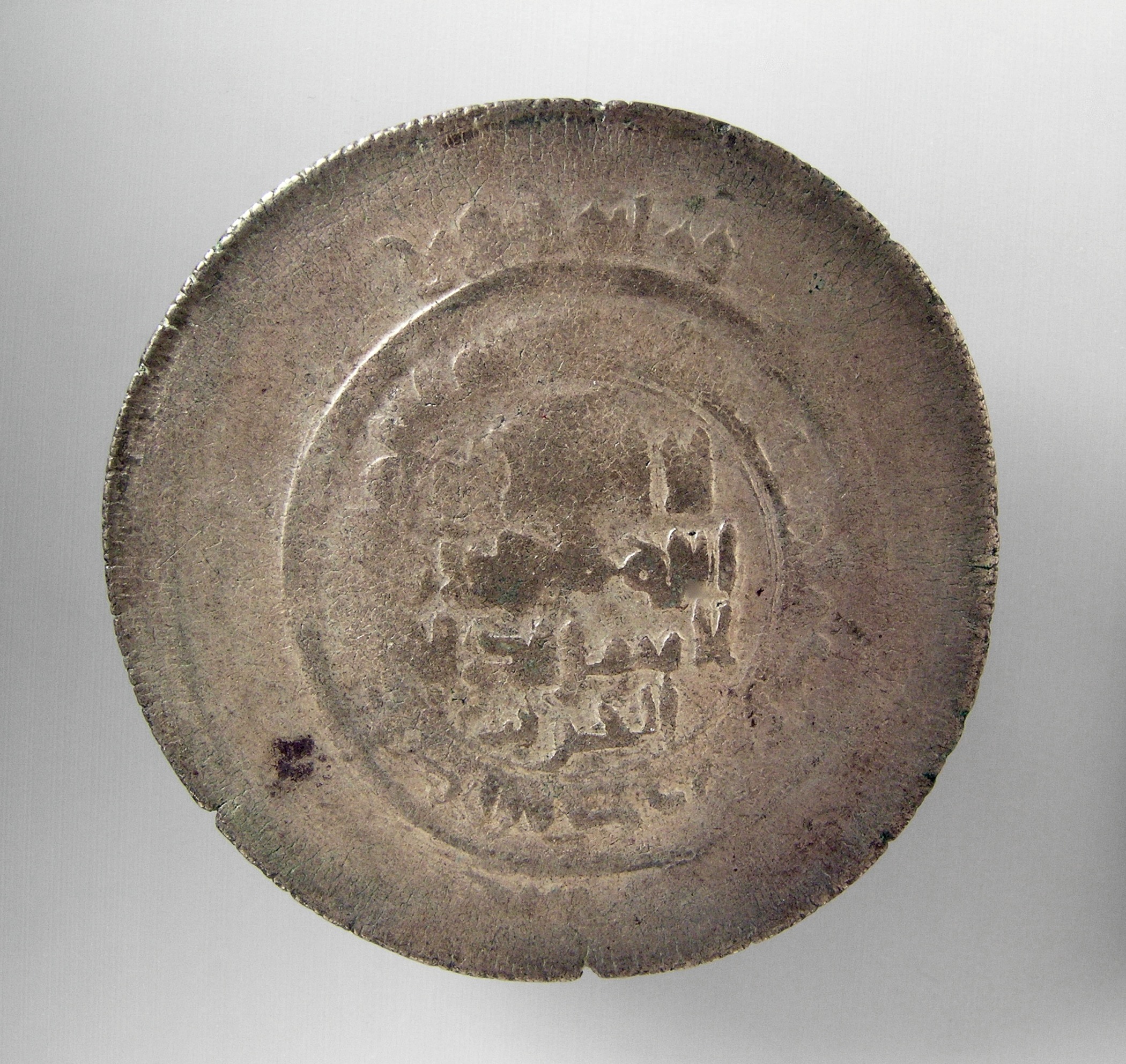
In Kyivan Rus, the kuna was a monetary unit, while the plural word kuny could also mean money in general. The name is often linked to a marten pelt that could serve as a substitute for money. However, this explanation is not conclusively established: the Encyclopedia of the History of Ukraine presents the fur connection as possible and mentions another etymology.
A kuna should therefore not be imagined simply as fur that later became a coin. In different centuries, the name also referred to silver coins circulating in Rus. The word preserves a possible trace of early exchange, but its name alone does not prove that every payment involved pelts.