A little wonder, every day
Banknotes made from polymer
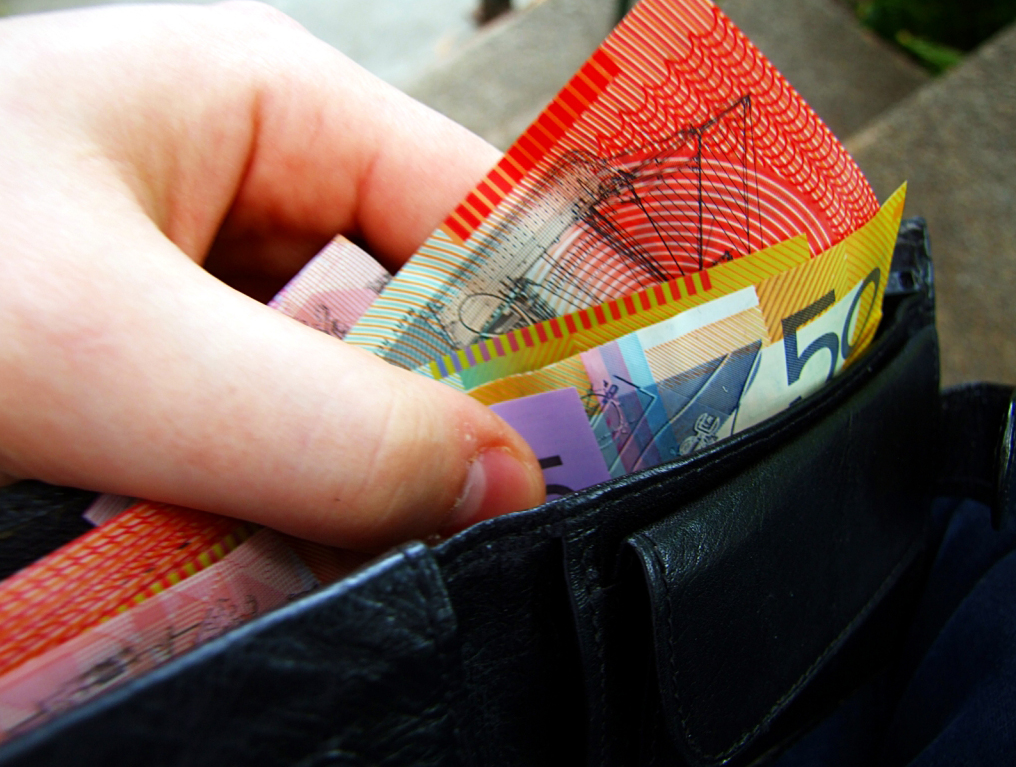
Australian polymer banknotes in a wallet.
The word paper does not always accurately describe banknotes: some are made on a thin polymer substrate. Australia was the first country to issue a complete series of these notes, finishing its introduction in 1996. Polymer was chosen primarily to improve protection against counterfeiting, with durability as an additional benefit.
Malaysia also uses polymer for particular denominations, including one- and five-ringgit notes in its fourth series. This does not mean that all the country’s notes are plastic. A polymer note absorbs less water and dirt, but it can still be damaged: a durable material does not make money indestructible. [2, 3]