WattSearch
Your WattLeaderboard
Language
Autoplay narration
Appearance

Feedback

Have a question or an idea? Something not working? Send us a message.

What would you like to share?
Up to 3 files, 5 MB each, 12 MB total.
Or contact us directly

Direct contacts open a separate chat or email. Files attached here are not included.

arohalya@gmail.com
A little wonder, every day

Black Holes, Accretion Disks, and Quasars
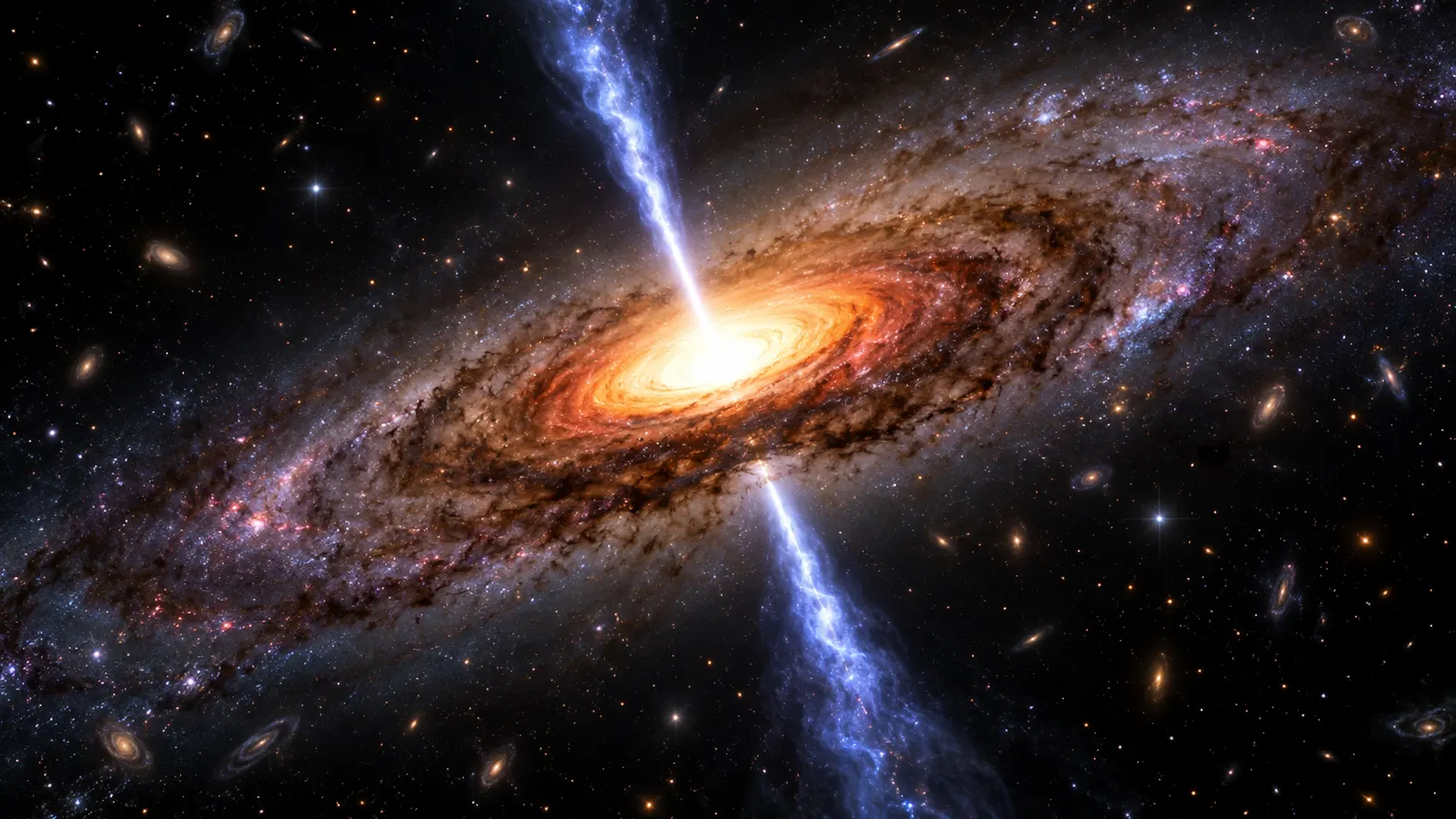
Реалістична синтетична обкладинка; промпт і provenance наведені вище.
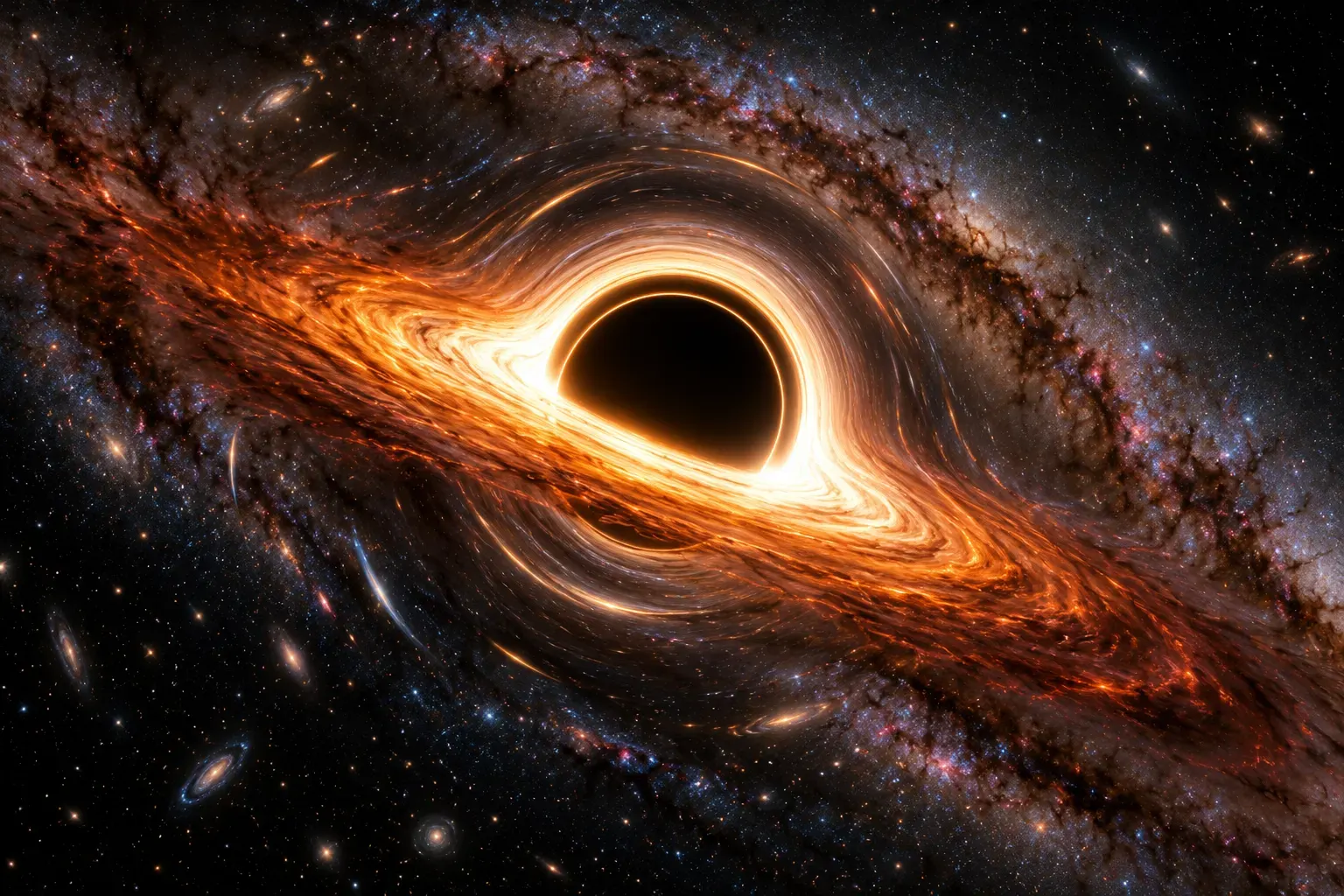
оригінальна AI-ілюстрація акреційного диска; це не спостережне зображення й не масштабна модель.
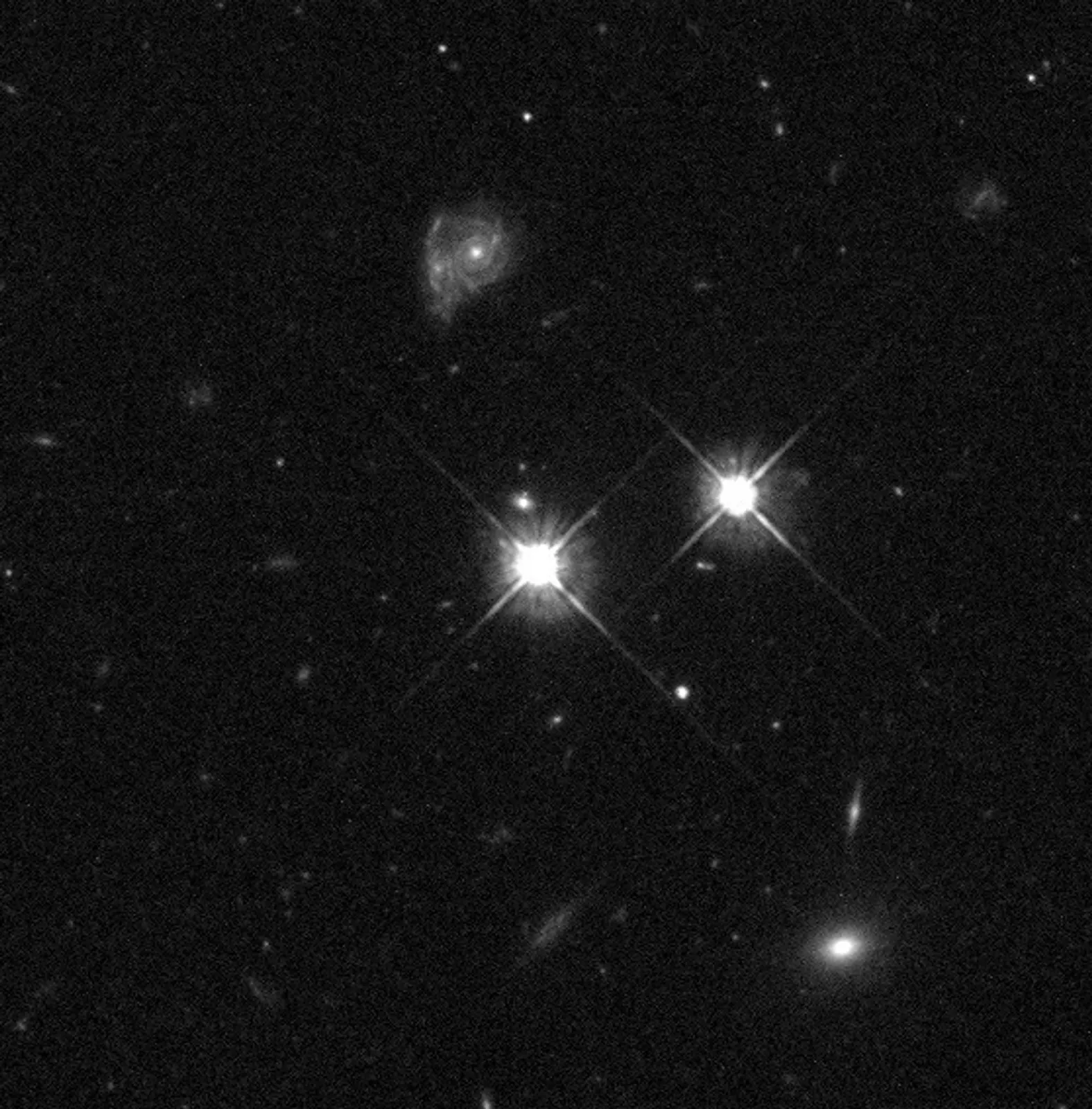
чорно-білий кадр Hubble із яскравим далеким квазаром та об'єктами на передньому плані.
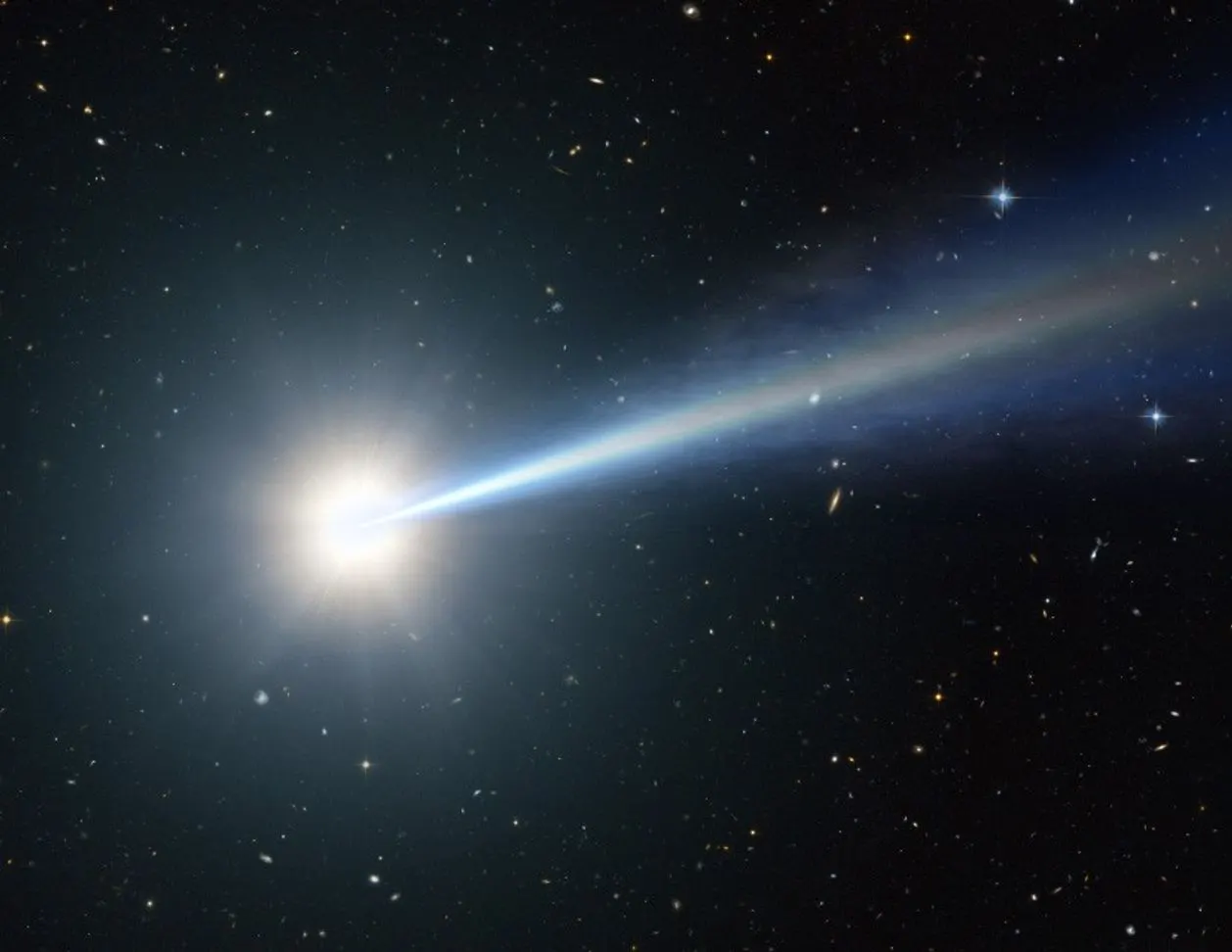
інфрачервоний кадр Hubble з дуже далеким яскравим квазаром серед об'єктів далекого космосу.
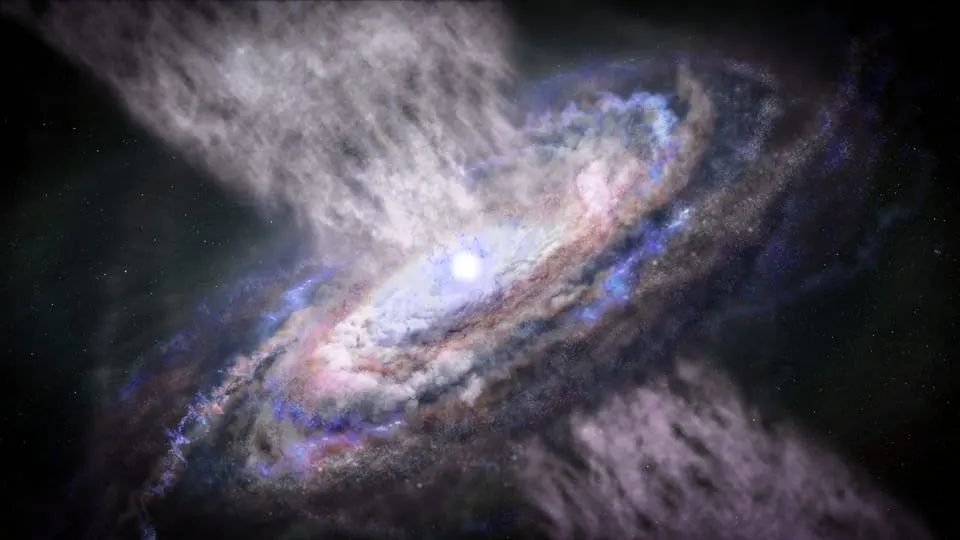
оптимізовано з `media/nasa-webb-quasar-illustration.png`: 960×540 px (половина початкової ширини й висоти), JPEG quality 82.

Реалістична синтетична обкладинка; промпт і provenance наведені вище.

Listen to fact0:00 / —

A black hole itself cannot be observed directly: light cannot escape from inside its event horizon. But gas and dust falling toward one can form an accretion disk. Gravity and friction heat the material, and the disk shines brightly. When a supermassive black hole is actively feeding, a galaxy’s central region can become a quasar—sometimes bright enough to outshine its entire host galaxy. The quasar’s light comes mainly from the black hole’s hot surroundings, not from the black hole itself.