WattSearch
Your WattLeaderboard
Language
Autoplay narration
Appearance

Feedback

Have a question or an idea? Something not working? Send us a message.

What would you like to share?
Up to 3 files, 5 MB each, 12 MB total.
Or contact us directly

Direct contacts open a separate chat or email. Files attached here are not included.

arohalya@gmail.com
A little wonder, every day

Fact 2262 — Walker’s order for 1,000 revolvers
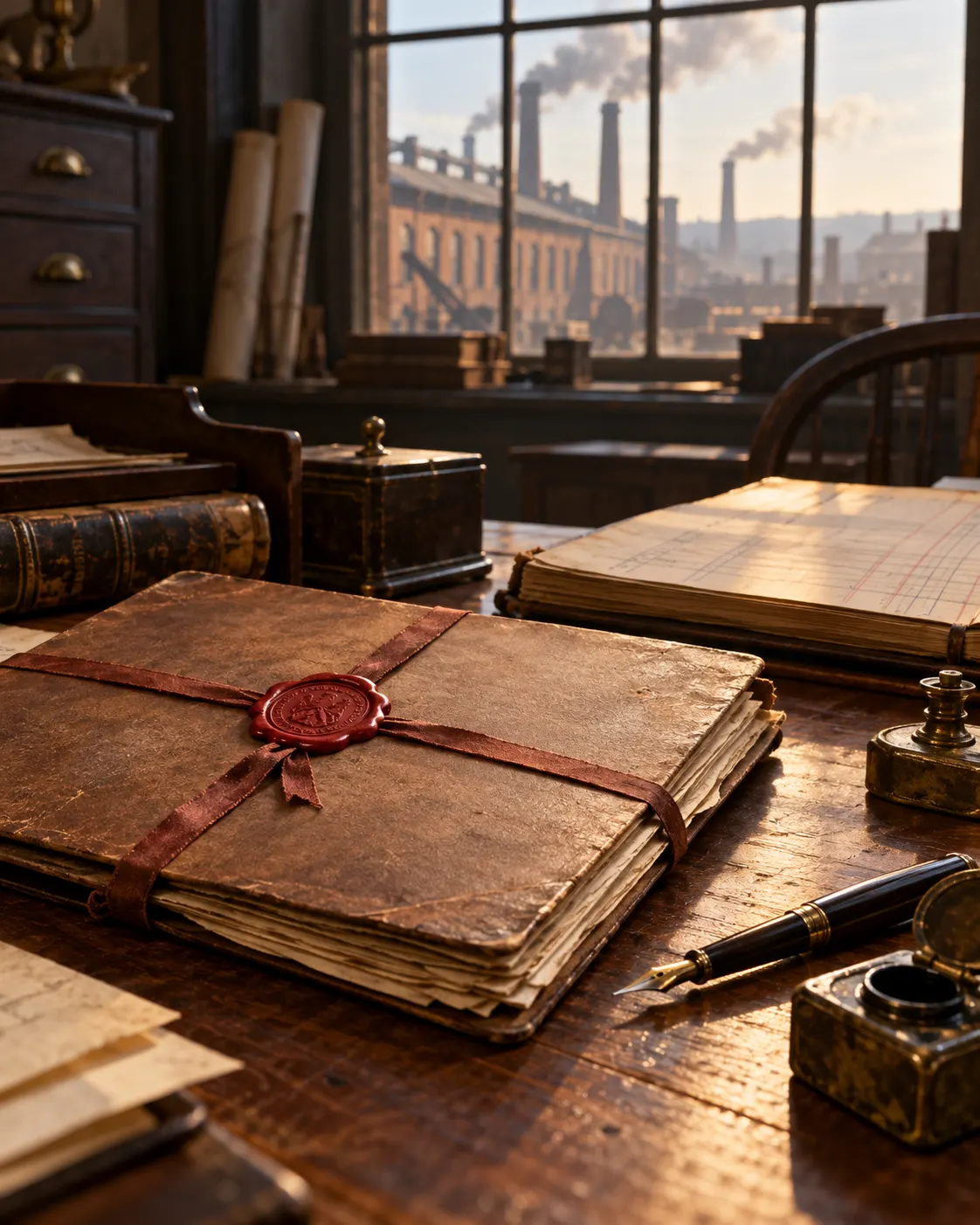
AI-generated with OpenAI image generation. Prompt: “Photorealistic editorial cover for an article about an 1847 military manufacturing contract. A 19th-century contract folder, fountain pen, wax seal, and ledger on a wooden office table, with a distant factory window in soft focus; no weapon, no readable writing, no logos, no people. Warm historical documentary lighting, portrait 4:5.”
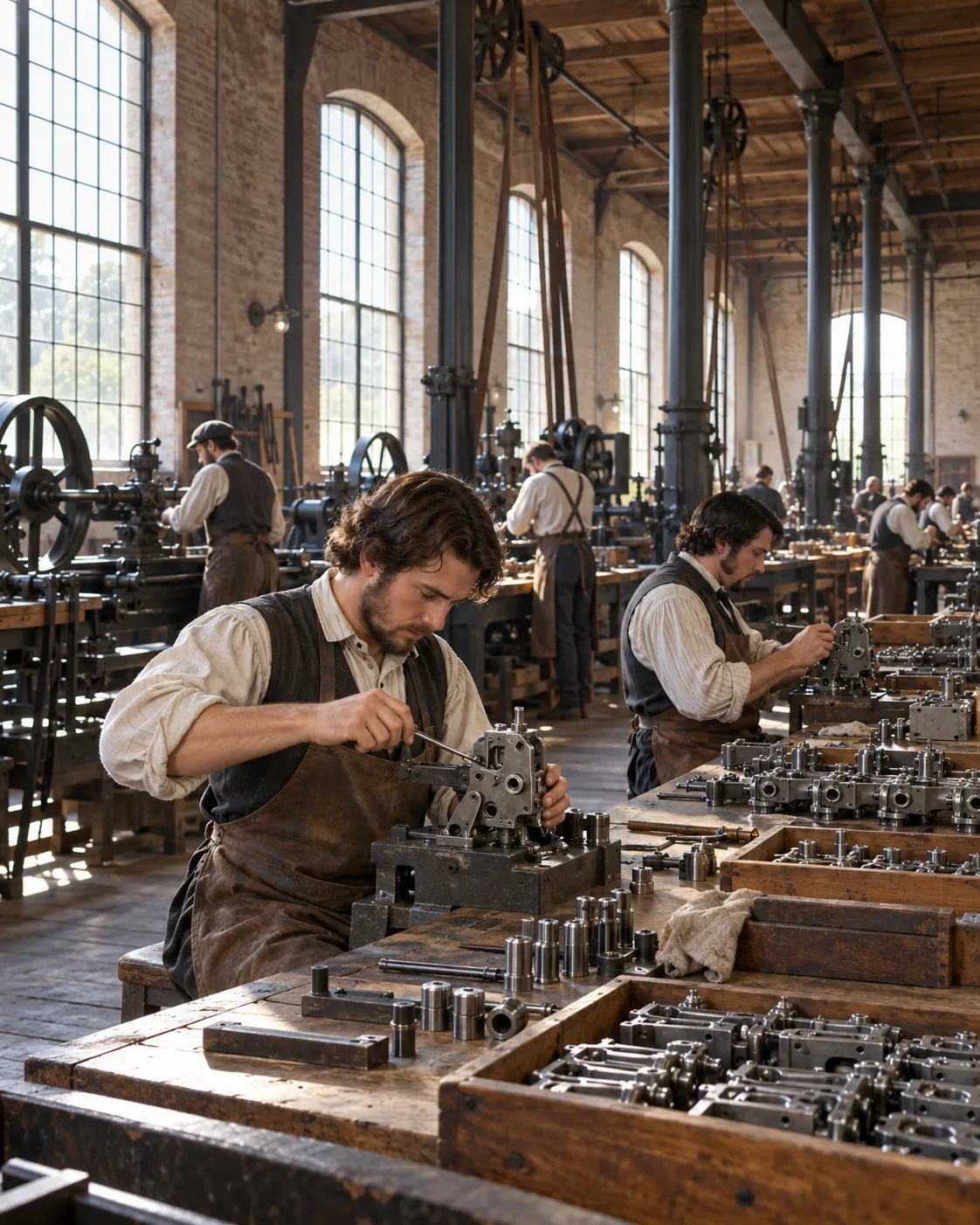
AI-generated with OpenAI image generation. Prompt: “Distinct photorealistic editorial history scene inside a 19th-century American armory: workers in period clothing assemble generic metal mechanisms at long benches, no weapons, no ammunition, no violence, no logos, no readable text. Respectful industrial heritage documentary style, natural window light, portrait 4:5.”

AI-generated with OpenAI image generation. Prompt: “Photorealistic editorial cover for an article about an 1847 military manufacturing contract. A 19th-century contract folder, fountain pen, wax seal, and ledger on a wooden office table, with a distant factory window in soft focus; no weapon, no readable writing, no logos, no people. Warm historical documentary lighting, portrait 4:5.”

Listen to fact0:00 / —

After receiving his patent, Samuel Colt still lacked a factory to mass-produce revolvers. In 1847, Captain Samuel Hampton Walker of the Texas Rangers secured an order for 1,000 revolvers of Colt’s design. The Whitney Armory in Connecticut handled production. Walker’s role was important to Colt’s first major contract, not to inventing the revolver.