WattSearch
Your WattLeaderboard
Language
Autoplay narration
Appearance

Feedback

Have a question or an idea? Something not working? Send us a message.

What would you like to share?
Up to 3 files, 5 MB each, 12 MB total.
Or contact us directly

Direct contacts open a separate chat or email. Files attached here are not included.

arohalya@gmail.com
A little wonder, every day

Natural products in medicines
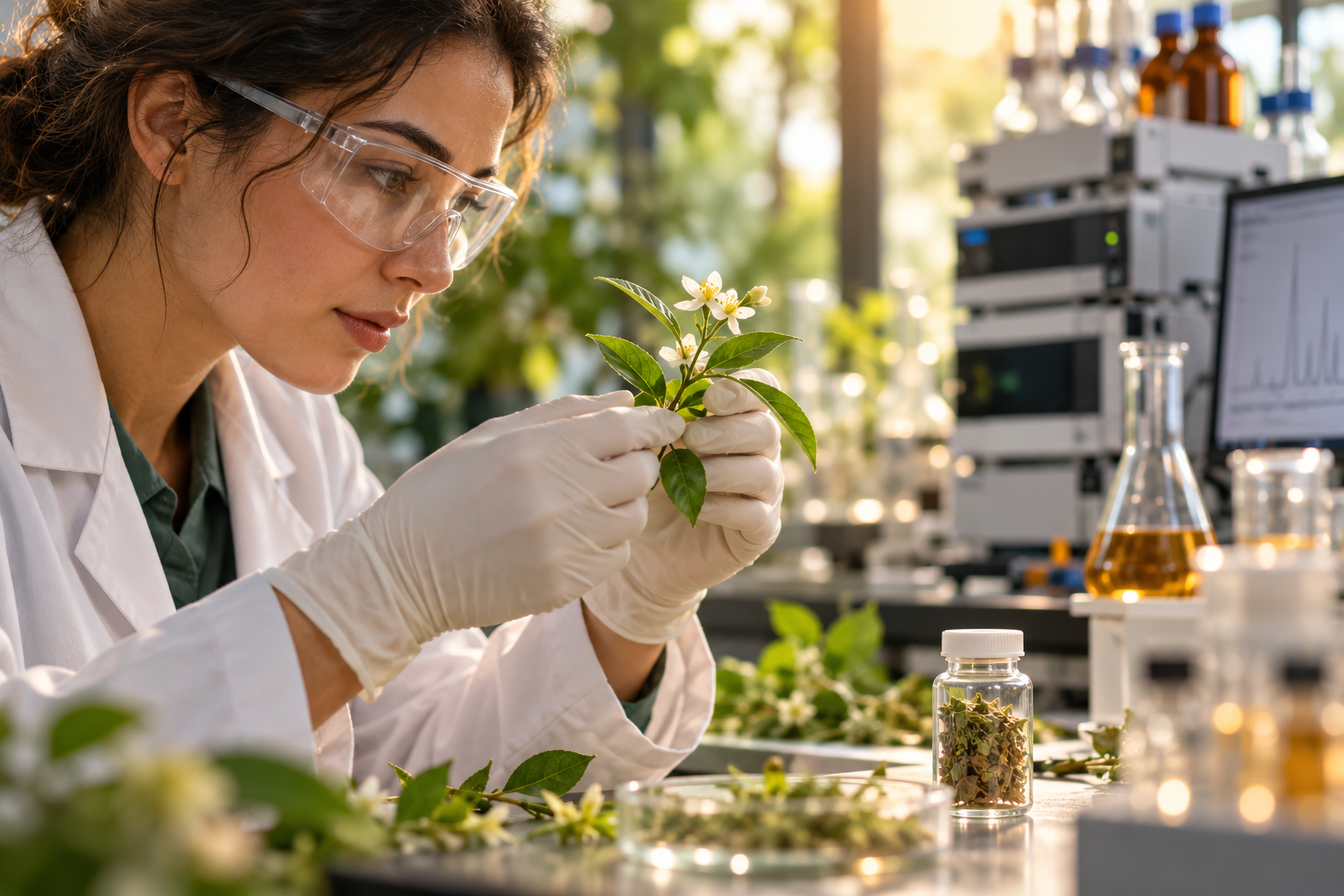
AI-generated cover illustration showing a botanist's gloved hand examining a medicinal plant beside a laboratory vial, suggesting one possible route from natural chemistry to medicines without depicting a real drug or claiming all medicines are plant-derived.
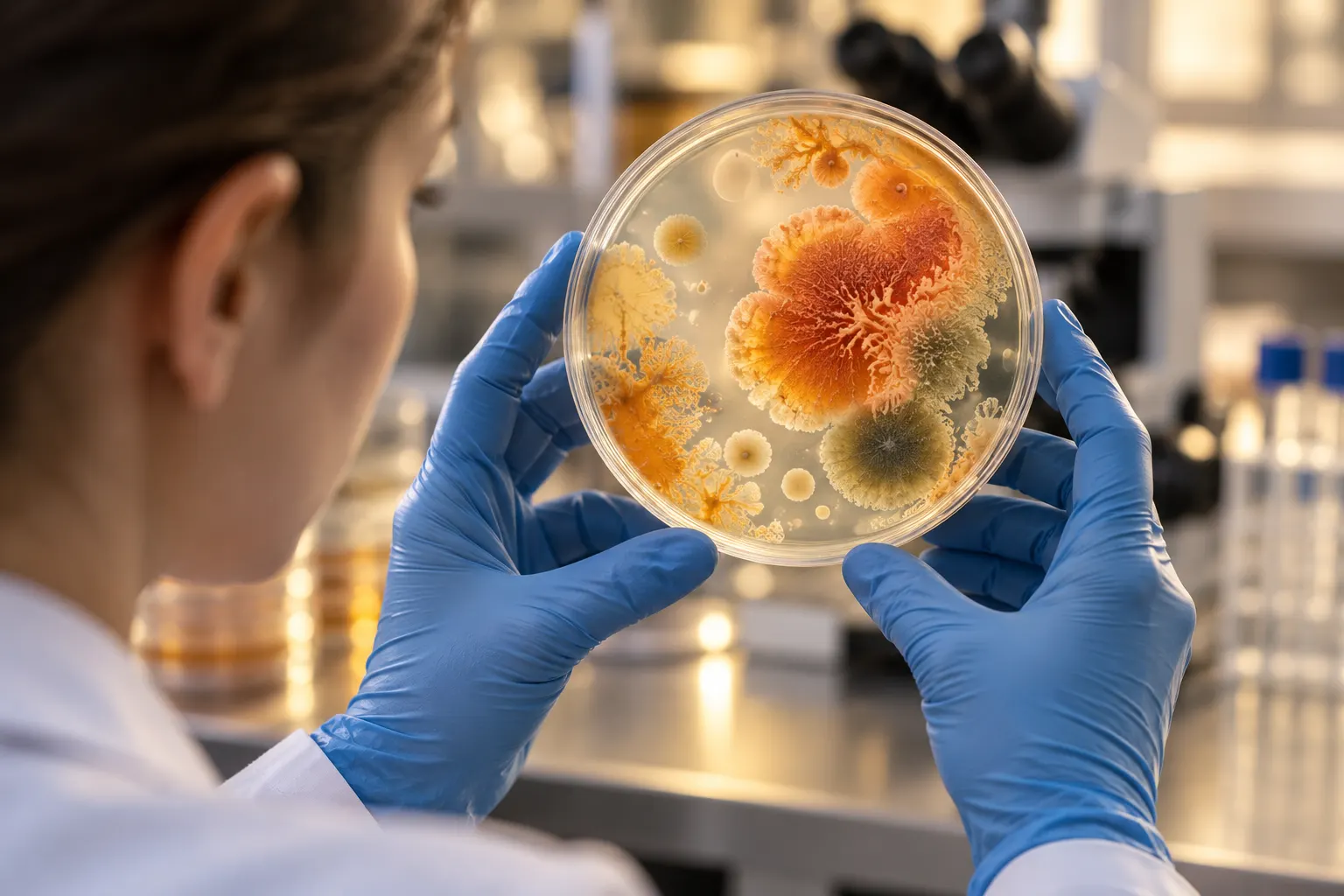
AI-generated editorial illustration of a microbiologist examining a petri dish with a naturally pigmented microbial colony; symbolic, not a specific organism or medicine.
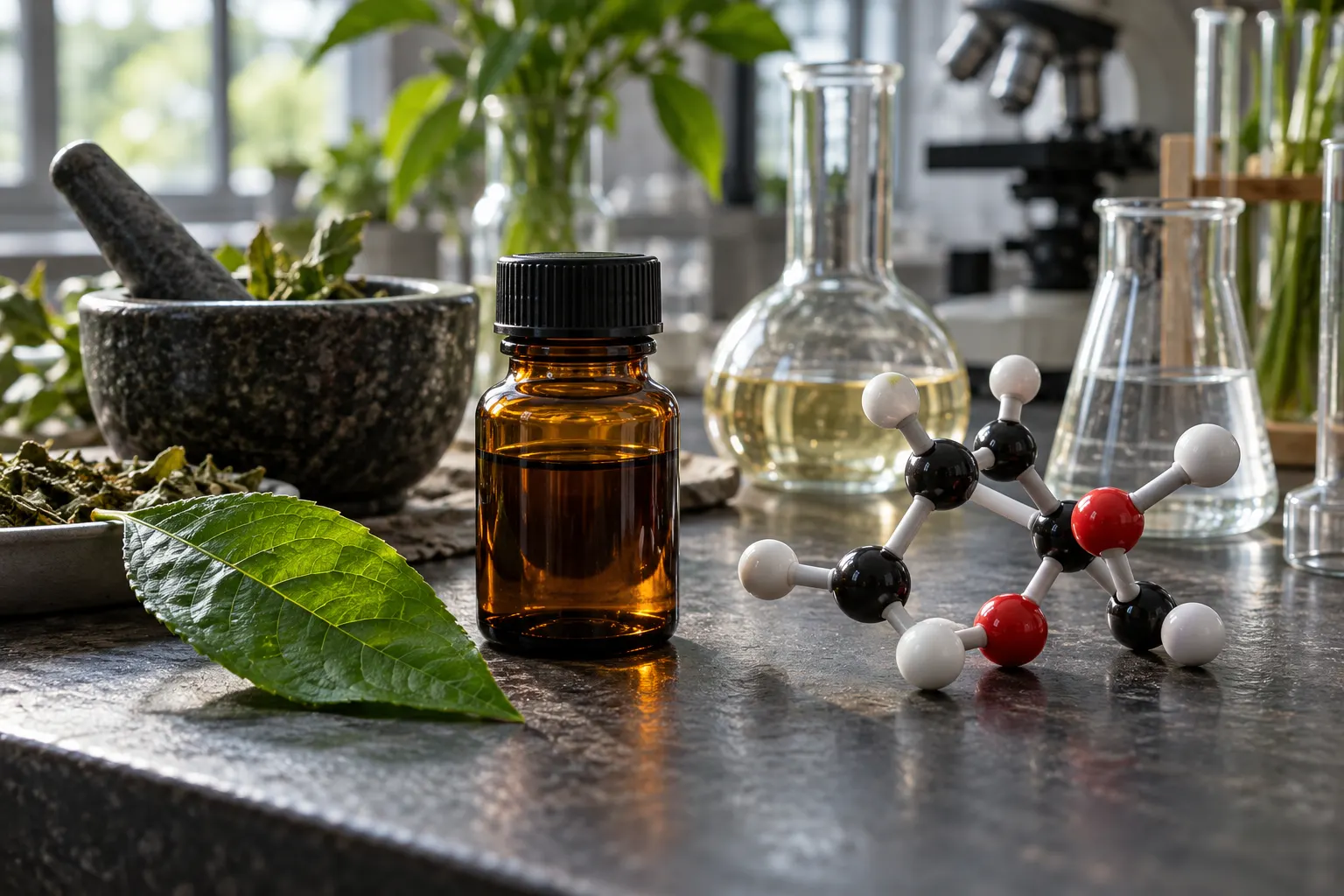
AI-generated editorial illustration of medicinal chemistry work with plant-derived sample extract and molecular model; illustrative, no particular molecule represented.
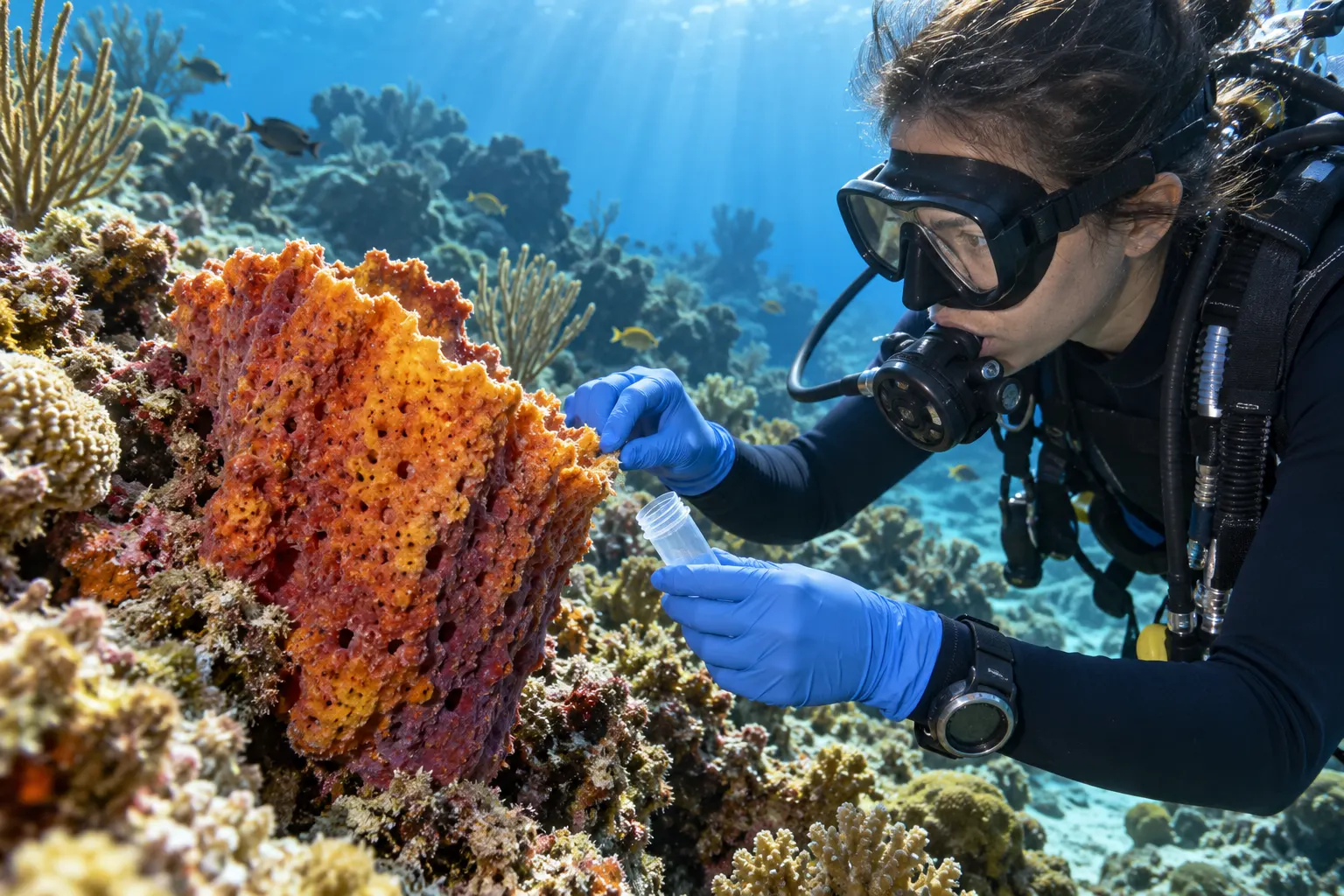
AI-generated editorial underwater scene of a researcher sampling a generic marine sponge; it illustrates a possible natural-products research setting, not a named species or actual drug.
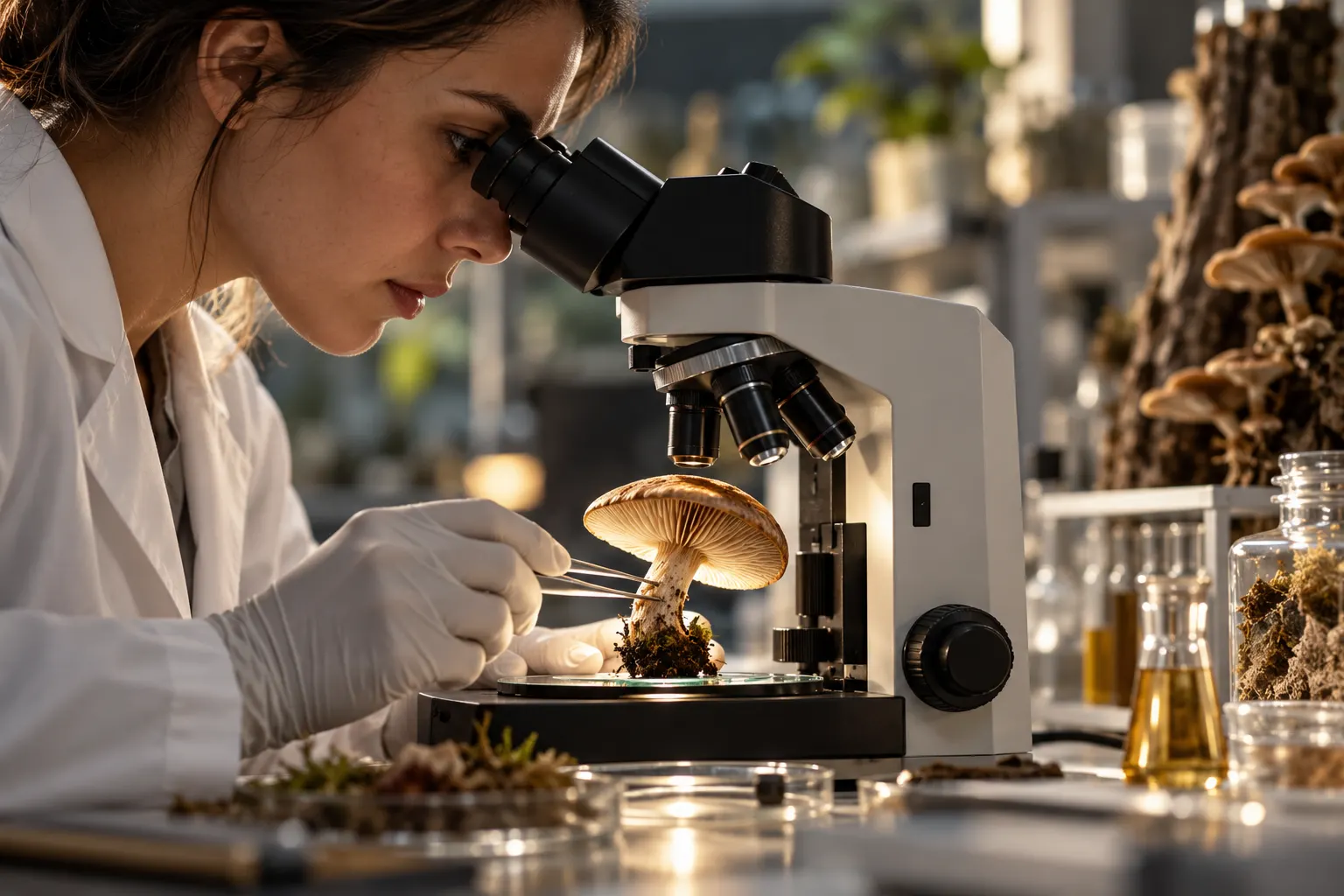
AI-generated editorial scene of a mycologist examining a generic mushroom; illustrative, not a specific species or drug source.

AI-generated cover illustration showing a botanist's gloved hand examining a medicinal plant beside a laboratory vial, suggesting one possible route from natural chemistry to medicines without depicting a real drug or claiming all medicines are plant-derived.

Listen to fact0:00 / —

The claim that more than 60% of all medicines contain plant ingredients mixes different drug categories. A review of small-molecule drugs approved worldwide from 1981 to 2019 counted 1,394 medicines: about 31% were natural products or derivatives of natural products. Natural compounds can come from microbes and other organisms, not only plants. [1, 2]