WattSearch
Your WattLeaderboard
Language
Autoplay narration
Appearance

Feedback

Have a question or an idea? Something not working? Send us a message.

What would you like to share?
Up to 3 files, 5 MB each, 12 MB total.
Or contact us directly

Direct contacts open a separate chat or email. Files attached here are not included.

arohalya@gmail.com
A little wonder, every day

How cultural ideas spread

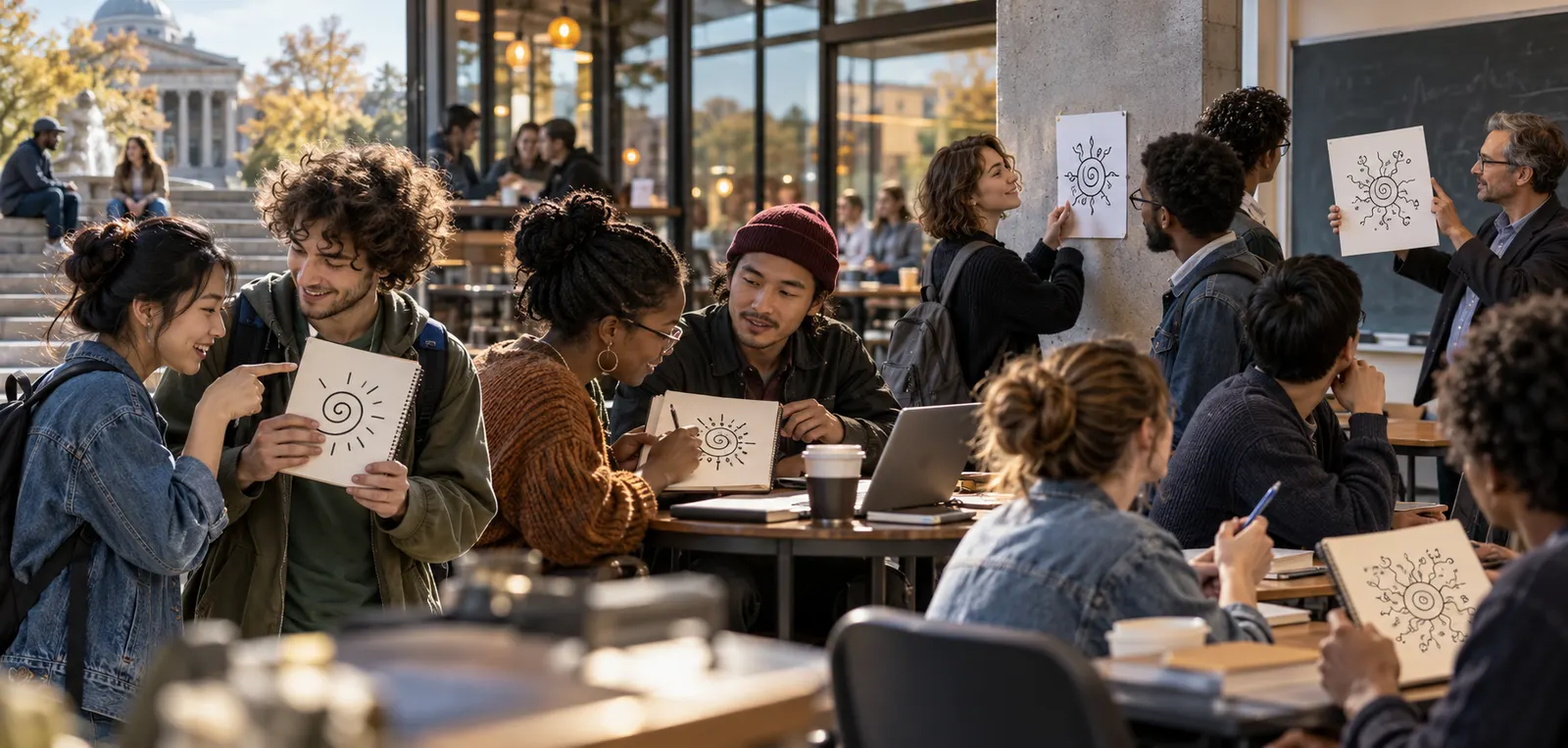
Титульна AI-згенерована ілюстрація / AI-generated cover illustration. People in different groups imitate and slightly vary a simple drawn motif, illustrating cultural ideas spreading through imitation.
AI-generated illustration of a researcher comparing notes and cultural objects while a family and peers pass practices between generations.
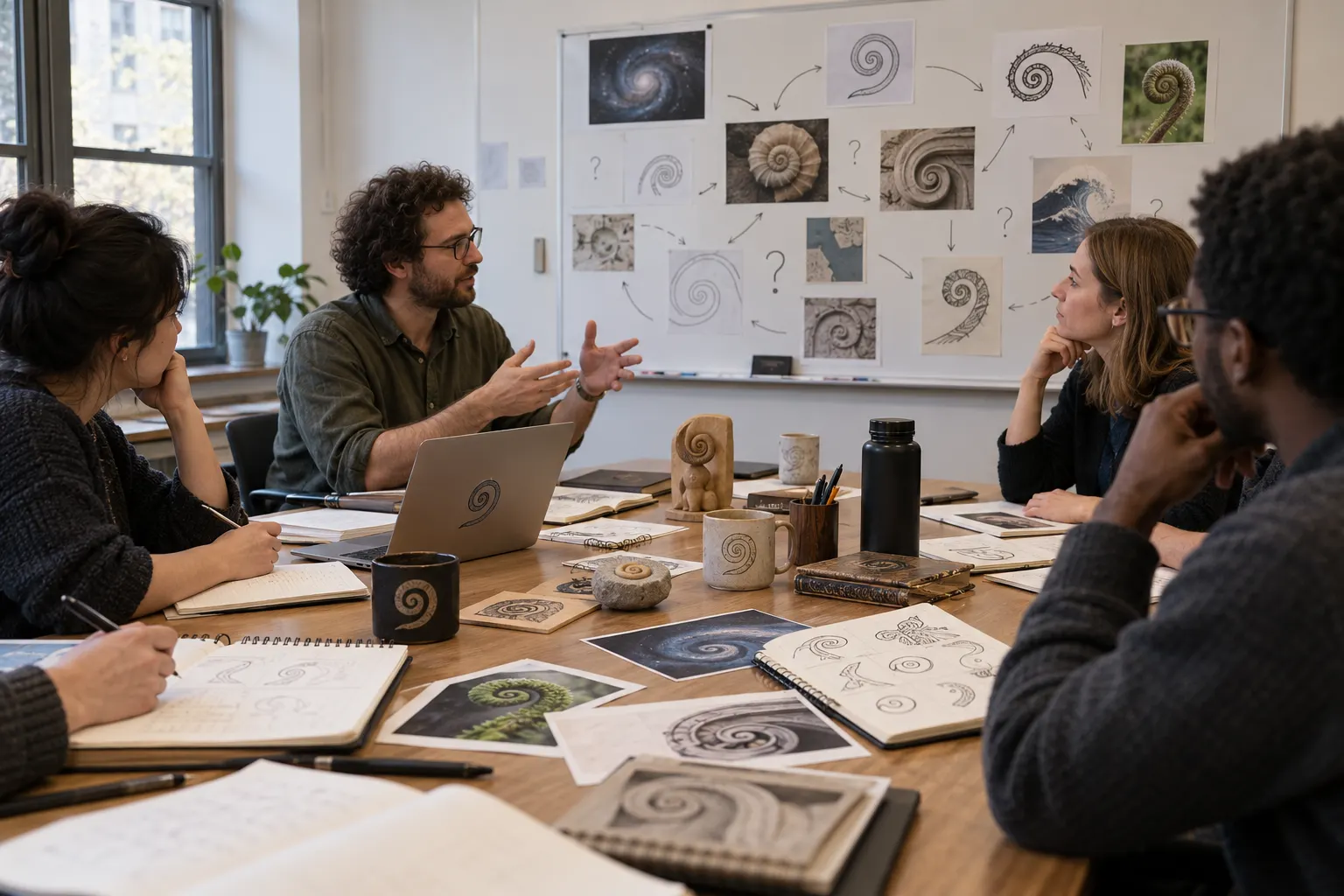
AI-generated illustration of researchers discussing overlapping versions of a motif, representing the difficulty of defining where a meme begins and how it is copied.
оптимізовано з `media/susan-blackmore-tam-2013.jpg`: 2000×1500 px (половина початкової ширини й висоти), JPEG quality 82.
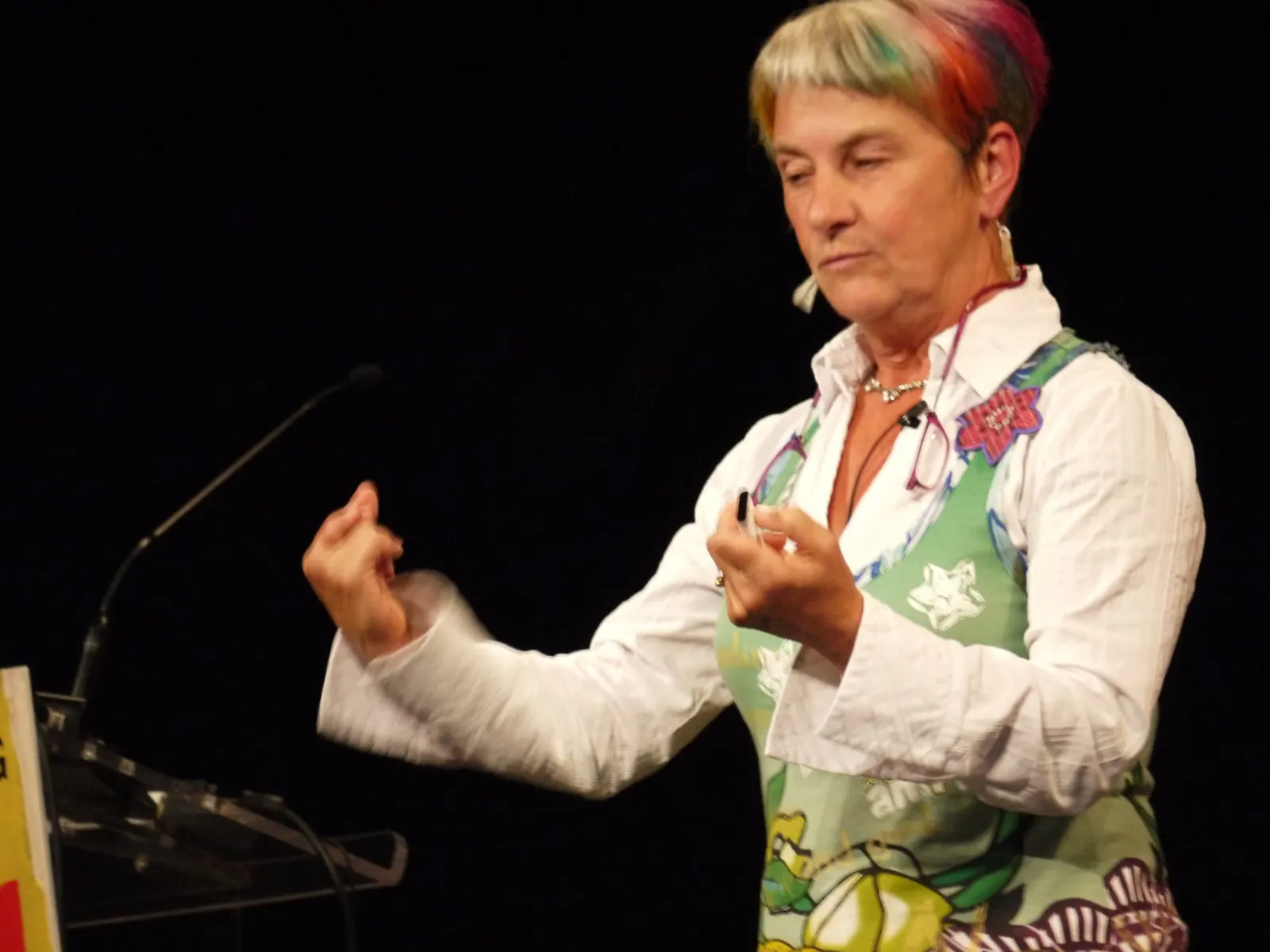
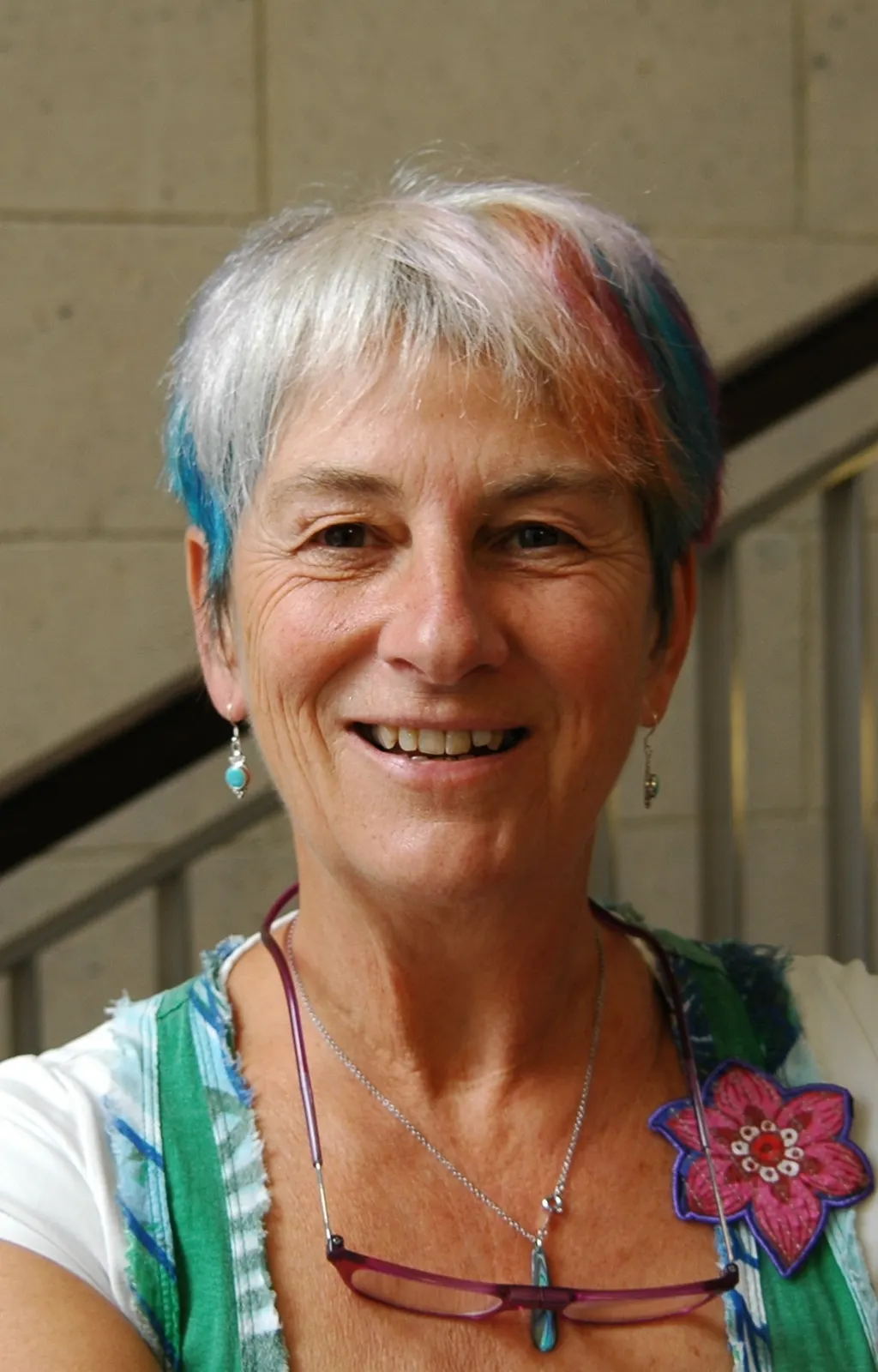
Documentary photograph of Susan Blackmore at Cologne Conference Futures, Wallraf-Richartz-Museum, 6 October 2014. Creator: StagiaireMGIMO. CC BY-SA 4.0. Original: https://commons.wikimedia.org/wiki/File:Susan_Blackmore_(2014).jpg. Attribution: “StagiaireMGIMO, CC BY-SA 4.0, via Wikimedia Commons.” No edits.

Титульна AI-згенерована ілюстрація / AI-generated cover illustration. People in different groups imitate and slightly vary a simple drawn motif, illustrating cultural ideas spreading through imitation.

Listen to fact0:00 / —

In *The Meme Machine*, psychologist Susan Blackmore develops memetics, an approach that treats cultural information people copy through imitation as a replicator that can spread and change. She builds on Richard Dawkins’s concept of the “meme” and connects cultural evolution with broader evolutionary ideas also discussed by philosopher Daniel Dennett. This is a theoretical framework, not a proven mechanism for every idea or habit: Blackmore herself notes that the boundaries of a meme and the way it is copied are difficult to specify. [1–3]