WattSearch
Your WattLeaderboard
Language
Autoplay narration
Appearance

Feedback

Have a question or an idea? Something not working? Send us a message.

What would you like to share?
Up to 3 files, 5 MB each, 12 MB total.
Or contact us directly

Direct contacts open a separate chat or email. Files attached here are not included.

arohalya@gmail.com
A little wonder, every day

From rubber devices to the contraceptive pill
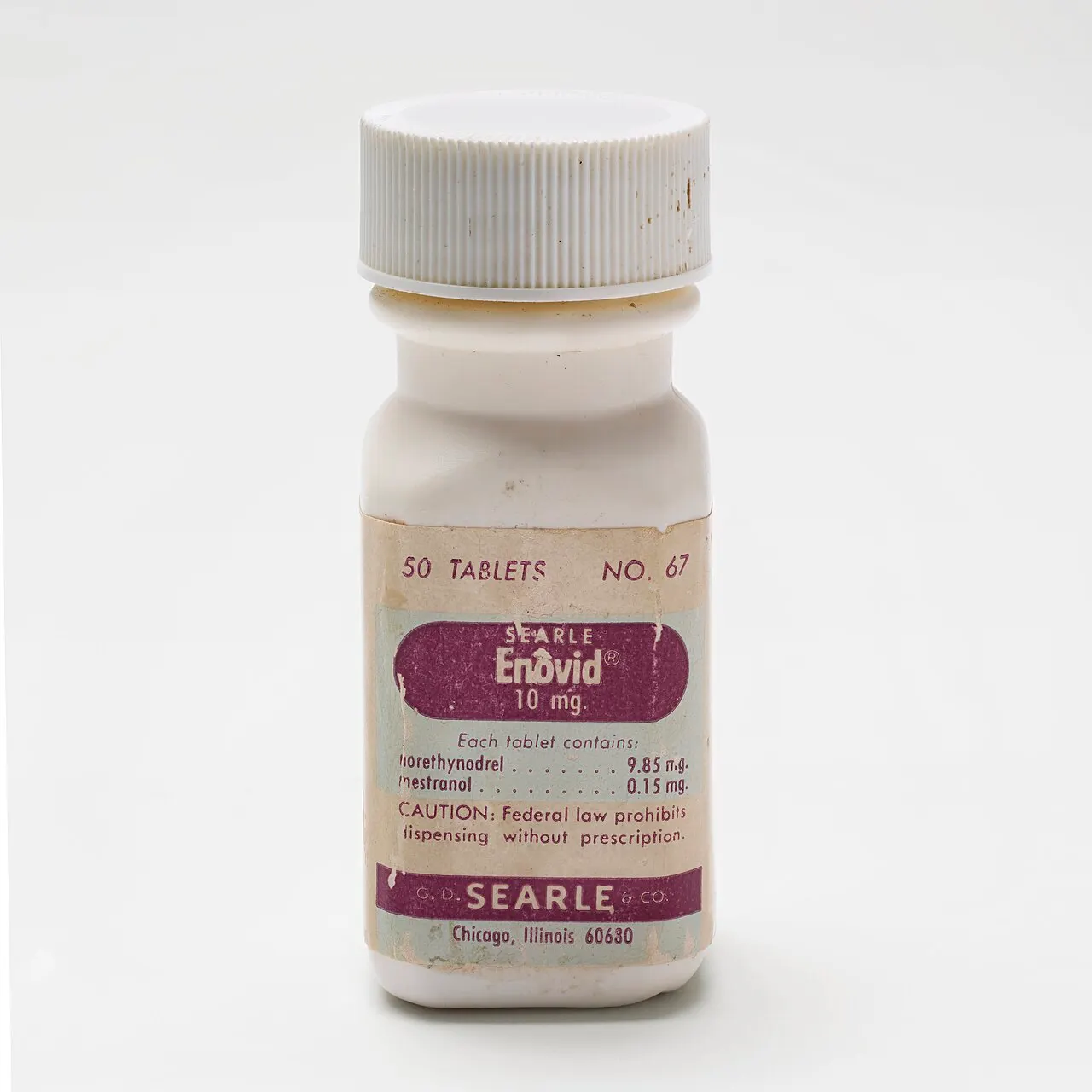
Музейний флакон Enovid 10 mg; історична упаковка, не сучасна рекомендація щодо препарату / Museum Enovid 10 mg bottle; historical packaging, not a current medication recommendation. Credit: G.D. Searle & Co; CC BY 4.0. https://creativecommons.org/licenses/by/4.0 Source: https://commons.wikimedia.org/?curid=123773258
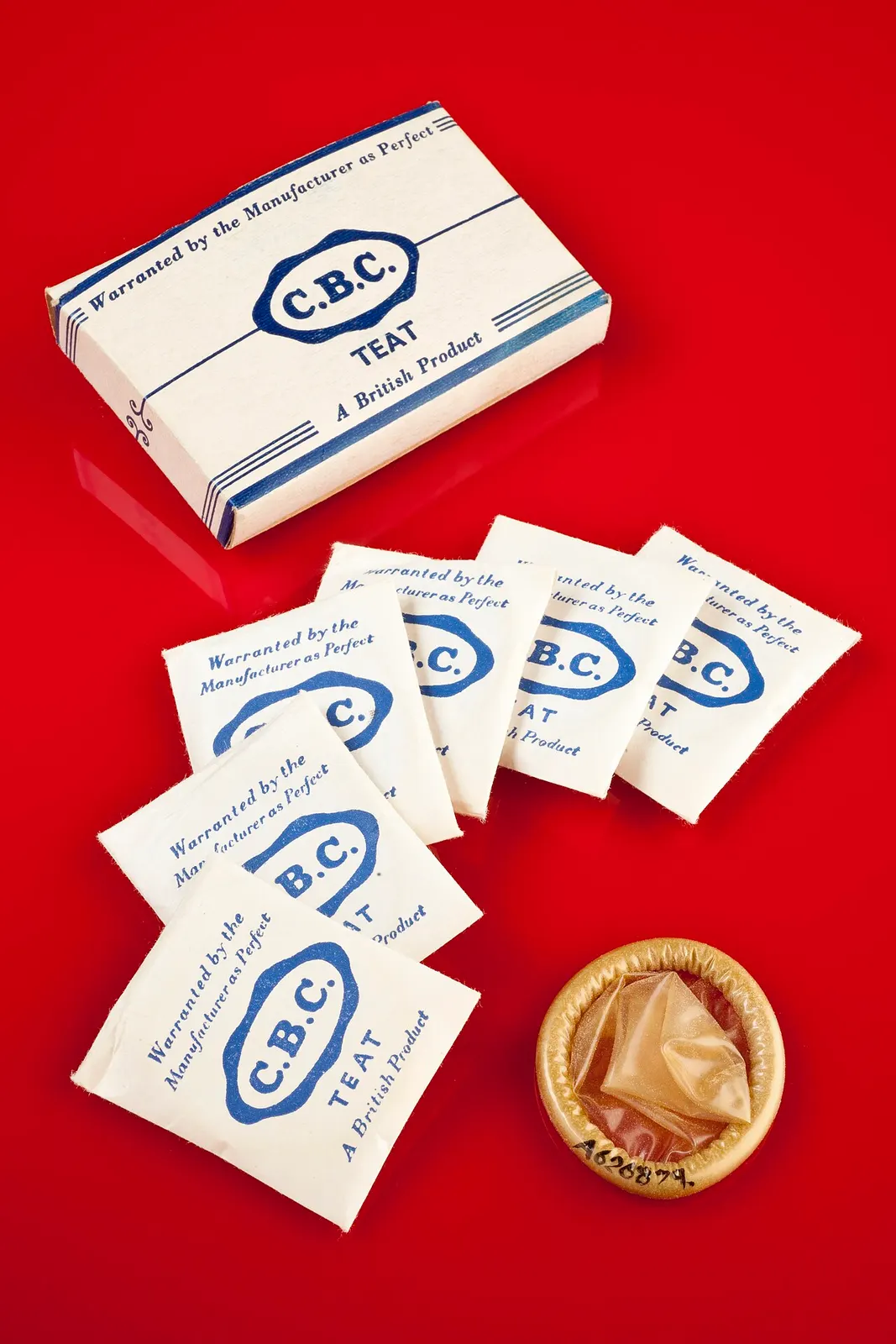
Історичні гумові презервативи з оригінальною коробкою, Wellcome Collection; музейні зразки, не сучасний товар / Historical rubber condoms with their original carton, Wellcome Collection; museum objects, not a modern product. Credit: source collection / Wikimedia Commons; CC BY 4.0. https://creativecommons.org/licenses/by/4.0 Source: https://commons.wikimedia.org/?curid=36238256

Музейний флакон Enovid 10 mg; історична упаковка, не сучасна рекомендація щодо препарату / Museum Enovid 10 mg bottle; historical packaging, not a current medication recommendation. Credit: G.D. Searle & Co; CC BY 4.0. https://creativecommons.org/licenses/by/4.0 Source: https://commons.wikimedia.org/?curid=123773258

Listen to fact0:00 / —

Rubber condoms appeared in the nineteenth century, as vulcanized rubber gradually replaced some products made from animal materials. Another historical milestone came in 1960 when the FDA approved Enovid as an oral contraceptive in the United States. According to the PBS timeline, more than 6.5 million American women were taking the pill by 1965; this is a historical U.S. estimate, rather than current worldwide statistics. Drug approval and access for all women were different issues: legal and social restrictions remained.