WattSearch
Your WattLeaderboard
Language
Autoplay narration
Appearance

Feedback

Have a question or an idea? Something not working? Send us a message.

What would you like to share?
Up to 3 files, 5 MB each, 12 MB total.
Or contact us directly

Direct contacts open a separate chat or email. Files attached here are not included.

arohalya@gmail.com
A little wonder, every day

Foresight in Summa Technologiae
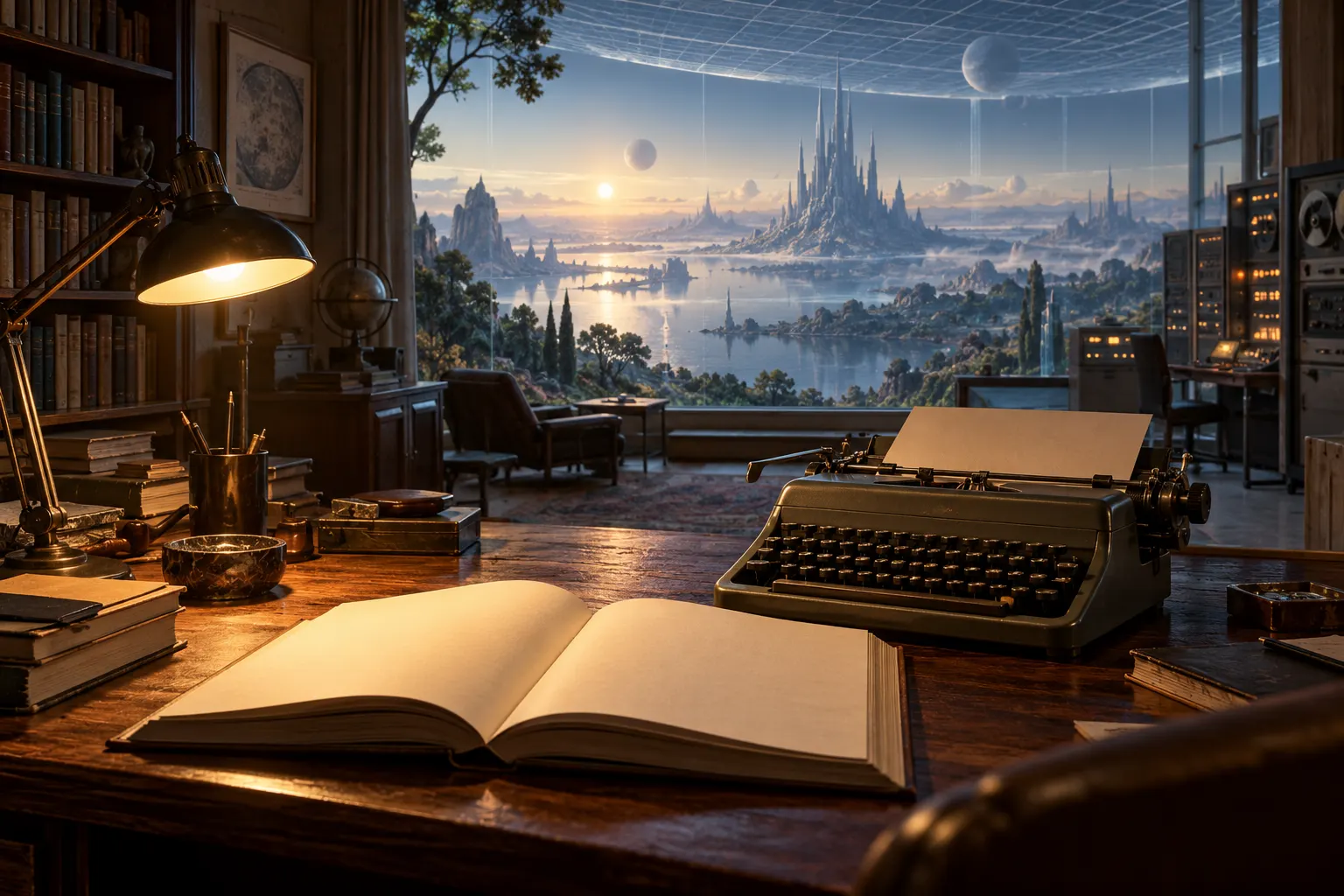
Титульна AI-згенерована ілюстрація / AI-generated cover illustration. An unmarked book and typewriter open onto an imagined artificial landscape, evoking Lem’s speculative future technologies.
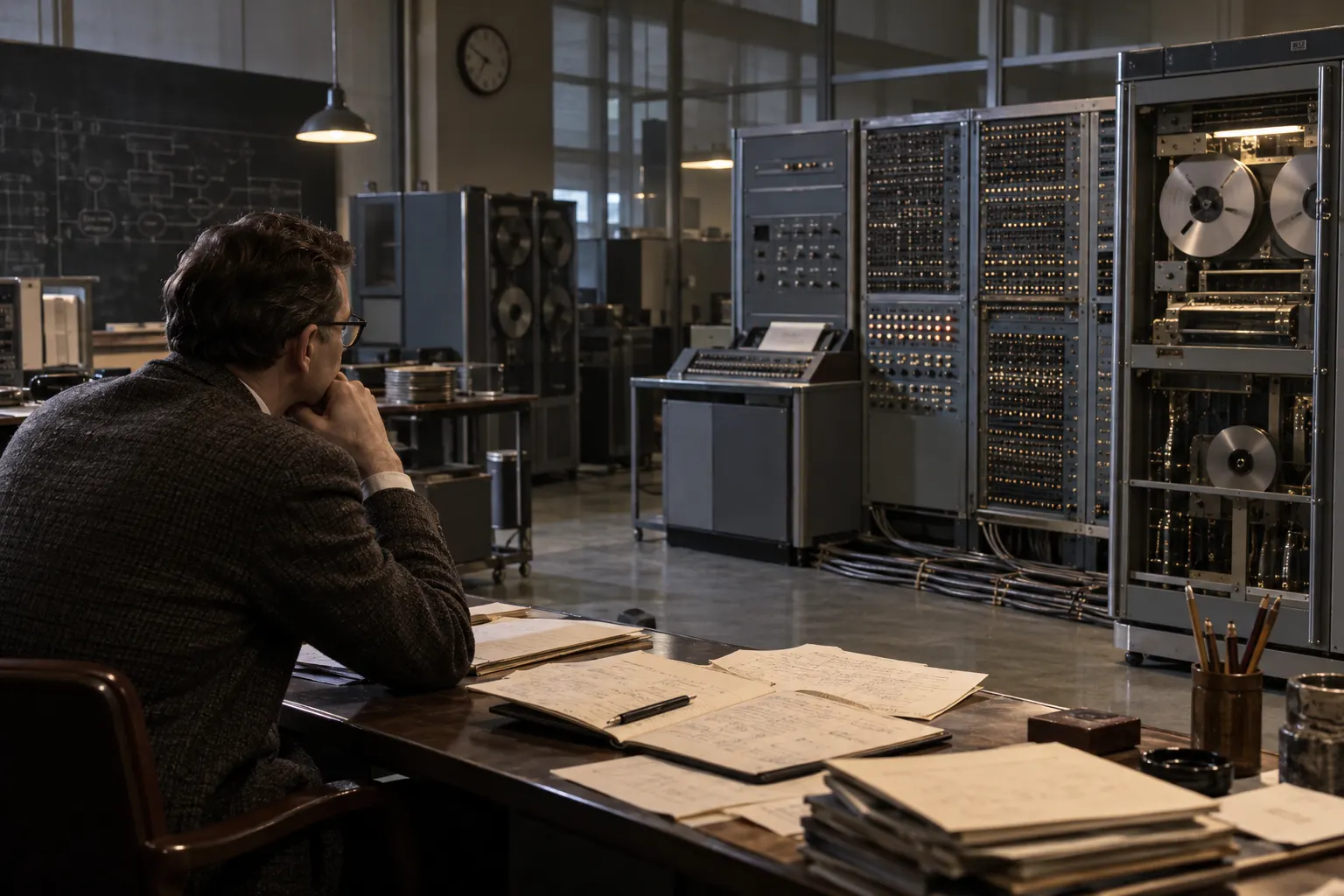
AI-generated illustration of a researcher considering a large 1960s mainframe, representing Lem’s writing about machine intelligence.
AI-generated illustration of a laboratory studying an abstract molecular material visualization, representing a speculative technology theme.
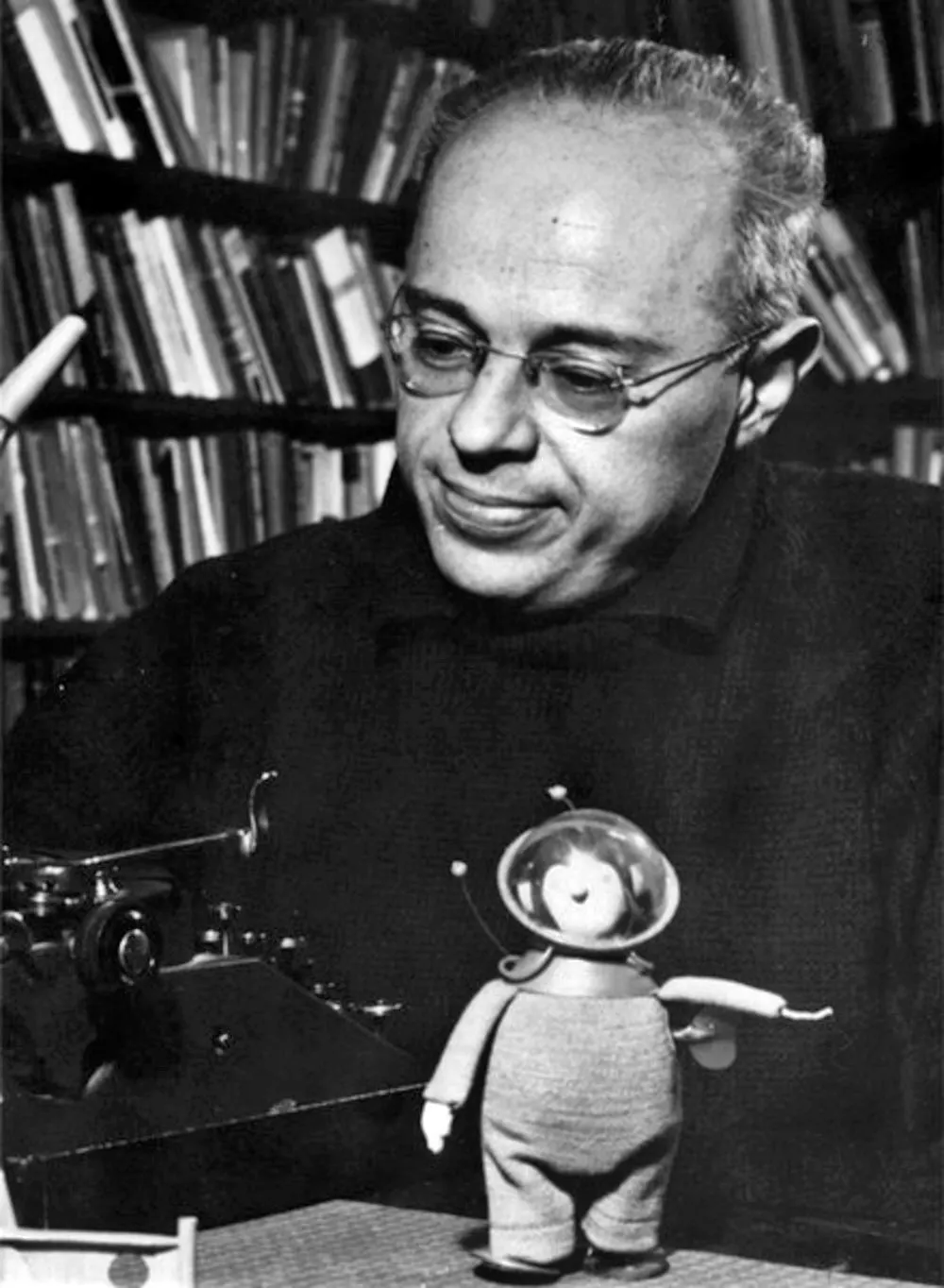
Portrait of Lem in 1966; courtesy of secretary Wojciech Zemek; Lem estate permission, CC BY-SA 3.0. Attribution: Stanisław Lem / courtesy Wojciech Zemek / CC BY-SA 3.0. Original: https://commons.wikimedia.org/wiki/File:Stanis%C5%82aw_Lem.jpg.
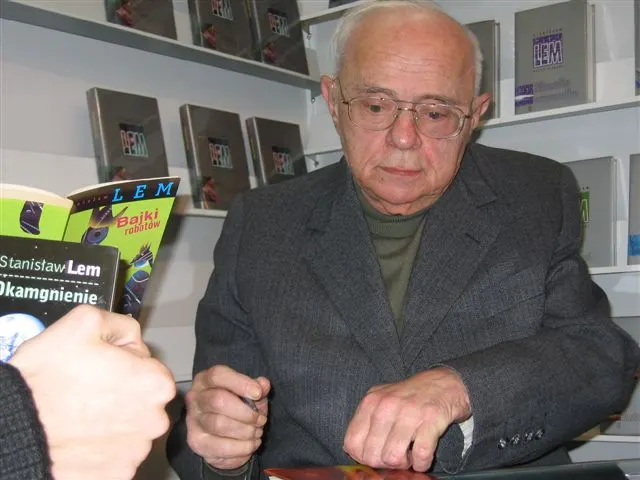
Portrait by Mariusz Kubik, 2005; CC BY 2.5. Attribution: Mariusz Kubik / CC BY 2.5. Original: https://commons.wikimedia.org/wiki/File:Stanislaw_Lem_by_Kubik.JPG.

Титульна AI-згенерована ілюстрація / AI-generated cover illustration. An unmarked book and typewriter open onto an imagined artificial landscape, evoking Lem’s speculative future technologies.

Listen to fact0:00 / —

In *Summa Technologiae* (1964), Stanisław Lem considered technologies that then seemed like science fiction: artificial worlds that could convincingly imitate reality, machine intelligence, molecular technologies, and the deliberate steering of human evolution. These were philosophical scenarios about the future, not precise engineering plans or proof that all such technologies already existed.