A little wonder, every day
Shabtis were intended to work in the afterlife
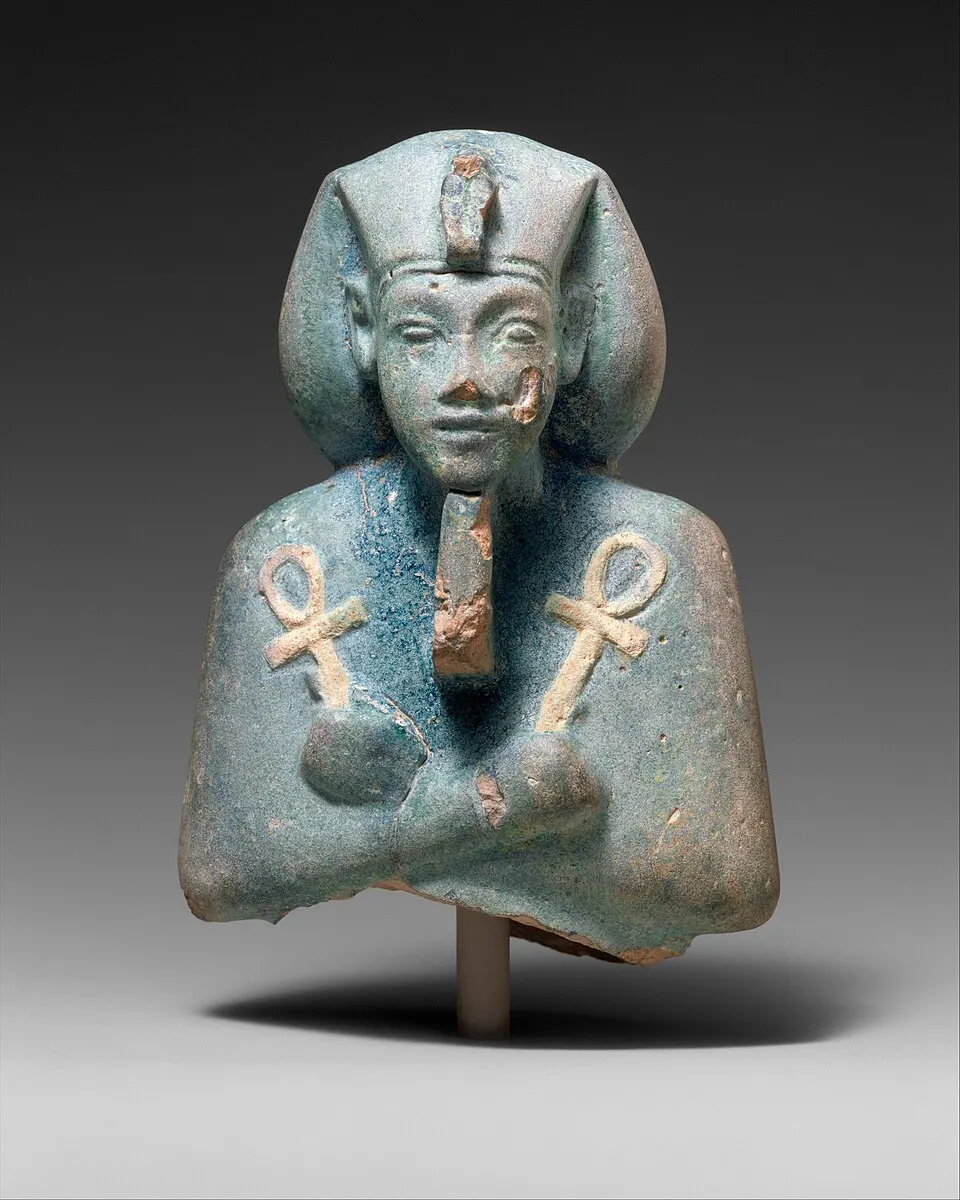
Автентична шабті Ехнатона з колекції Met; сучасне фото давнього предмета, не реконструкція / Authentic Akhenaten shabti in The Met; modern photograph of an ancient object, not a reconstruction. Credit: Author unknown; CC0. http://creativecommons.org/publicdomain/zero/1.0/deed.en Source: https://commons.wikimedia.org/?curid=60916007
Listen to fact0:00 / —
Ancient Egyptian burials could include shabtis, or ushabtis: figures believed to perform afterlife labor for the deceased. Museum objects and inscriptions document this funerary practice. Not every burial across every period had an identical set of goods, and archaeological evidence of belief does not itself establish an afterlife’s existence.