WattSearch
Your WattLeaderboard
Language
Autoplay narration
Appearance

Feedback

Have a question or an idea? Something not working? Send us a message.

What would you like to share?
Up to 3 files, 5 MB each, 12 MB total.
Or contact us directly

Direct contacts open a separate chat or email. Files attached here are not included.

arohalya@gmail.com
A little wonder, every day

How orbit changes the passage of time
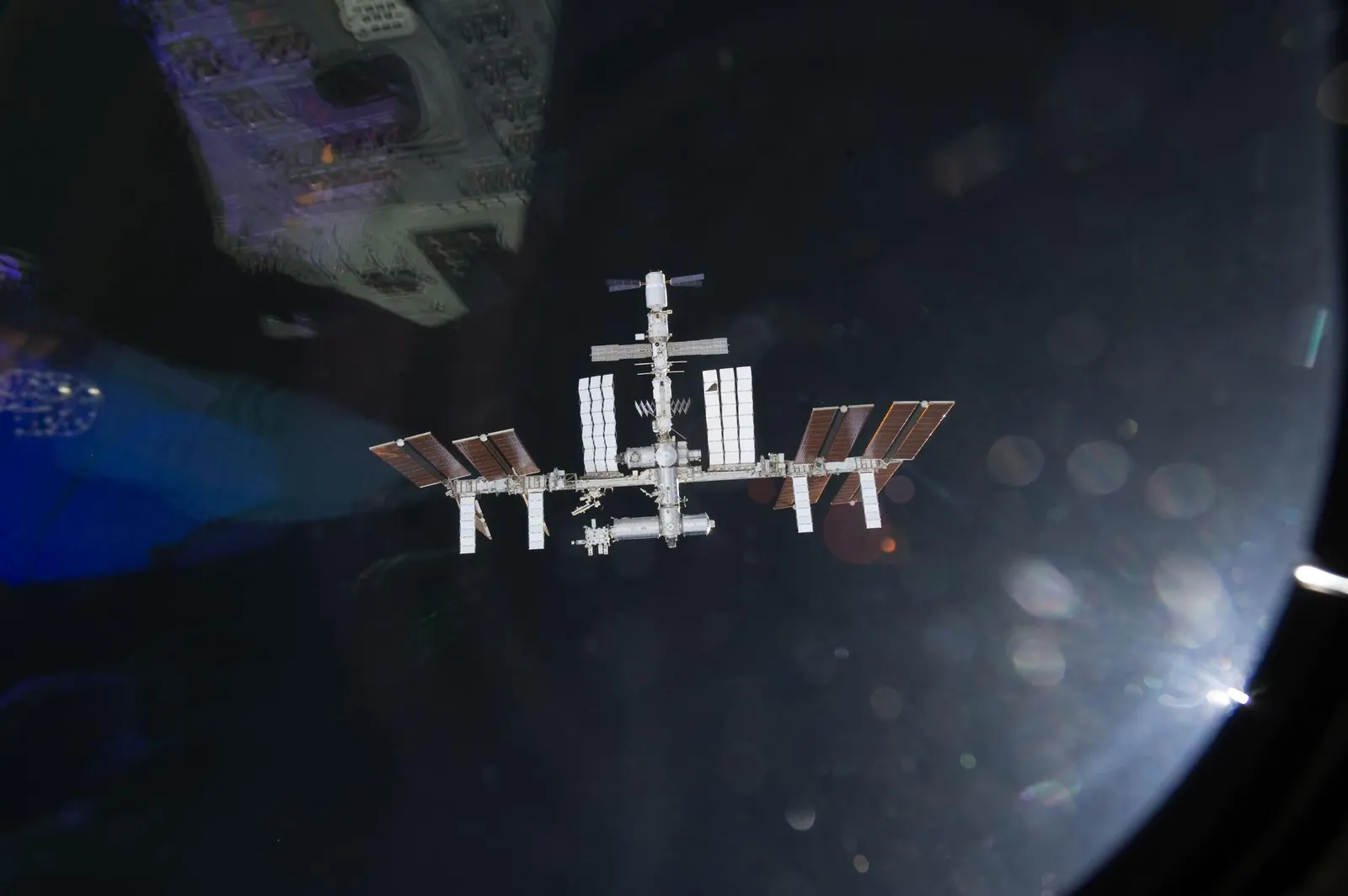
NASA image S134E006921, the International Space Station photographed from Space Shuttle Endeavour during approach, 2011. NASA credit; U.S. federal public-domain work. Source: https://images-assets.nasa.gov/image/s134e006921/s134e006921~large.jpg. Documentary orbit context.
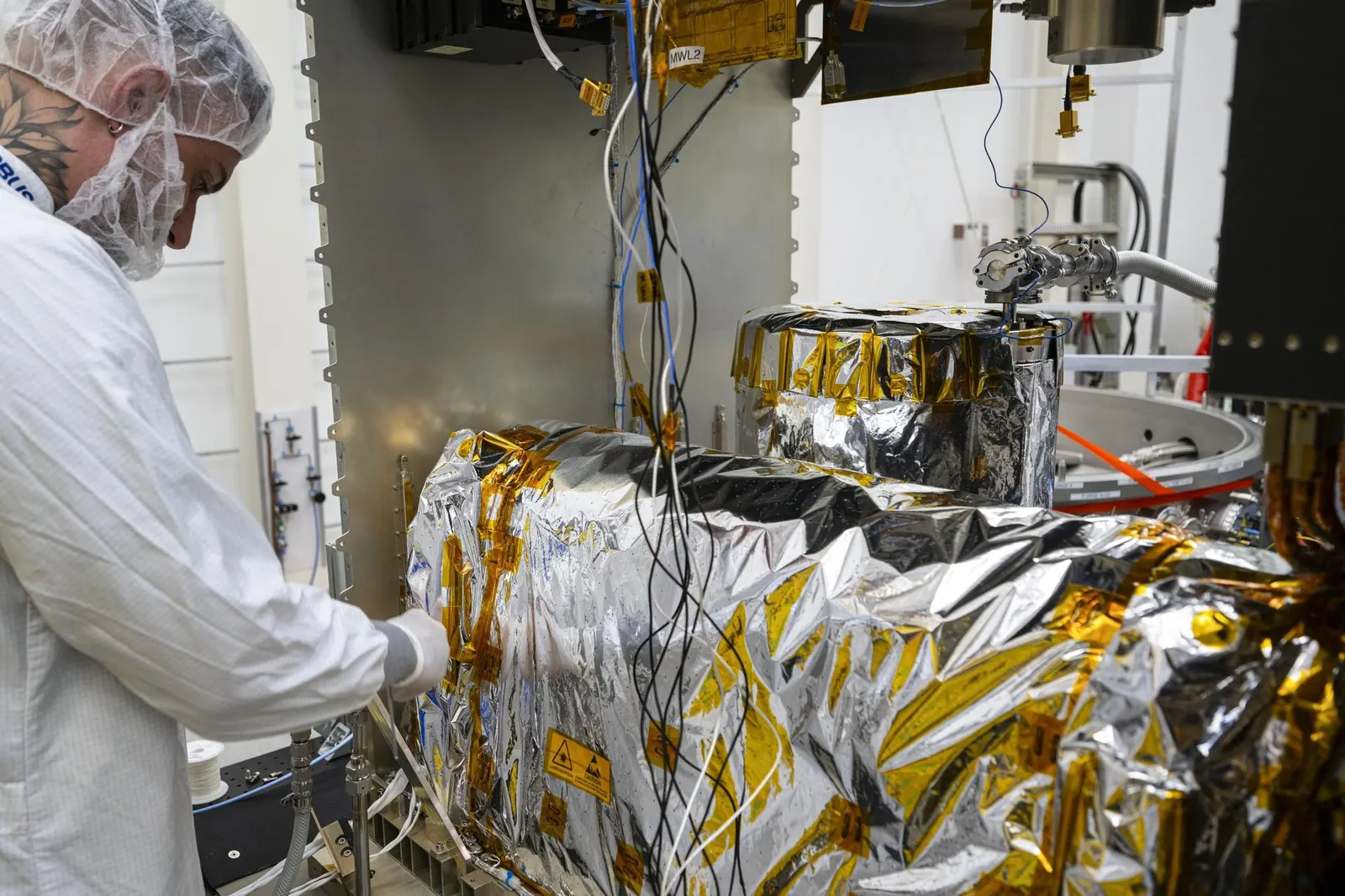
NASA image JSC2025E015677, technicians preparing ACES atomic-clock equipment on the ground, 2025. NASA credit; U.S. federal public-domain work. Source: https://images-assets.nasa.gov/image/jsc2025e015677/jsc2025e015677~large.jpg. It shows ground preparation, not the equipment in orbit or a measured human age difference.

NASA image S134E006921, the International Space Station photographed from Space Shuttle Endeavour during approach, 2011. NASA credit; U.S. federal public-domain work. Source: https://images-assets.nasa.gov/image/s134e006921/s134e006921~large.jpg. Documentary orbit context.

Listen to fact0:00 / —

According to relativity, time passes a little differently for a person in orbit and one on Earth’s surface. An astronaut aboard the ISS moves very fast, which slows that astronaut’s clock; at the same time, weaker gravity at orbital altitude acts in the opposite direction. Over about six months, the combined difference is only a few thousandths of a second—roughly 0.005 s: the astronaut accumulates slightly less proper time than a person on Earth.