WattSearch
Your WattLeaderboard
Language
Autoplay narration
Appearance

Feedback

Have a question or an idea? Something not working? Send us a message.

What would you like to share?
Up to 3 files, 5 MB each, 12 MB total.
Or contact us directly

Direct contacts open a separate chat or email. Files attached here are not included.

arohalya@gmail.com
A little wonder, every day

Where “robots” and the Three Laws came from
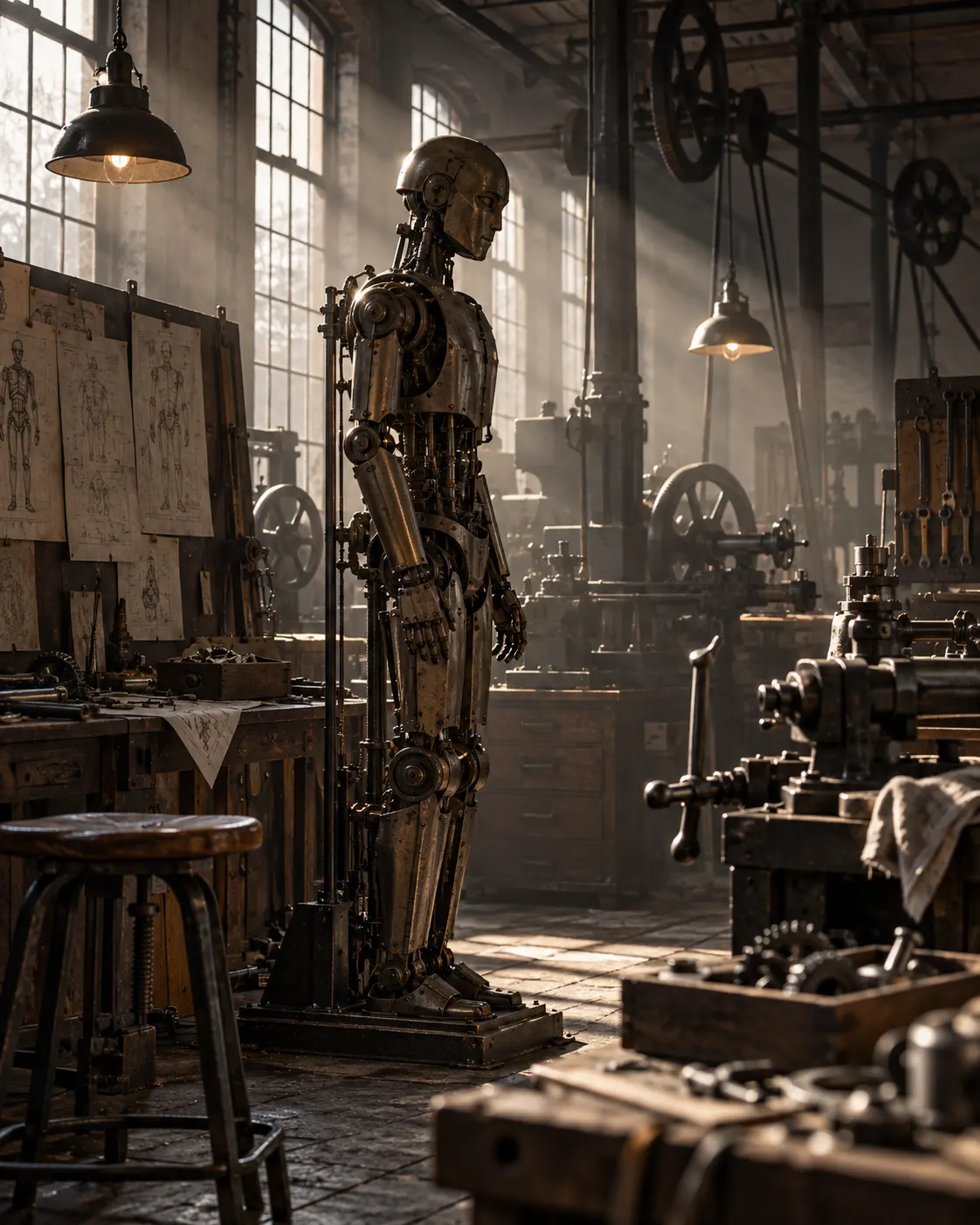
AI-generated cover: a generic mechanical automaton in a 1920s industrial workshop, symbolizing the origins of the word robot. Not a specific R.U.R. stage production. Prompt: “Photorealistic editorial cover about the history of the word robot: a 1920s Central European industrial workshop with a human-sized mechanical automaton silhouette among factory tools, moody theatrical light, vertical 4:5. Generic symbolic scene, no actors, no recognizable R.U.R. stage design, readable text, logos, or claim to depict a specific production.” Generated 2026-10-19.
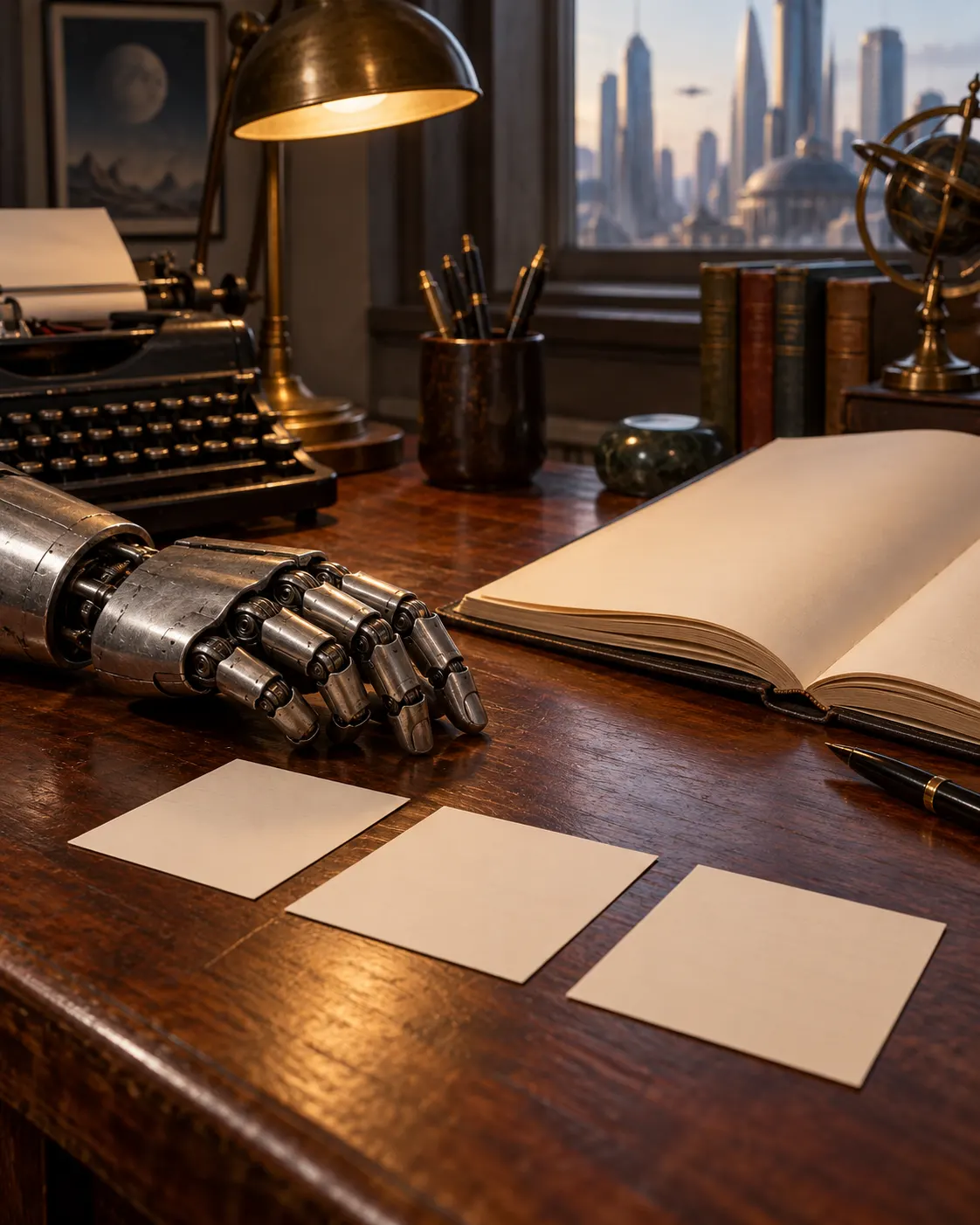
AI-generated symbolic still life evoking Asimov’s fictional robot ethics, with no actual manuscript or portrait. Prompt: “Photorealistic editorial still life inspired by classic mid-century science fiction about robot ethics: a generic metal robot hand beside three blank index cards and an open story manuscript on a writer's desk, vertical 4:5. Symbolic illustration, no Isaac Asimov likeness, no readable text, no claim these are the actual Three Laws manuscript.” Generated 2026-10-19.
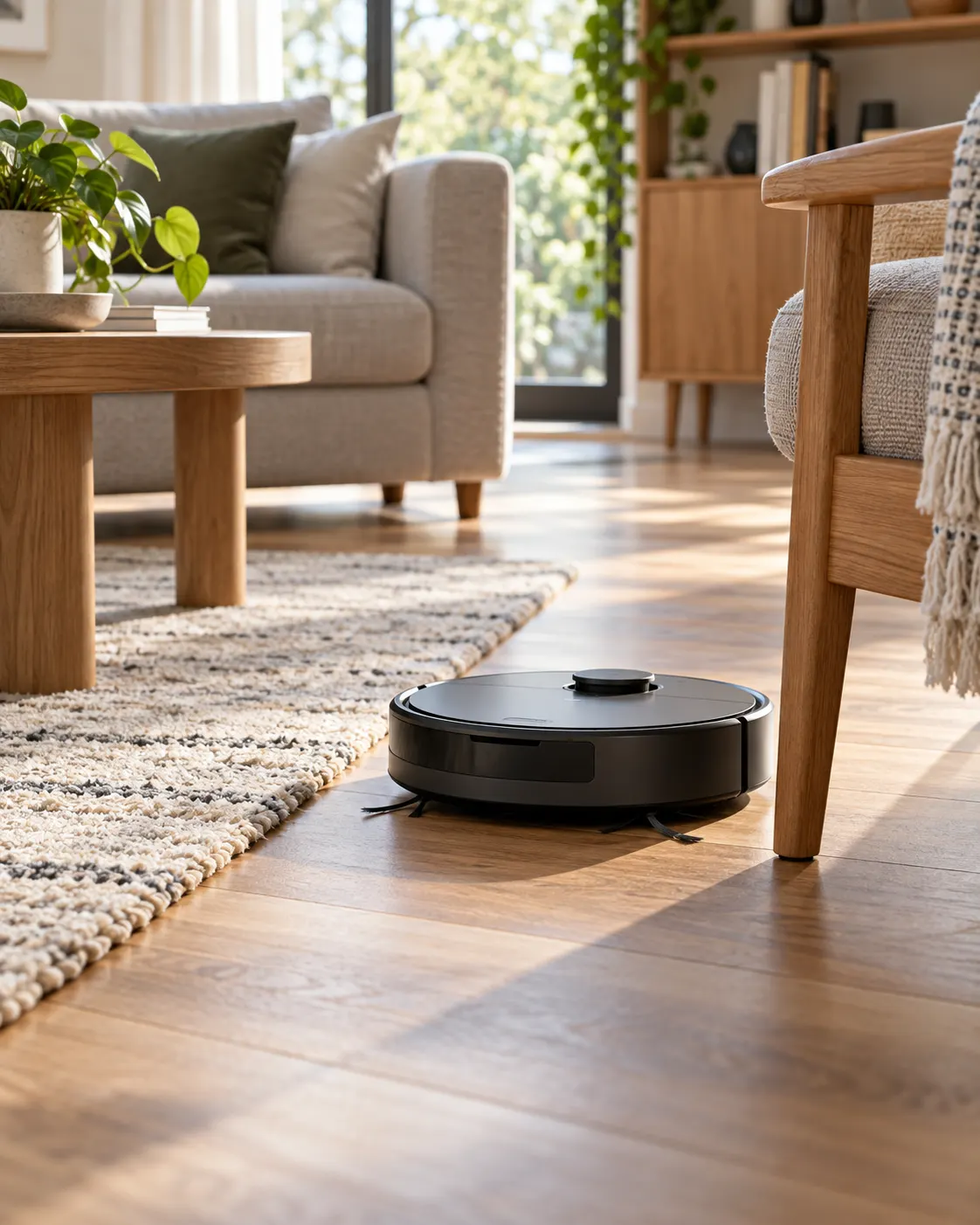
AI-generated generic household robot vacuum, unbranded. Prompt: “Photorealistic editorial image of a small modern robotic vacuum cleaner moving across a living-room floor, quietly navigating around a chair, vertical 4:5. Generic unbranded household robot, natural daylight, no logos, readable text, or exaggerated science-fiction features.” Generated 2026-10-19.
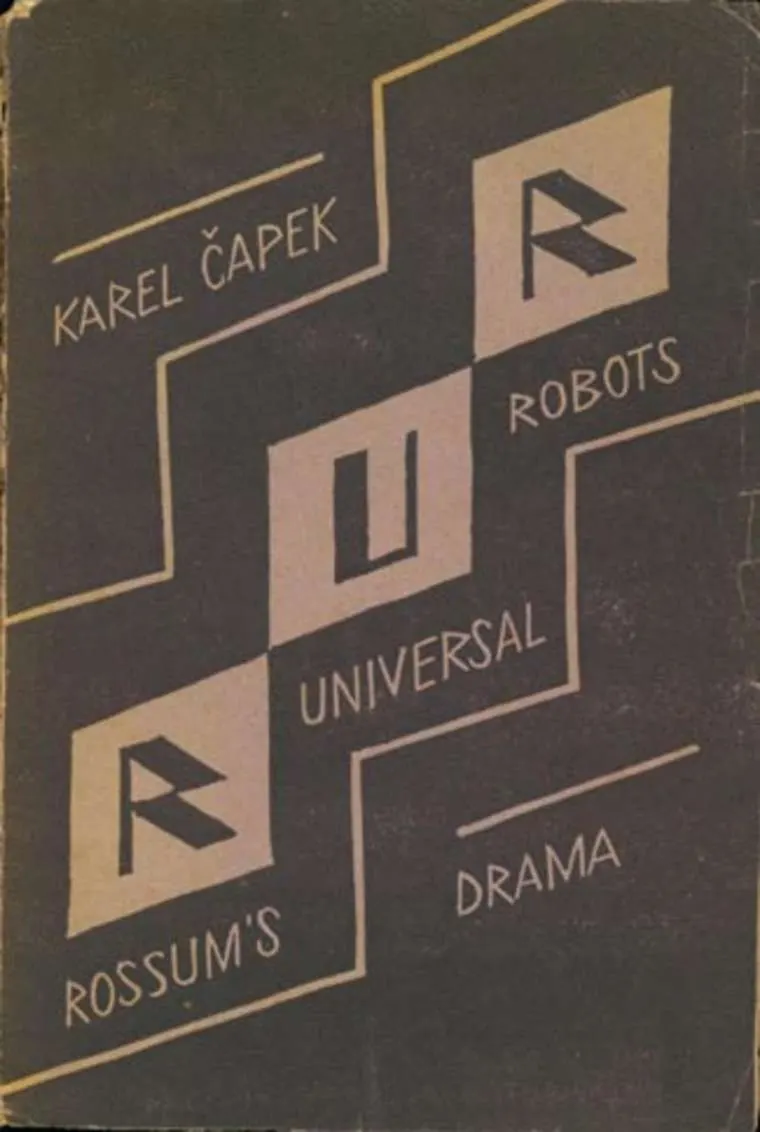
cover of the first Czech edition of *R.U.R.* (1920). Asset page: https://commons.wikimedia.org/wiki/File:Rosumovi_Univerz%C3%A1ln%C3%AD_Roboti_1920.jpg. Creator: cover designer not identified. Commons labels the image public domain; the file page says the cover is ineligible for copyright because it contains no original authorship. Attribution: “Unknown cover designer / Wikimedia Commons / public domain.” Downloaded original; no edits.
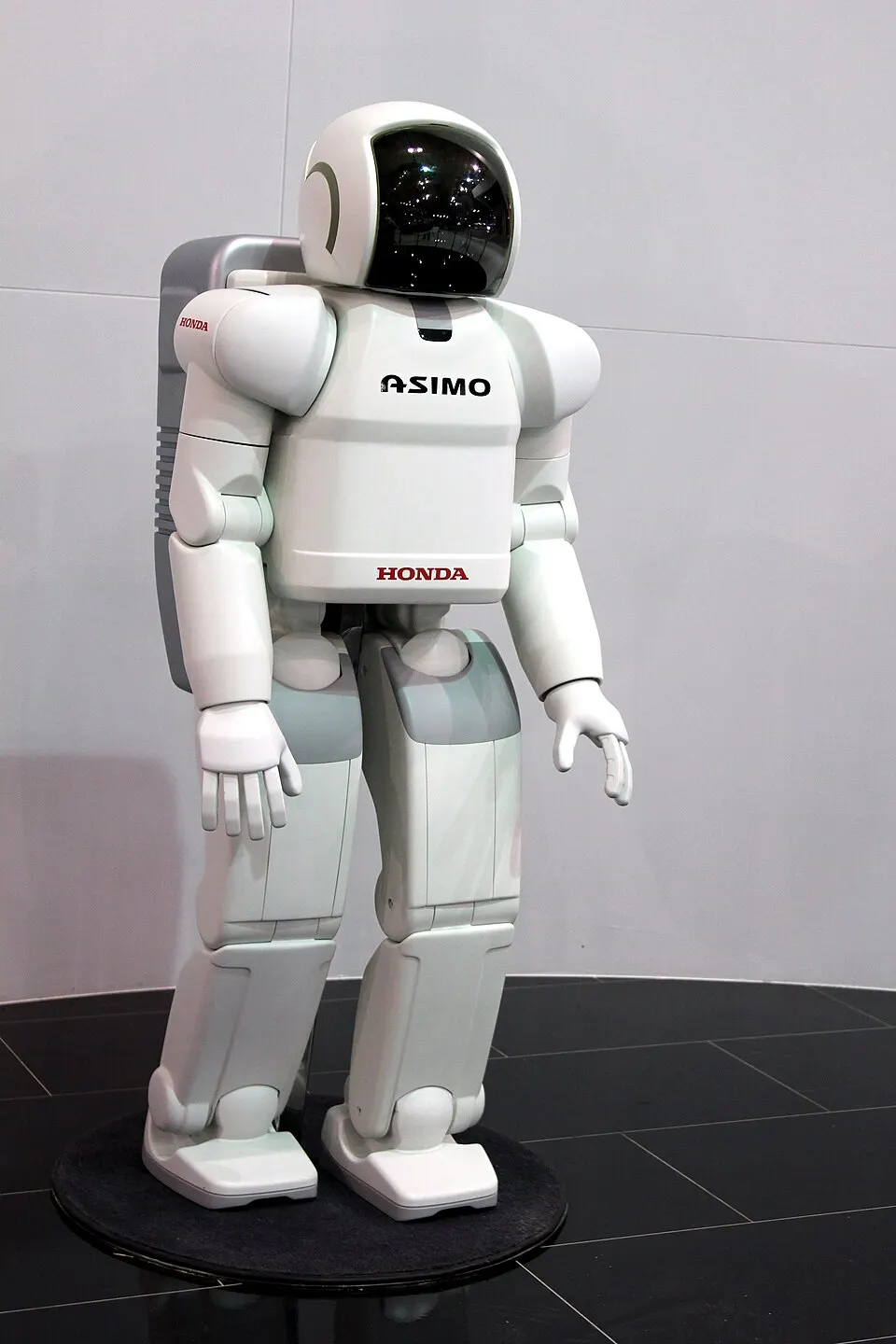
Honda ASIMO at the 2011 Johannesburg International Motor Show. Asset page: https://commons.wikimedia.org/wiki/File:Honda-asimo.jpg. Photographer: Gerald Ferreira. CC BY-SA 3.0; attribution: “Gerald Ferreira / Wikimedia Commons / CC BY-SA 3.0”; no edits. Downloaded 960px rendition.

AI-generated cover: a generic mechanical automaton in a 1920s industrial workshop, symbolizing the origins of the word robot. Not a specific R.U.R. stage production. Prompt: “Photorealistic editorial cover about the history of the word robot: a 1920s Central European industrial workshop with a human-sized mechanical automaton silhouette among factory tools, moody theatrical light, vertical 4:5. Generic symbolic scene, no actors, no recognizable R.U.R. stage design, readable text, logos, or claim to depict a specific production.” Generated 2026-10-19.

Listen to fact0:00 / —

Karel Čapek’s 1920 play *R.U.R.* introduced the word “robot” to the world, but the writer’s brother Josef suggested it, drawing on the Czech word *robota*, meaning forced labor. Isaac Asimov later formulated the Three Laws of Robotics for his fictional robots; all three first appeared together in his 1942 story “Runaround.” These are literary rules, not universal instructions built into modern devices: a robot vacuum, the research humanoid ASIMO, and the Taranis uncrewed-aircraft demonstrator have different purposes and control systems.