WattSearch
Your WattLeaderboard
Language
Autoplay narration
Appearance

Feedback

Have a question or an idea? Something not working? Send us a message.

What would you like to share?
Up to 3 files, 5 MB each, 12 MB total.
Or contact us directly

Direct contacts open a separate chat or email. Files attached here are not included.

arohalya@gmail.com
A little wonder, every day

how Caruso covered an aria
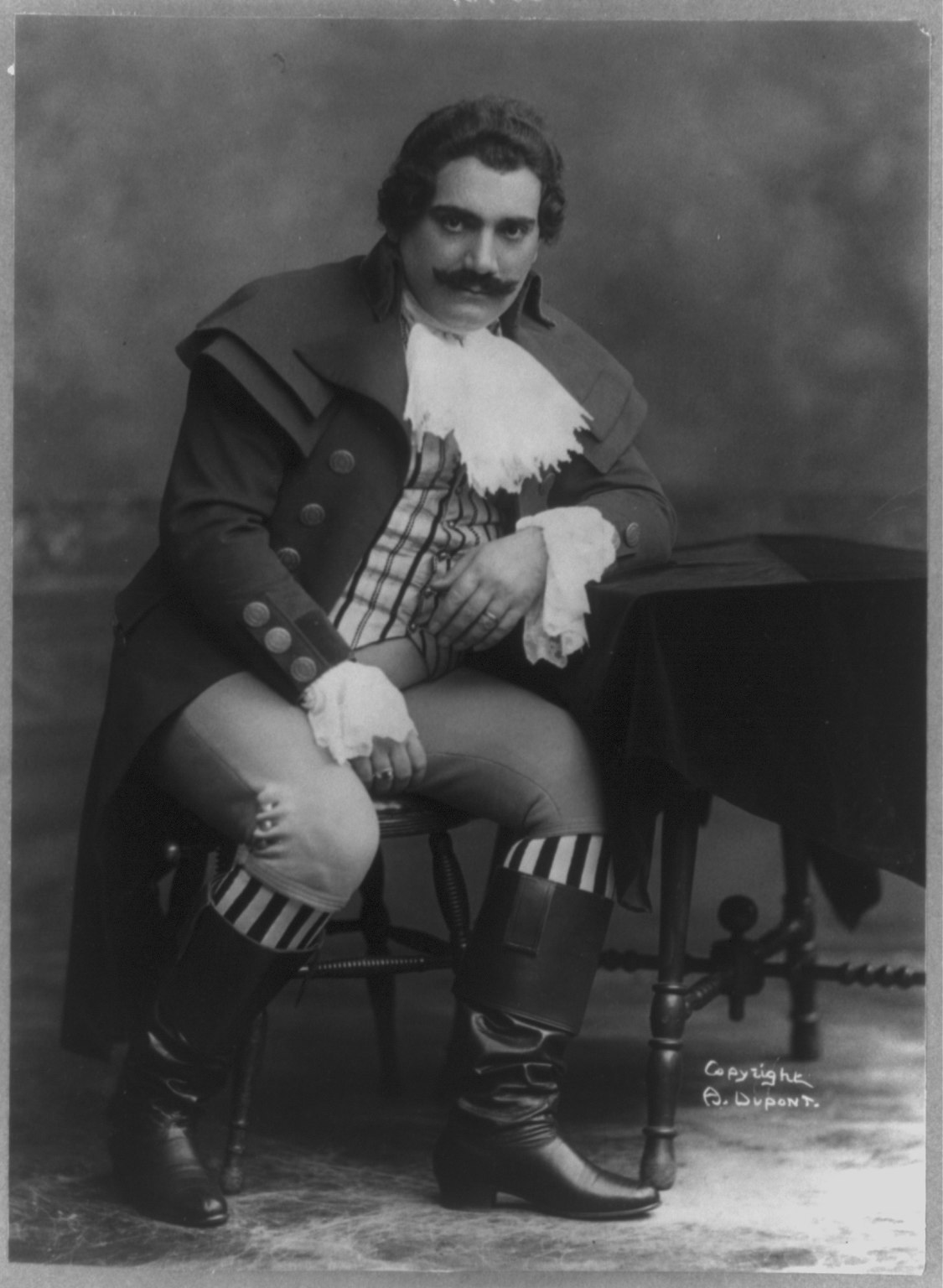
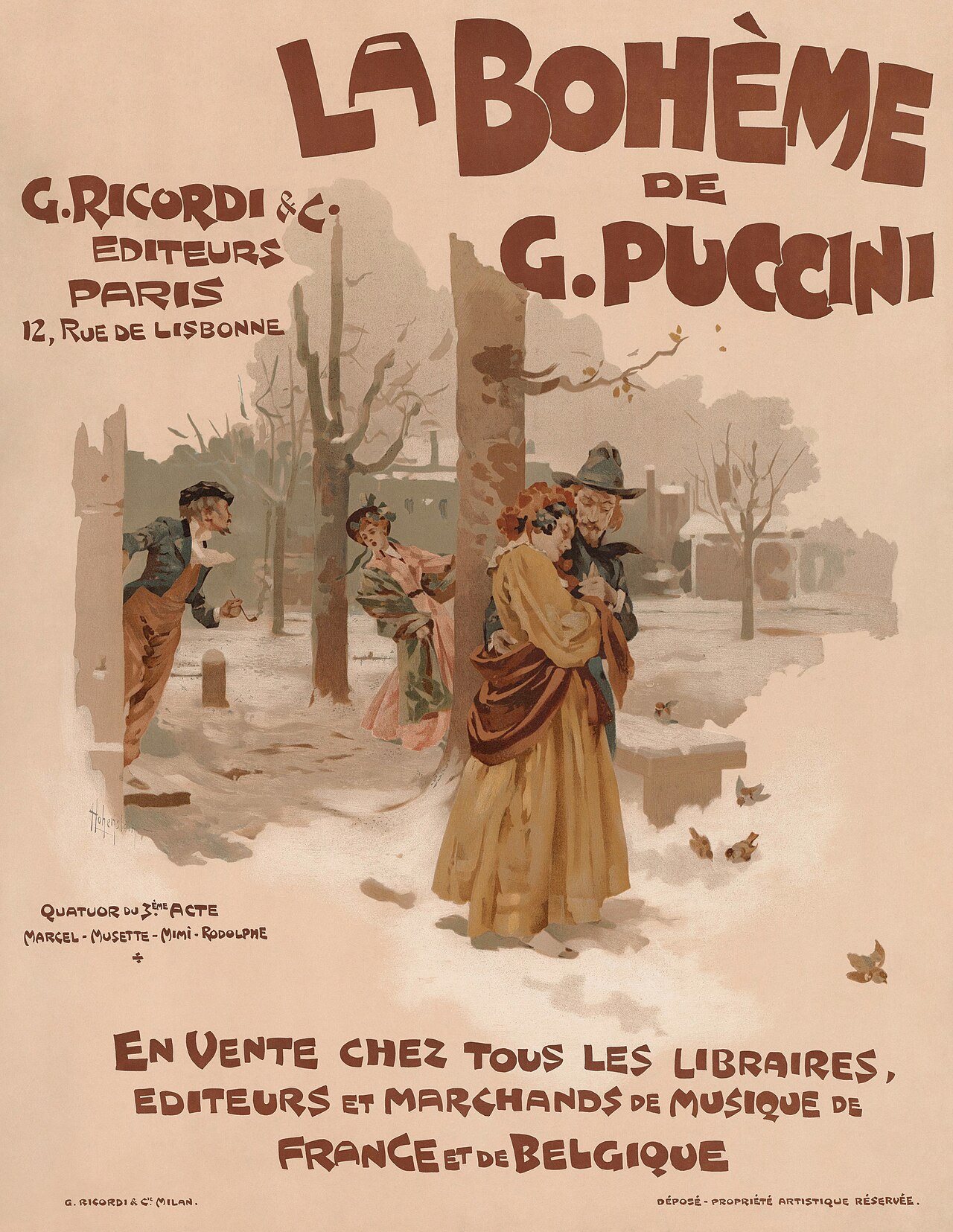
Enrico Caruso portrait, 1908, Library of Congress Prints and Photographs Division; https://commons.wikimedia.org/wiki/File:Enrico_Caruso,_1873-1921,_full-length_portrait,_seated,_facing_right_LCCN2005689666.jpg; public domain in the U.S.; no known restrictions on publication. No attribution legally required; credit the Library of Congress.
Adolf Hohenstein advertisement for the score of Puccini’s La Bohème (1895); https://commons.wikimedia.org/wiki/File:Advertisement_for_the_music_score_of_La_Boh%C3%A8me,_1895.jpg; public domain (author died 1928; U.S. publication before 1931). Credit Hohenstein / G. Ricordi & C. when practical. Served at reduced width (1200 px); no crop.

Enrico Caruso portrait, 1908, Library of Congress Prints and Photographs Division; https://commons.wikimedia.org/wiki/File:Enrico_Caruso,_1873-1921,_full-length_portrait,_seated,_facing_right_LCCN2005689666.jpg; public domain in the U.S.; no known restrictions on publication. No attribution legally required; credit the Library of Congress.

Listen to fact0:00 / —

During a Philadelphia performance of La Bohème, bass Andrés de Segurola suddenly lost his voice before the aria “Vecchia zimarra.” According to singer Frances Alda’s recollection, Enrico Caruso told him to move his lips, turned his back to the audience and sang the part himself. Alda recalled that the audience scarcely noticed the substitution. TIME published the story in 1949 as her retrospective memory. [1, 2]