Fact 1606 — Nobel recognition can come decades later


AI-generated cover: an old microscope, blank slides and a closed archival file, symbolizing scientific research that received recognition much later; not Peyton Rous’s actual laboratory or records. Prompt: “Photorealistic vertical 4:5 editorial cover about a scientific discovery receiving Nobel recognition decades later. Show an early-20th-century microscope and blank specimen slides in a quiet research laboratory, with a closed 1960s archival award file in the background, suggesting a long interval. No people, no chicken imagery, no virus illustration, no Nobel medal, no readable dates or text, no logos. Generic historical still life, not an actual Peyton Rous scene.” Generated 20 October 2026.
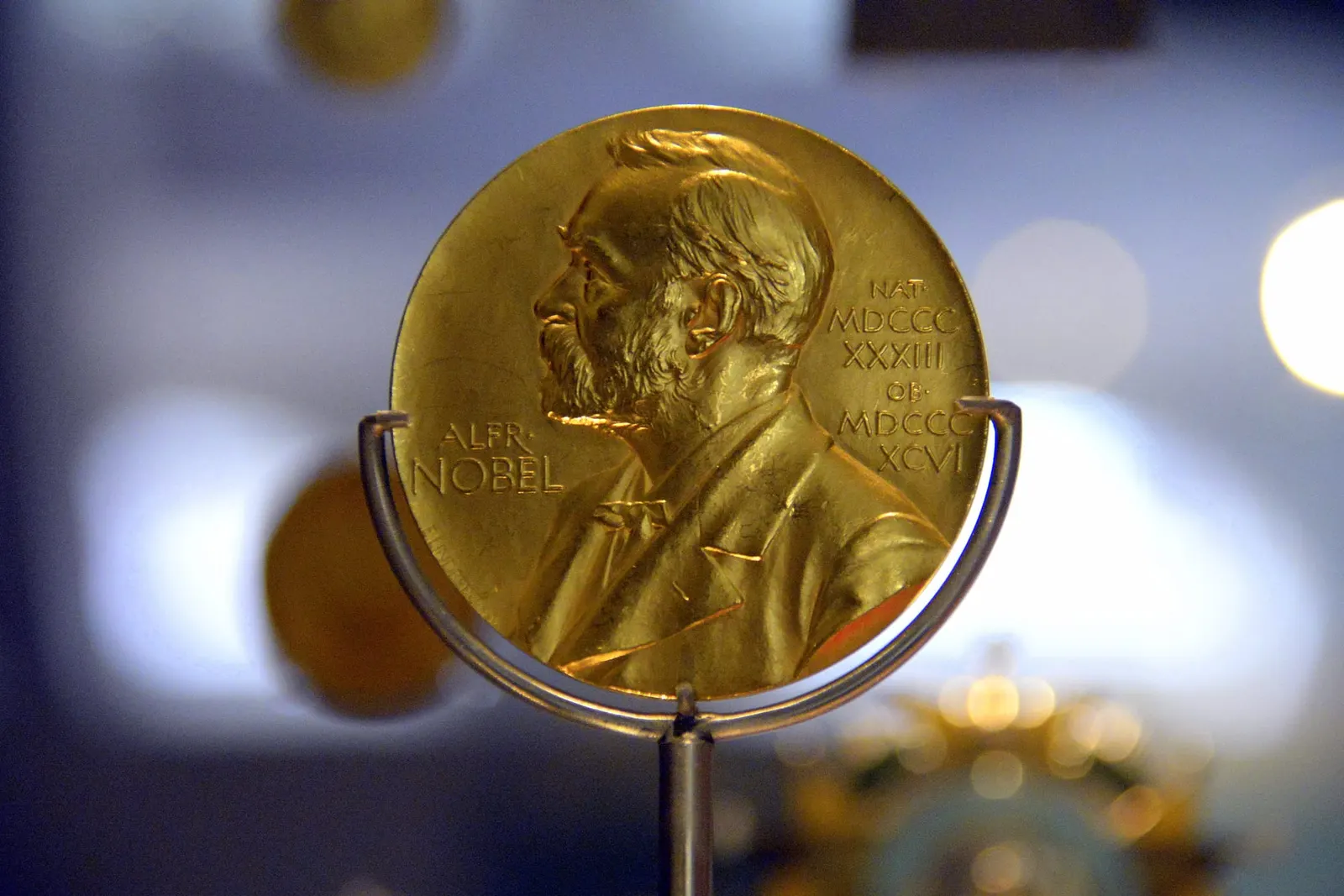
The Nobel Prize sometimes recognizes a discovery decades later: the scientific community needs time to test a result and see its significance. For example, Peyton Rous discovered a virus that causes tumours in chickens in 1916, and received the Nobel Prize in Physiology or Medicine in 1966. Under Nobel Foundation rules in force since 1974, a prize is generally not awarded posthumously; an exception applies if a laureate dies after the prize is announced.