WattSearch
Your WattLeaderboard
Language
Autoplay narration
Appearance

Feedback

Have a question or an idea? Something not working? Send us a message.

What would you like to share?
Up to 3 files, 5 MB each, 12 MB total.
Or contact us directly

Direct contacts open a separate chat or email. Files attached here are not included.

arohalya@gmail.com
A little wonder, every day

How feet skin changes in space
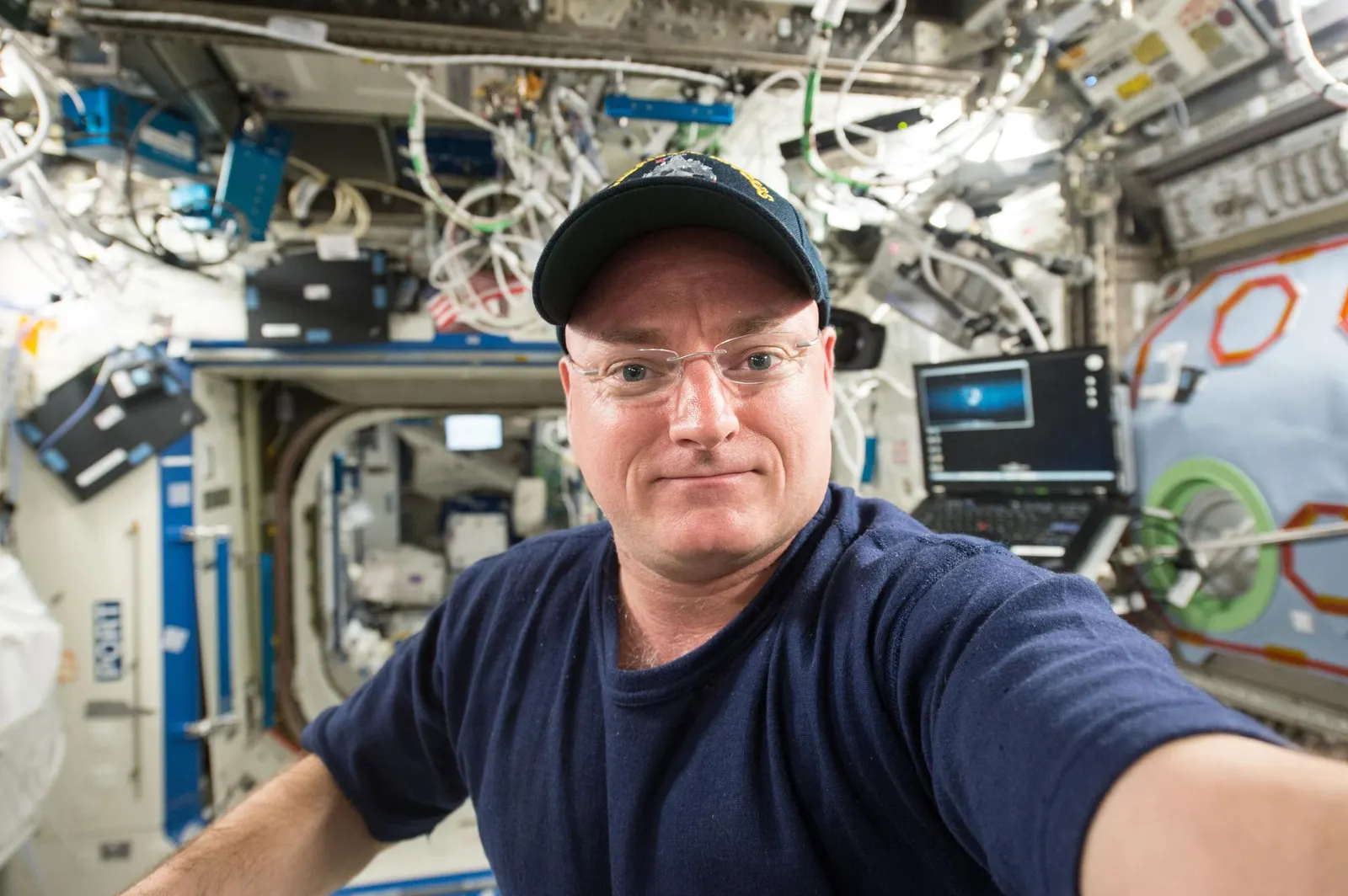
NASA image ISS043E279114, Scott Kelly aboard the ISS in the U.S. Lab during Expedition 43, 2015. NASA credit; U.S. federal public-domain work. Source: https://images-assets.nasa.gov/image/iss043e279114/iss043e279114~large.jpg. Documentary context image, not a depiction of feet or skin changes.
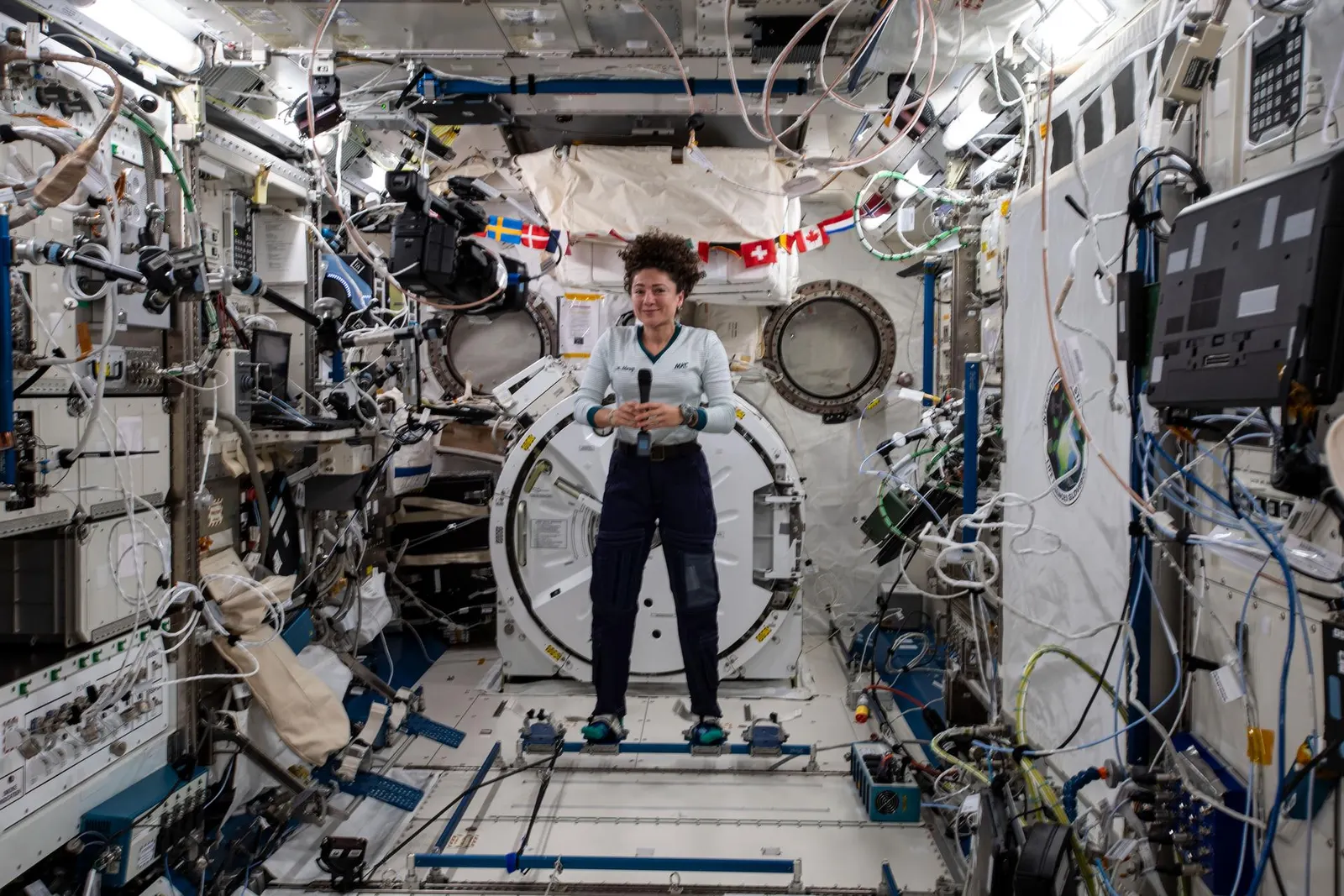
NASA image ISS061E026260, Jessica Meir attached to foot restraints in the Kibo laboratory module on 1 November 2019. NASA credit; U.S. federal public-domain work. Source: https://images-assets.nasa.gov/image/iss061e026260/iss061e026260~large.jpg. Documentary context image illustrating foot restraints, not a depiction of skin changes.

NASA image ISS043E279114, Scott Kelly aboard the ISS in the U.S. Lab during Expedition 43, 2015. NASA credit; U.S. federal public-domain work. Source: https://images-assets.nasa.gov/image/iss043e279114/iss043e279114~large.jpg. Documentary context image, not a depiction of feet or skin changes.

Listen to fact0:00 / —

In microgravity, astronauts rarely need to stand on their soles, so calluses there can gradually diminish and the skin can become softer. Astronaut Scott Kelly described the result as very soft skin, “like a newborn baby’s.” At the same time, astronauts hook the tops of their feet under handrails or footholds to move around the station; friction in those places can make the skin rougher.