WattSearch
Your WattLeaderboard
Language
Autoplay narration
Appearance

Feedback

Have a question or an idea? Something not working? Send us a message.

What would you like to share?
Up to 3 files, 5 MB each, 12 MB total.
Or contact us directly

Direct contacts open a separate chat or email. Files attached here are not included.

arohalya@gmail.com
A little wonder, every day

Fact 1647 — William Lawrence Bragg was the youngest Nobel laureate until Malala Yousafzai
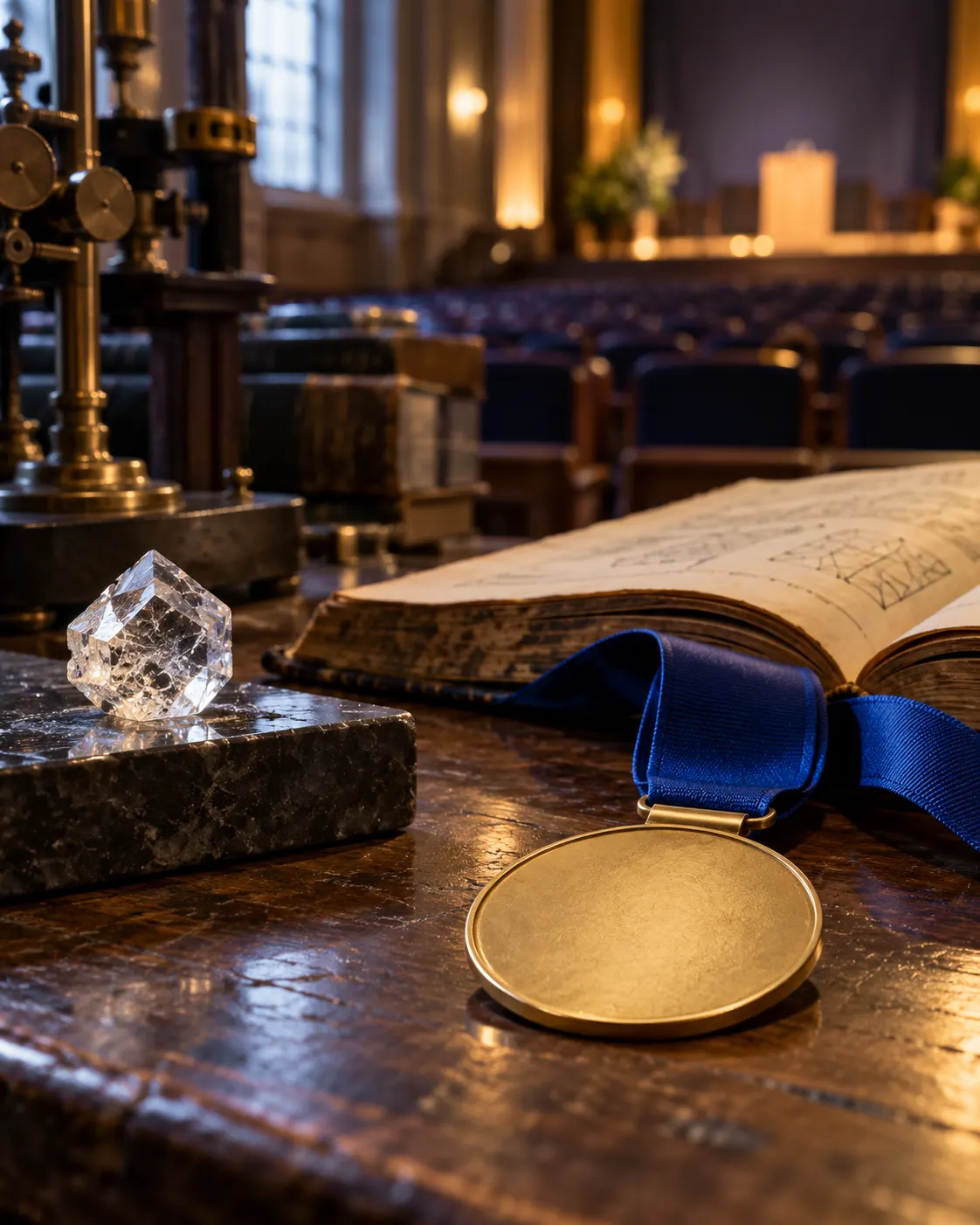
AI-generated cover image (created 2026-10-19), using a crystal, book and blank medal ribbon to evoke the age-related milestone; it contains no fabricated portraits. Exact prompt: “Photorealistic editorial cover about William Lawrence Bragg as the youngest Physics Nobel laureate and later Malala Yousafzai as youngest laureate overall: a small crystal on a physics lab bench beside a blank medal ribbon and an open age-worn book, with a distant auditorium seat softly lit, vertical 4:5. Generic symbolic still life, no portraits, no readable text or logos.”
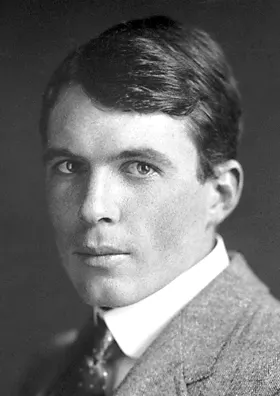
Archival portrait of William Lawrence Bragg, sourced to the Nobel Foundation and dated 1915 by its source. Wikimedia Commons: https://commons.wikimedia.org/wiki/File:Wl-bragg.jpg. Marked public domain under Swedish photographic-work provisions; jurisdiction caveat noted. Credit: Nobel Foundation via Wikimedia Commons. Copied unchanged from fact 1625.
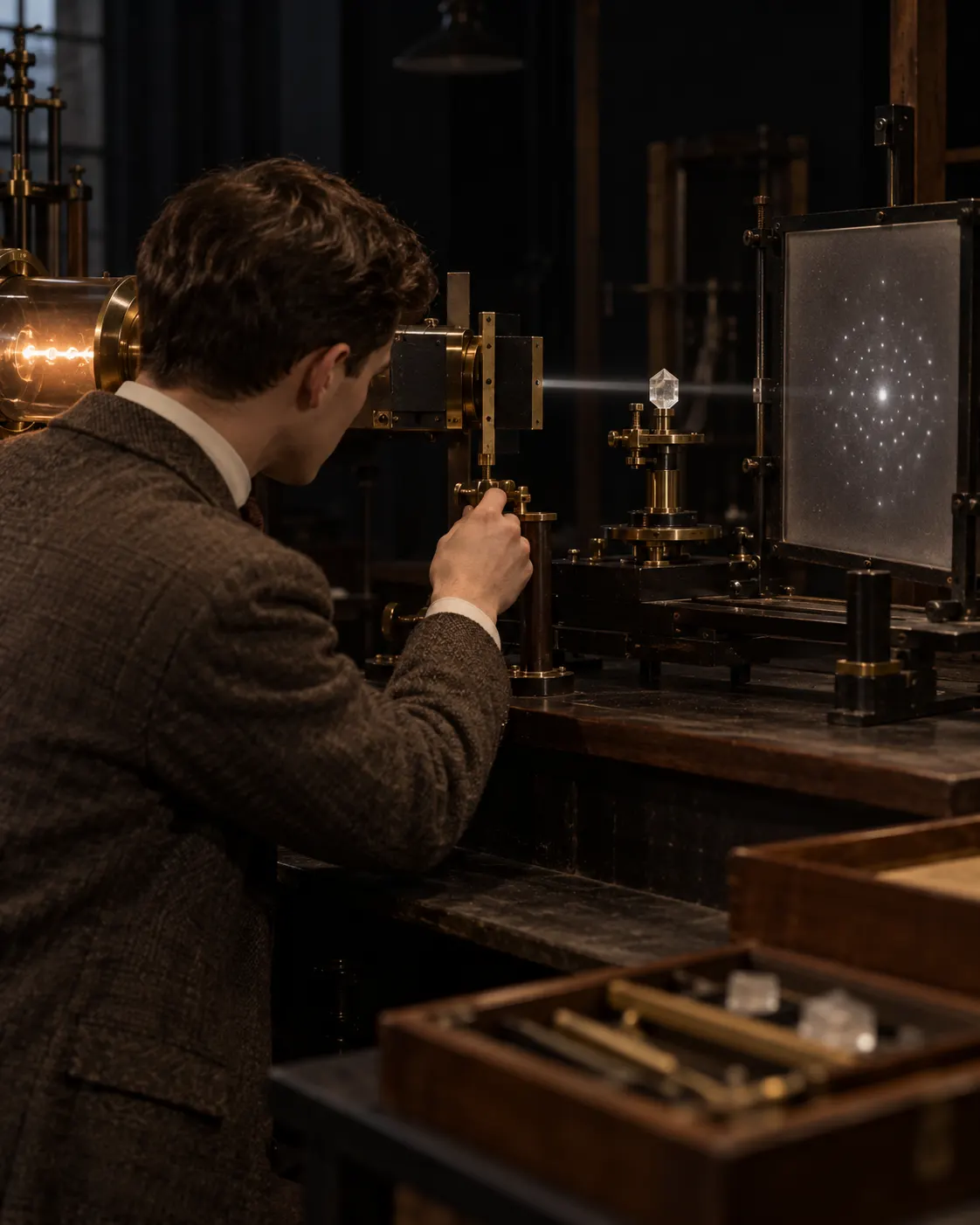
AI-generated editorial reconstruction (created 2026-10-19) of an anonymous young physicist working with an early X-ray crystallography apparatus; not a photograph of Bragg. Exact prompt: “Photorealistic editorial reconstruction of an early 20th-century X-ray crystallography experiment: a young anonymous physicist in period clothing adjusting a brass instrument aimed at a small crystal, darkened laboratory with a faint diffraction pattern visible on a photographic plate, vertical 4:5. Illustrative reconstruction, not a photograph of William Lawrence Bragg, no readable text or labels.”
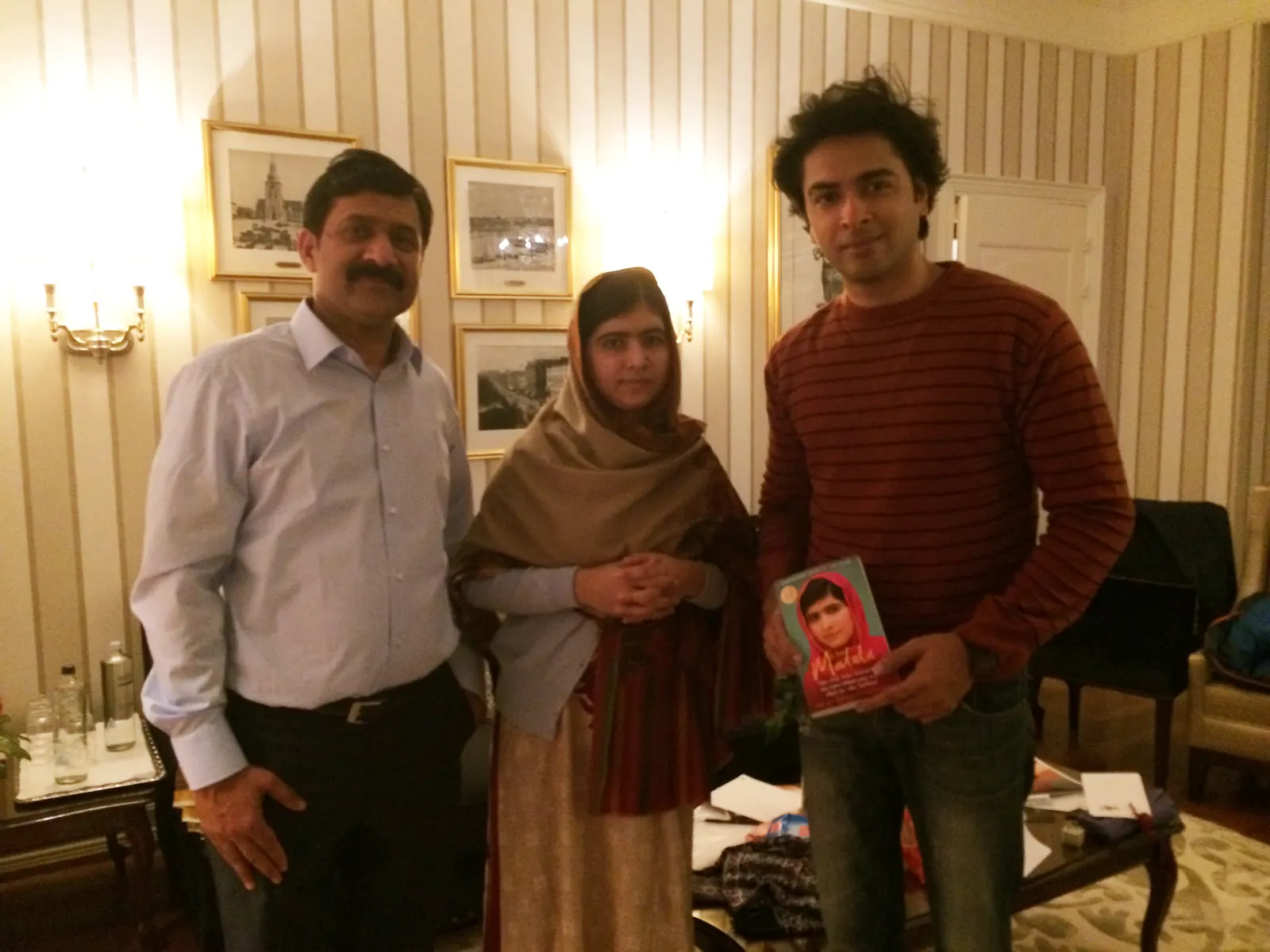
Documentary photo of Malala Yousafzai with Shehzad Roy at the Nobel Peace Prize ceremony in Oslo in December 2014. Photographer Faisalahmedqureshi. Wikimedia Commons: https://commons.wikimedia.org/wiki/File:Shehzad_Roy_and_Malala_Yousafzai_at_the_Nobel_Peace_Prize_Ceremony.JPG; CC BY-SA 4.0. Attribution and ShareAlike apply: https://creativecommons.org/licenses/by-sa/4.0/. Copied unchanged from fact 1624.
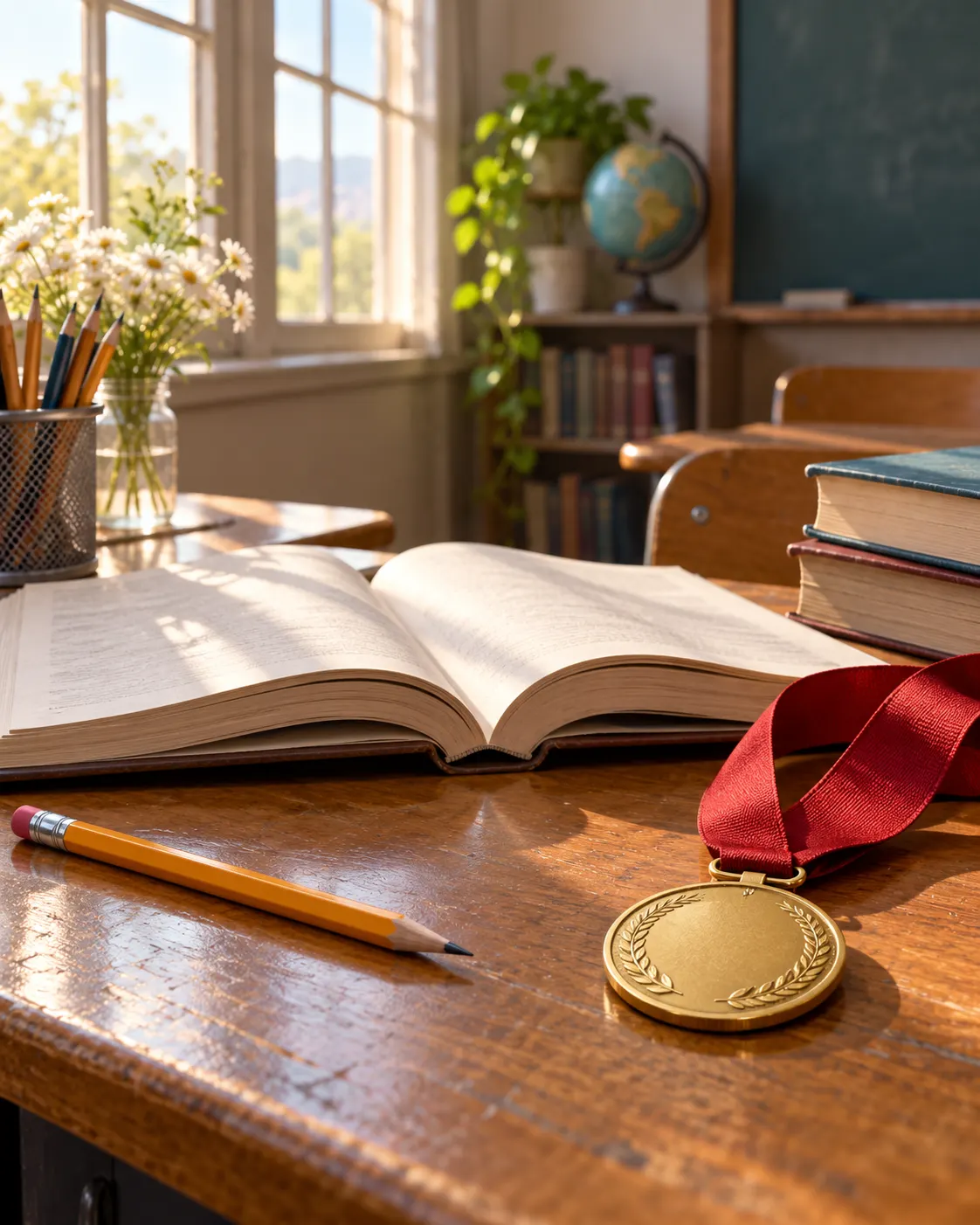
AI-generated symbolic illustration (created 2026-10-19) about girls’ education and recognition, with no person depicted. Exact prompt: “Photorealistic editorial still life about girls' education and recognition: an open schoolbook, a sharpened pencil, and a simple blank medal ribbon on a classroom desk beside a sunlit window, no people visible, vertical 4:5. Generic symbolic scene, no readable text or logos, not depicting any specific laureate.”

AI-generated cover image (created 2026-10-19), using a crystal, book and blank medal ribbon to evoke the age-related milestone; it contains no fabricated portraits. Exact prompt: “Photorealistic editorial cover about William Lawrence Bragg as the youngest Physics Nobel laureate and later Malala Yousafzai as youngest laureate overall: a small crystal on a physics lab bench beside a blank medal ribbon and an open age-worn book, with a distant auditorium seat softly lit, vertical 4:5. Generic symbolic still life, no portraits, no readable text or logos.”

Listen to fact0:00 / —

William Lawrence Bragg received half of the 1915 Nobel Prize in Physics at age 25; his father, William Henry Bragg, received the other half. For nearly a century, Lawrence Bragg was considered the youngest Nobel laureate. In 2014, Malala Yousafzai received the Nobel Peace Prize at age 17 and became the youngest laureate overall. Bragg remains the youngest laureate in physics.