WattSearch
Your WattLeaderboard
Language
Autoplay narration
Appearance

Feedback

Have a question or an idea? Something not working? Send us a message.

What would you like to share?
Up to 3 files, 5 MB each, 12 MB total.
Or contact us directly

Direct contacts open a separate chat or email. Files attached here are not included.

arohalya@gmail.com
A little wonder, every day

Fact 2257 — Tozkoparan İskender’s archery record
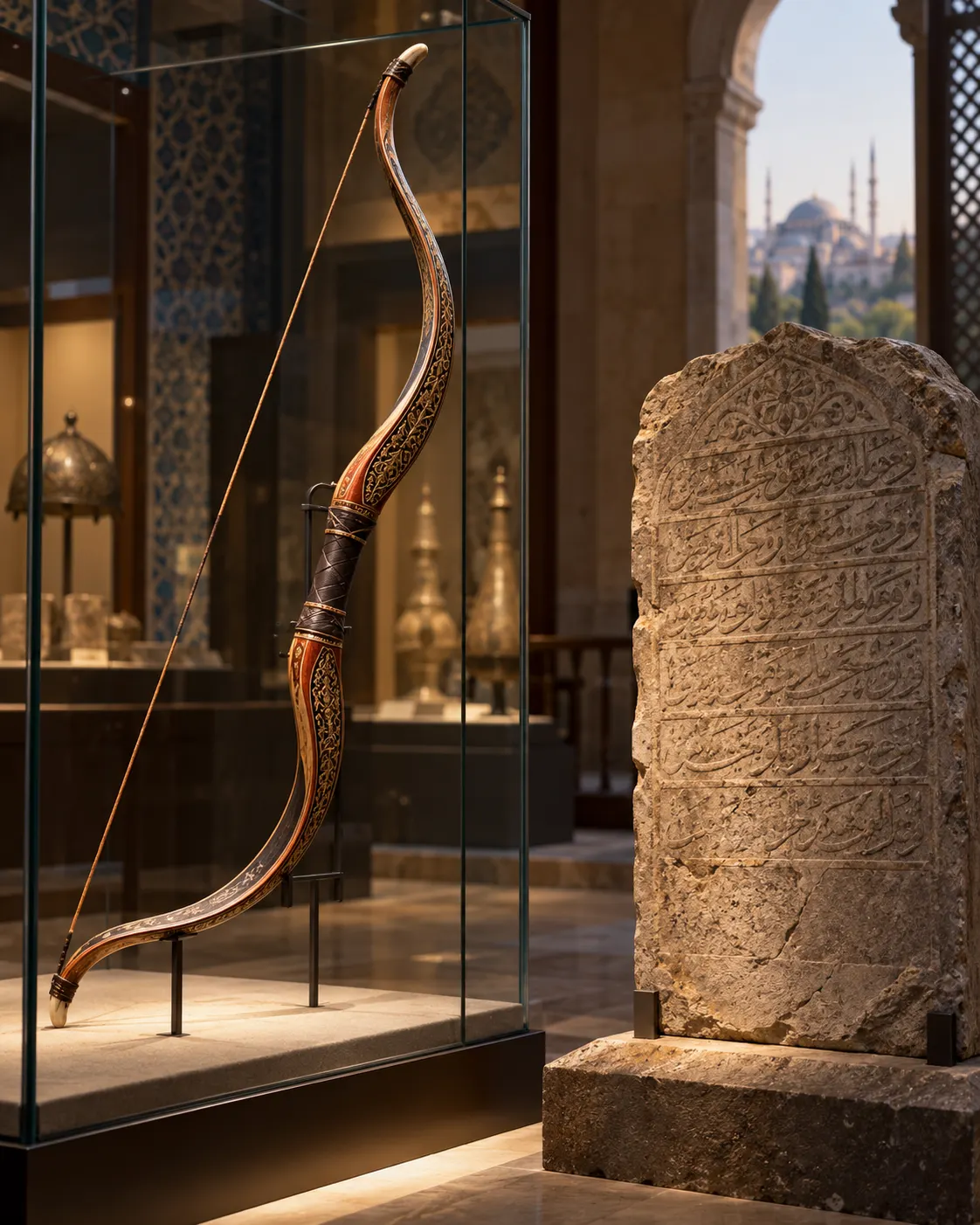
AI-generated with OpenAI image generation. Prompt: “Photorealistic editorial cover for an accessible history article about Ottoman distance archery. An Ottoman-style traditional composite bow displayed in a museum case beside an old stone inscription tablet with weathered but unreadable calligraphy, no archers, no arrows in flight, no logos, no readable text. Scholarly artifact lighting, portrait 4:5.”
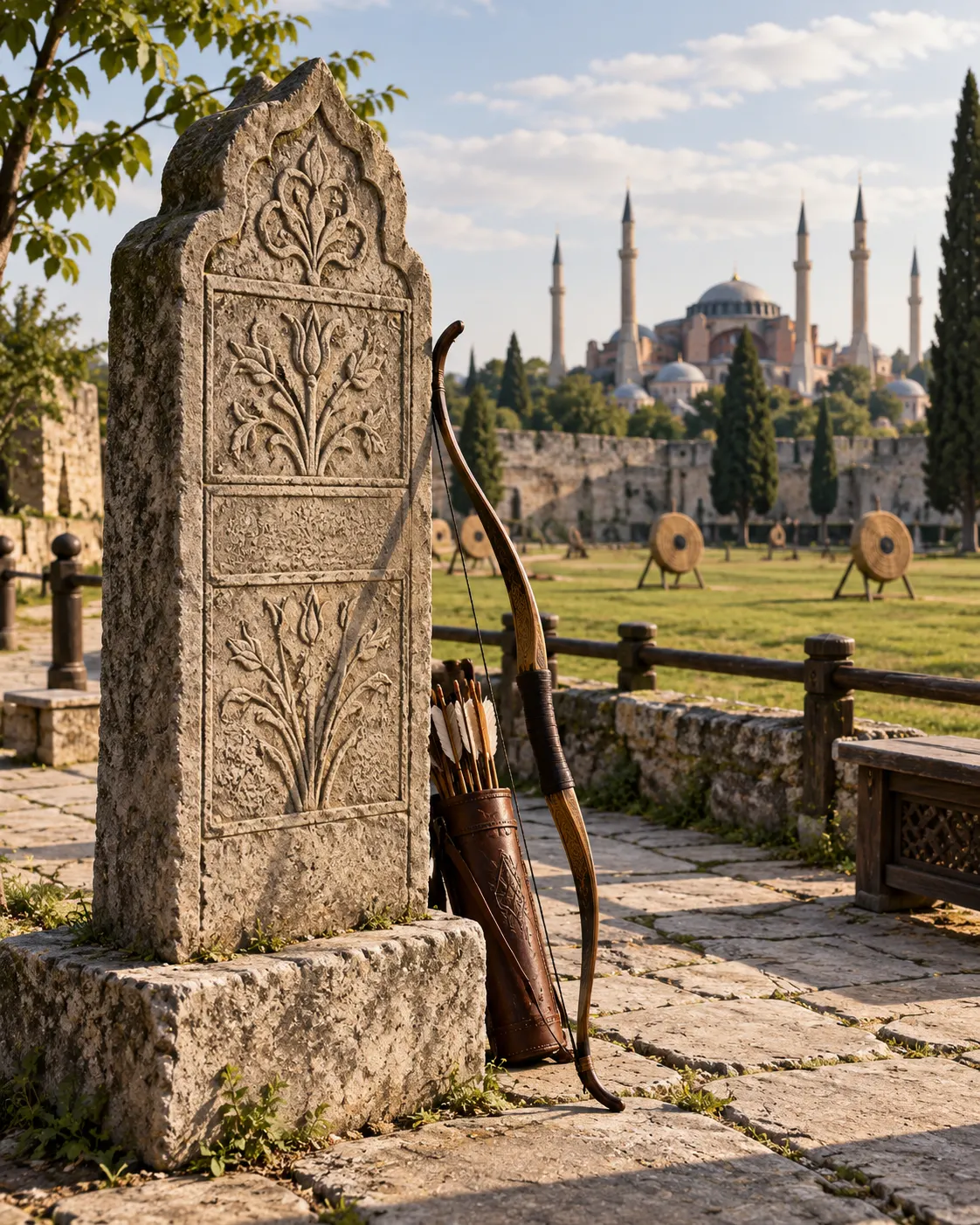
AI-generated with OpenAI image generation. Prompt: “Distinct photorealistic historical scene at a quiet Ottoman archery ground in Istanbul: a carved record stone stands on a stone path with a traditional archer's bow resting nearby, no people, no shooting, no readable inscription, no flags or logos. Soft afternoon documentary lighting, historical reconstruction, portrait 4:5.”

AI-generated with OpenAI image generation. Prompt: “Photorealistic editorial cover for an accessible history article about Ottoman distance archery. An Ottoman-style traditional composite bow displayed in a museum case beside an old stone inscription tablet with weathered but unreadable calligraphy, no archers, no arrows in flight, no logos, no readable text. Scholarly artifact lighting, portrait 4:5.”

Listen to fact0:00 / —

Tozkoparan İskender was a celebrated Ottoman archer credited with an exceptional shooting distance. A study of Ottoman distance archery links his record to an inscription on a stone at Okmeydanı: 1,281.5 cubits, which the authors convert to about 846 meters. This is a historical record and its modern conversion, not a measurement made with a modern instrument. The careful wording is “according to the historical record inscription and its interpretation.”