WattSearch
Your WattLeaderboard
Language
Autoplay narration
Appearance

Feedback

Have a question or an idea? Something not working? Send us a message.

What would you like to share?
Up to 3 files, 5 MB each, 12 MB total.
Or contact us directly

Direct contacts open a separate chat or email. Files attached here are not included.

arohalya@gmail.com
A little wonder, every day

cinema did not find its voice overnight
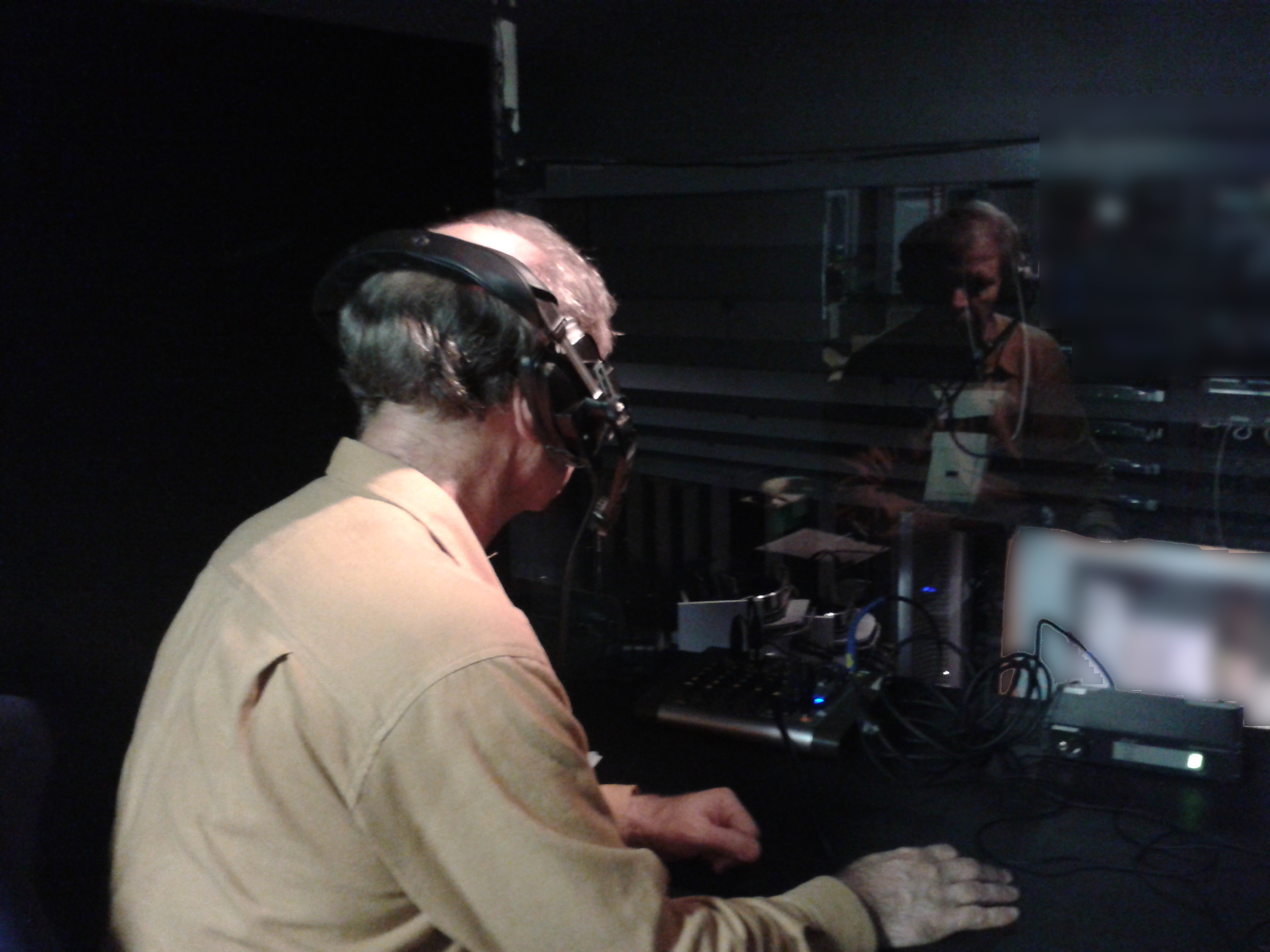
an audio describer working at a live-theater sound desk; creator MOAI12; public domain dedication by the creator; attribution optional, retained here as credit. Original: https://commons.wikimedia.org/wiki/File:Audio_describer_in_live_theater.jpg
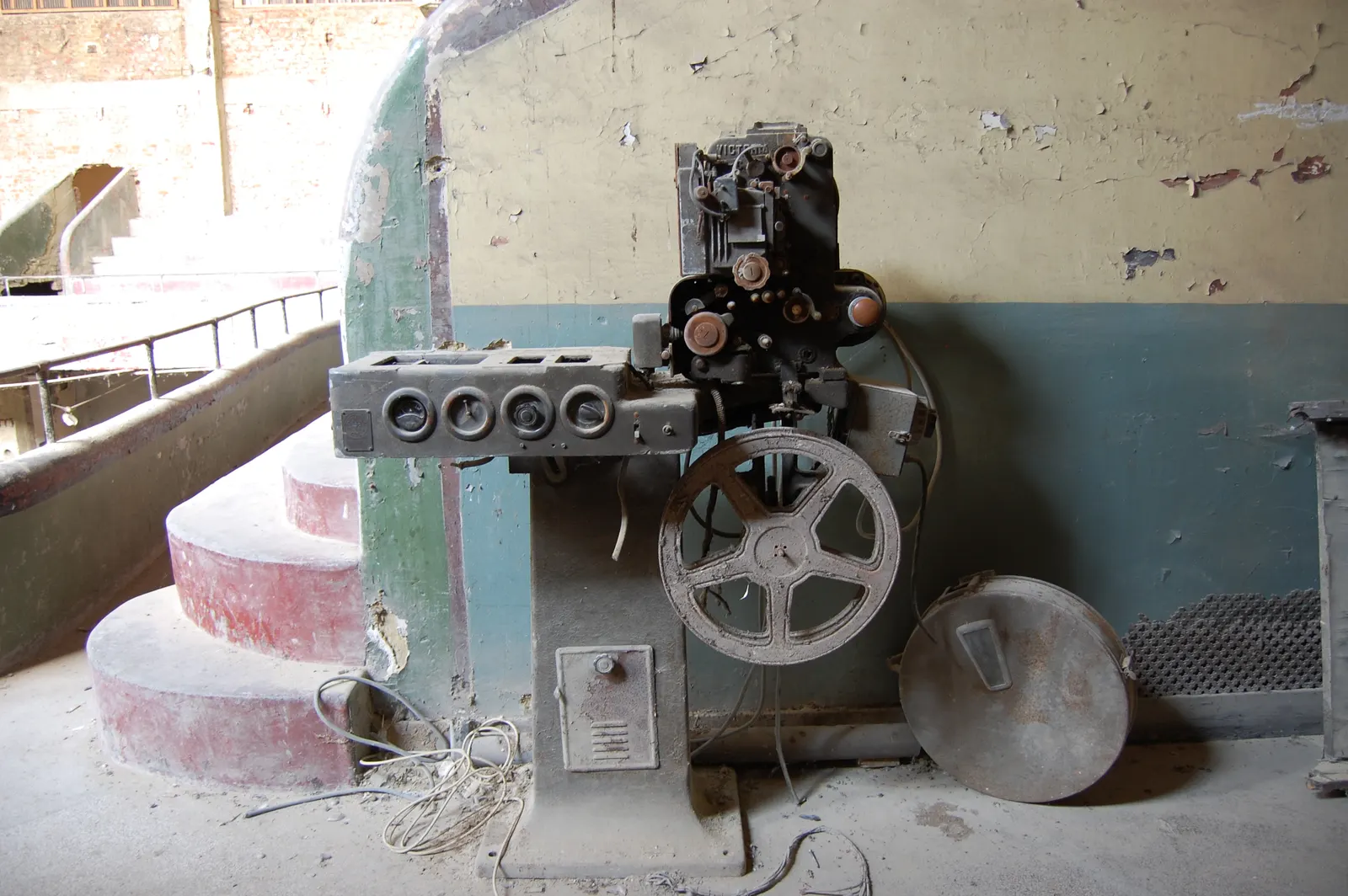
a film projector in an abandoned theater; creator P.J.L Laurens; CC BY-SA 3.0; credit “P.J.L Laurens / Wikimedia Commons”; license https://creativecommons.org/licenses/by-sa/3.0/; unchanged. Original: https://commons.wikimedia.org/wiki/File:Movie_projector.JPG
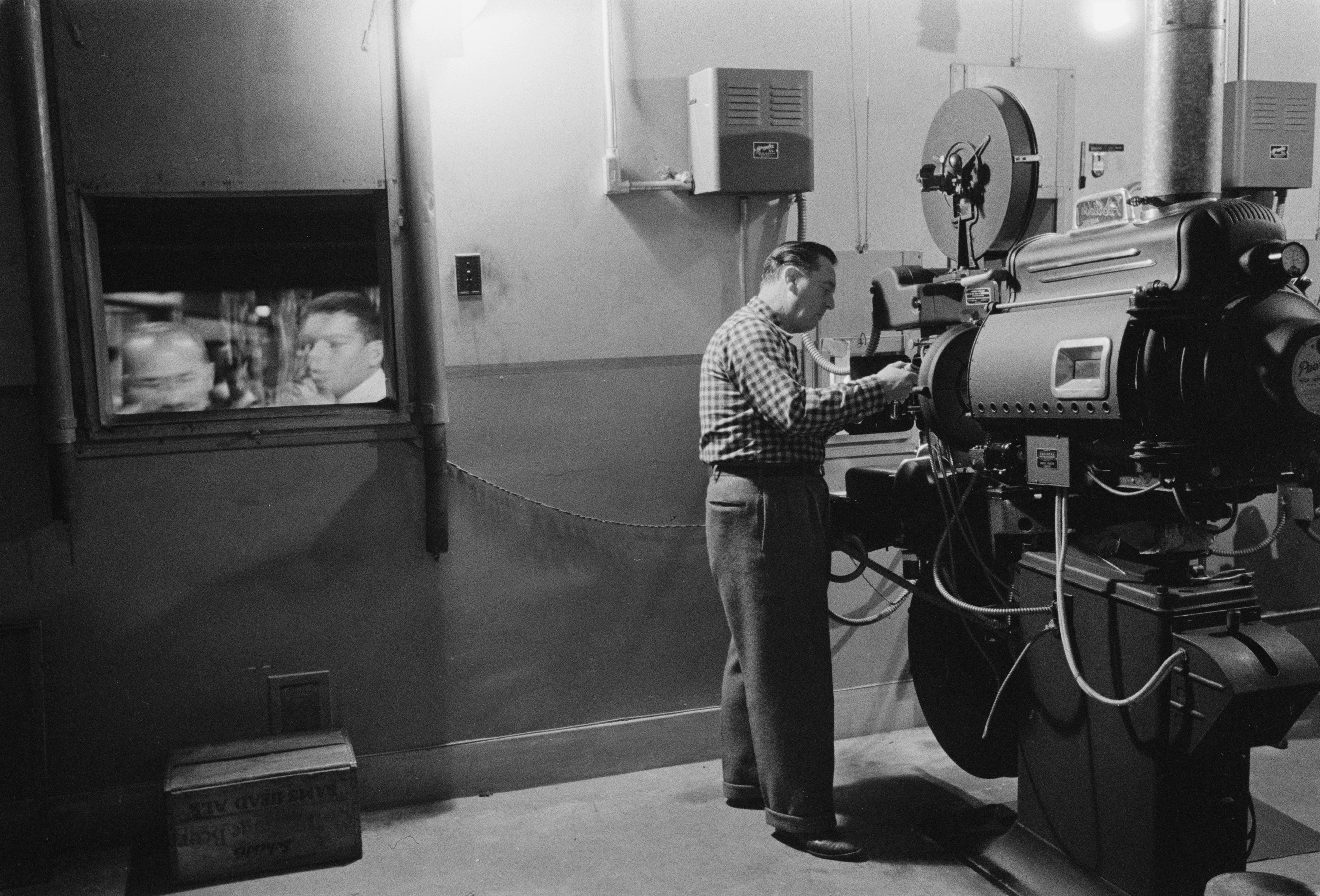
projectionist operating cinema equipment in 1958; photograph Marion S. Trikosko, Library of Congress; no known copyright restrictions per LoC; attribution “Marion S. Trikosko, U.S. News & World Report Magazine Photograph Collection, Library of Congress”; unchanged. Original: https://commons.wikimedia.org/wiki/File:Man_working_with_a_projector_in_a_movie_theater_1958.jpg

an audio describer working at a live-theater sound desk; creator MOAI12; public domain dedication by the creator; attribution optional, retained here as credit. Original: https://commons.wikimedia.org/wiki/File:Audio_describer_in_live_theater.jpg

Listen to fact0:00 / —

Sound cinema did not begin with The Jazz Singer. In 1922, short films using the Tri-Ergon sound-on-film process were publicly demonstrated in Berlin. Released in 1927, The Jazz Singer had synchronized songs and brief dialogue, and helped make sound films a commercial breakthrough.