WattSearch
Your WattLeaderboard
Language
Autoplay narration
Appearance

Feedback

Have a question or an idea? Something not working? Send us a message.

What would you like to share?
Up to 3 files, 5 MB each, 12 MB total.
Or contact us directly

Direct contacts open a separate chat or email. Files attached here are not included.

arohalya@gmail.com
A little wonder, every day

The Chinese compass

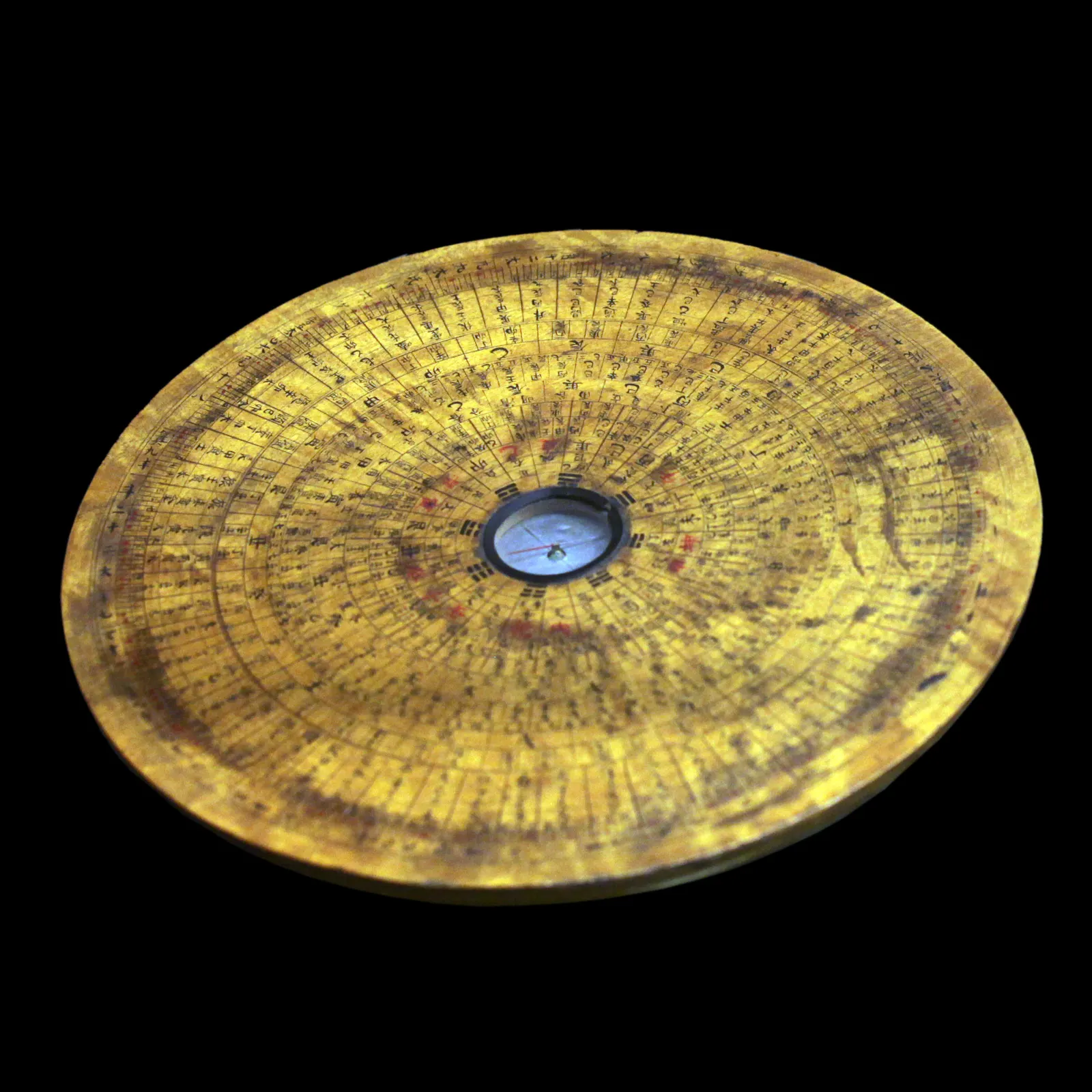
photo of a replica Chinese compass in Musée des Arts et Métiers, collection CnAM 7460; Wikimedia Commons category documents it as a replica, 19th-century-before-1866 reconstruction. Image author Rama; CC BY-SA 3.0-fr / 2.0-fr (and CeCILL); https://commons.wikimedia.org/wiki/Category:Chinese_compass_-_CnAM_7460. Clearly presented as a later reconstruction, not an excavated Song artifact.
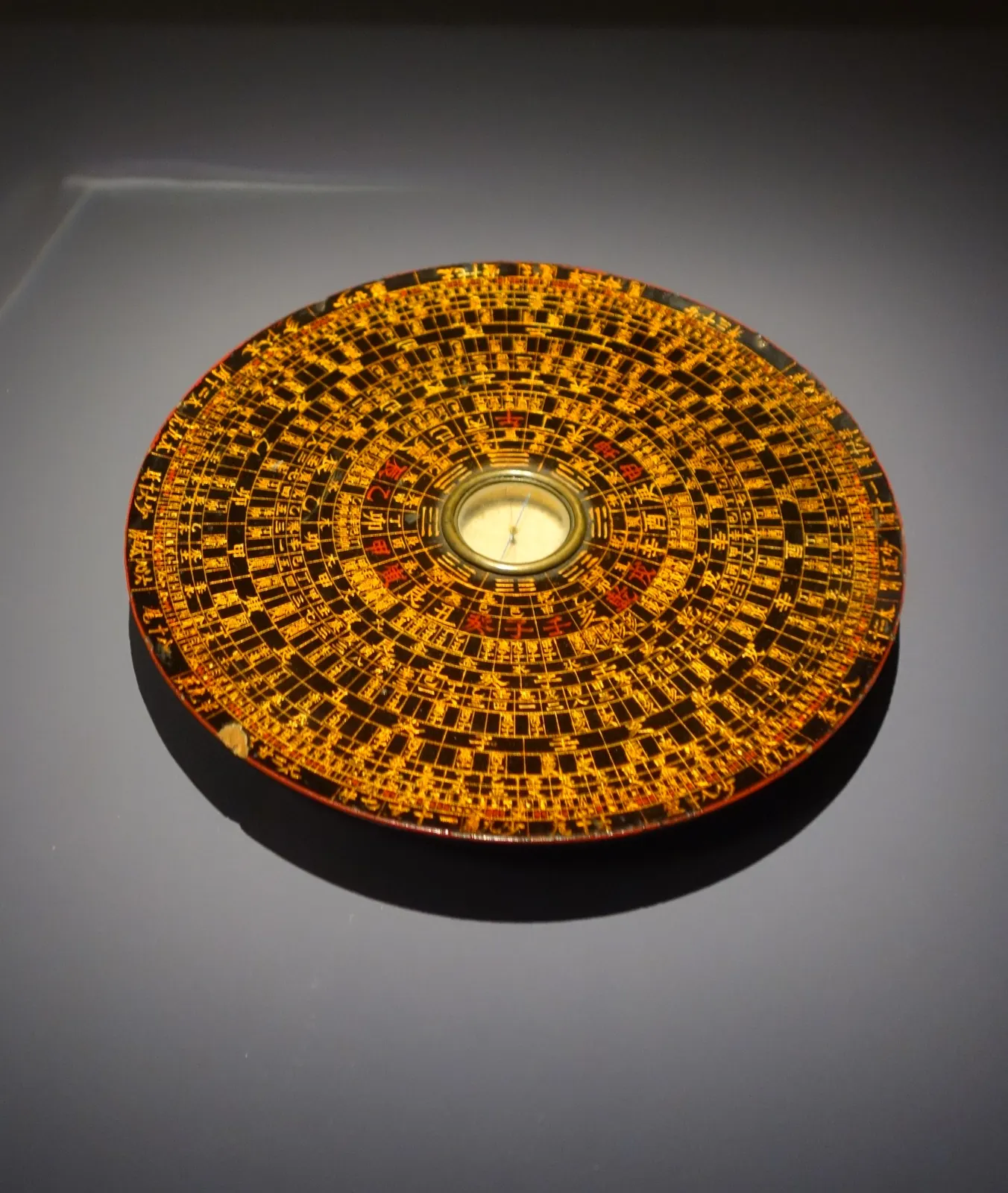
19th-century Qing dynasty fengshui compass (luopan) in Musée Guimet, Paris; photograph by Serein, CC BY-SA 4.0; https://commons.wikimedia.org/wiki/File:Fengshui_Compass_-_Luopan.jpg. A later surviving historical instrument, included as context rather than evidence of the Song compass.

photo of a replica Chinese compass in Musée des Arts et Métiers, collection CnAM 7460; Wikimedia Commons category documents it as a replica, 19th-century-before-1866 reconstruction. Image author Rama; CC BY-SA 3.0-fr / 2.0-fr (and CeCILL); https://commons.wikimedia.org/wiki/Category:Chinese_compass_-_CnAM_7460. Clearly presented as a later reconstruction, not an excavated Song artifact.

Listen to fact0:00 / —

In Song-dynasty China, a magnetized needle was first described in texts about divination and finding direction, while early twelfth-century evidence indicates sailors used a compass. These are important early records of the compass, but they do not establish exactly when the instrument itself was invented. European references appear in the late twelfth century; the route by which the technology may have traveled from China to the West remains debated, so it is not settled.