WattSearch
Your WattLeaderboard
Language
Autoplay narration
Appearance

Feedback

Have a question or an idea? Something not working? Send us a message.

What would you like to share?
Up to 3 files, 5 MB each, 12 MB total.
Or contact us directly

Direct contacts open a separate chat or email. Files attached here are not included.

arohalya@gmail.com
A little wonder, every day

Malevich: faces replaced by symbols
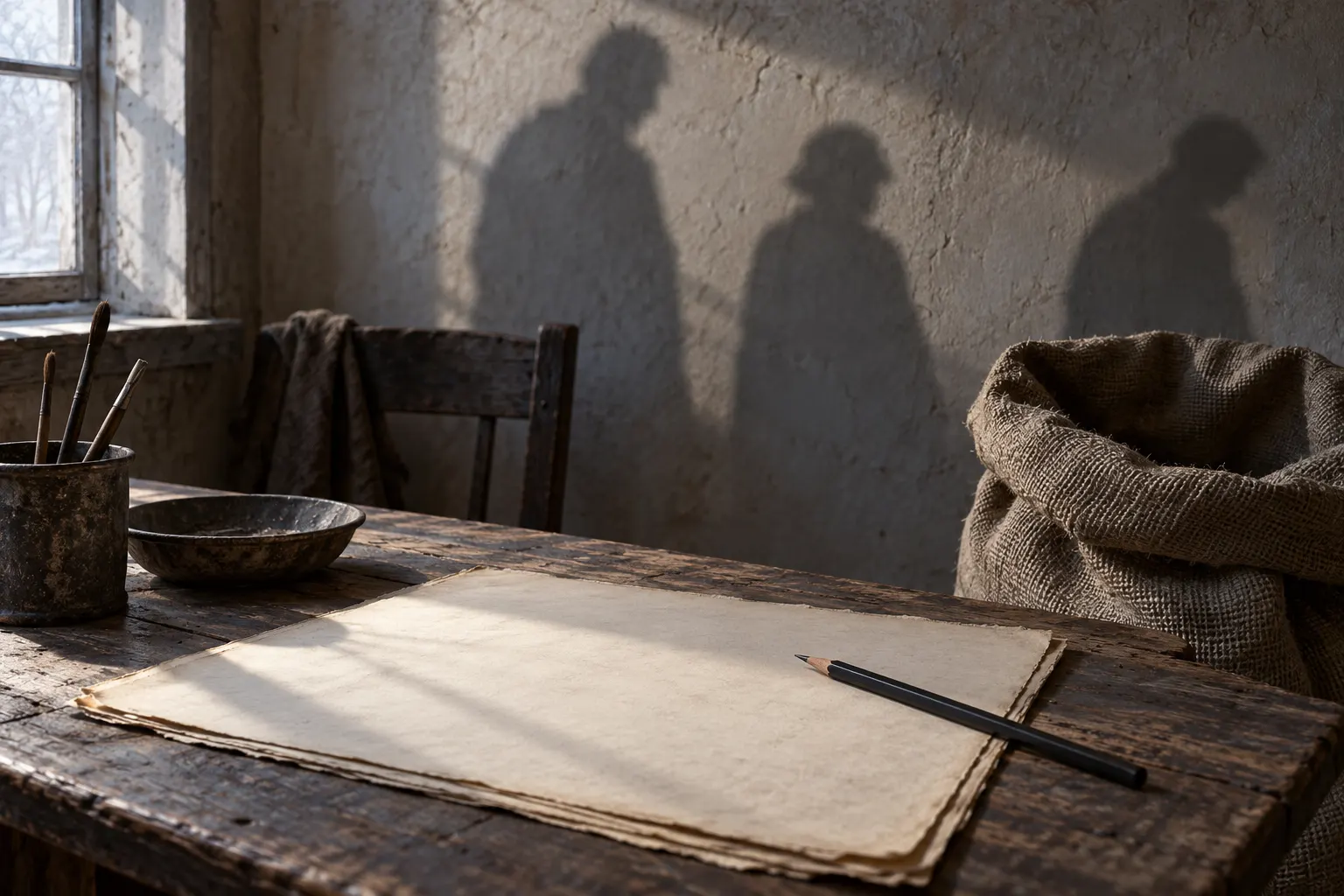
Титульна AI-згенерована ілюстрація / AI-generated cover illustration. Respectful symbolic illustration: blank drawing paper, pencil, empty grain sack and three human shadows; not a documentary image of Holodomor victims or a reproduction of the drawing.
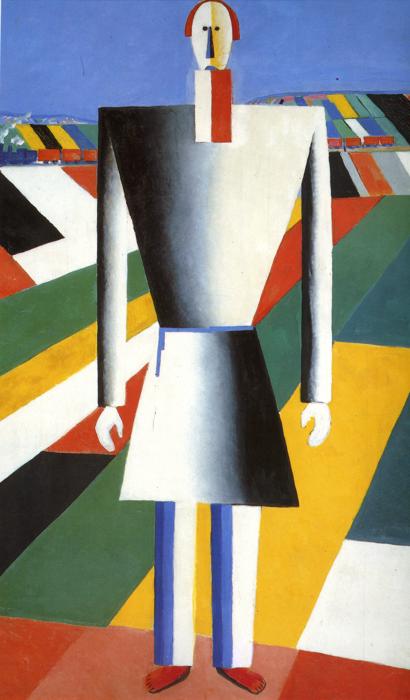
Селянин у полі, пізня селянська композиція Малевича / Peasant in the Fields, a later Malevich peasant composition. Context for his figurative vocabulary; not itself labelled as a specific Holodomor scene.
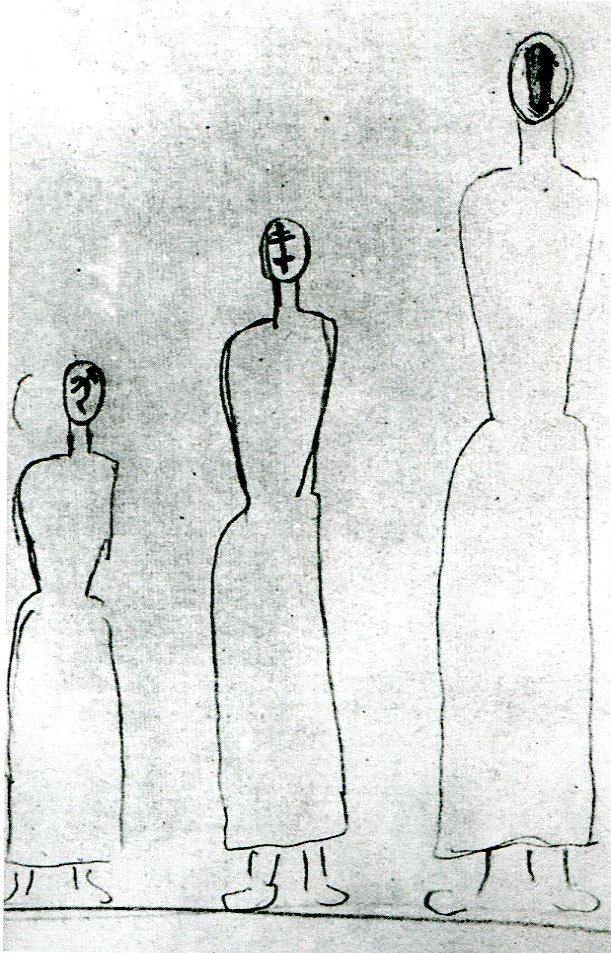
Музейна репродукція малюнка «Де серп і молот, там смерть і голод» / Museum reproduction of Where There Is a Sickle and Hammer, There Is Death and Hunger. Full reproduction showing all three figures and facial symbols.

Титульна AI-згенерована ілюстрація / AI-generated cover illustration. Respectful symbolic illustration: blank drawing paper, pencil, empty grain sack and three human shadows; not a documentary image of Holodomor victims or a reproduction of the drawing.

Listen to fact0:00 / —

In Kazimir Malevich’s drawing Where There Is a Sickle and Hammer, There Is Death and Hunger, three human figures have symbols in place of facial features: a sickle and hammer, a cross and a coffin. Ukraine’s National Museum of the Holodomor-Genocide connects the work with the plight of Ukrainian peasants during forced collectivization and the Holodomor.

A familiar Soviet symbol of labour appears alongside signs of suffering and death. The museum interprets the composition as an artistic accusation against the authorities. It is not a documentary portrait of specific victims, but an image in which human faces give way to political and tragic symbols.