WattSearch
Your WattLeaderboard
Language
Autoplay narration
Appearance

Feedback

Have a question or an idea? Something not working? Send us a message.

What would you like to share?
Up to 3 files, 5 MB each, 12 MB total.
Or contact us directly

Direct contacts open a separate chat or email. Files attached here are not included.

arohalya@gmail.com
A little wonder, every day

Political crisis and Cornelis's imprisonment
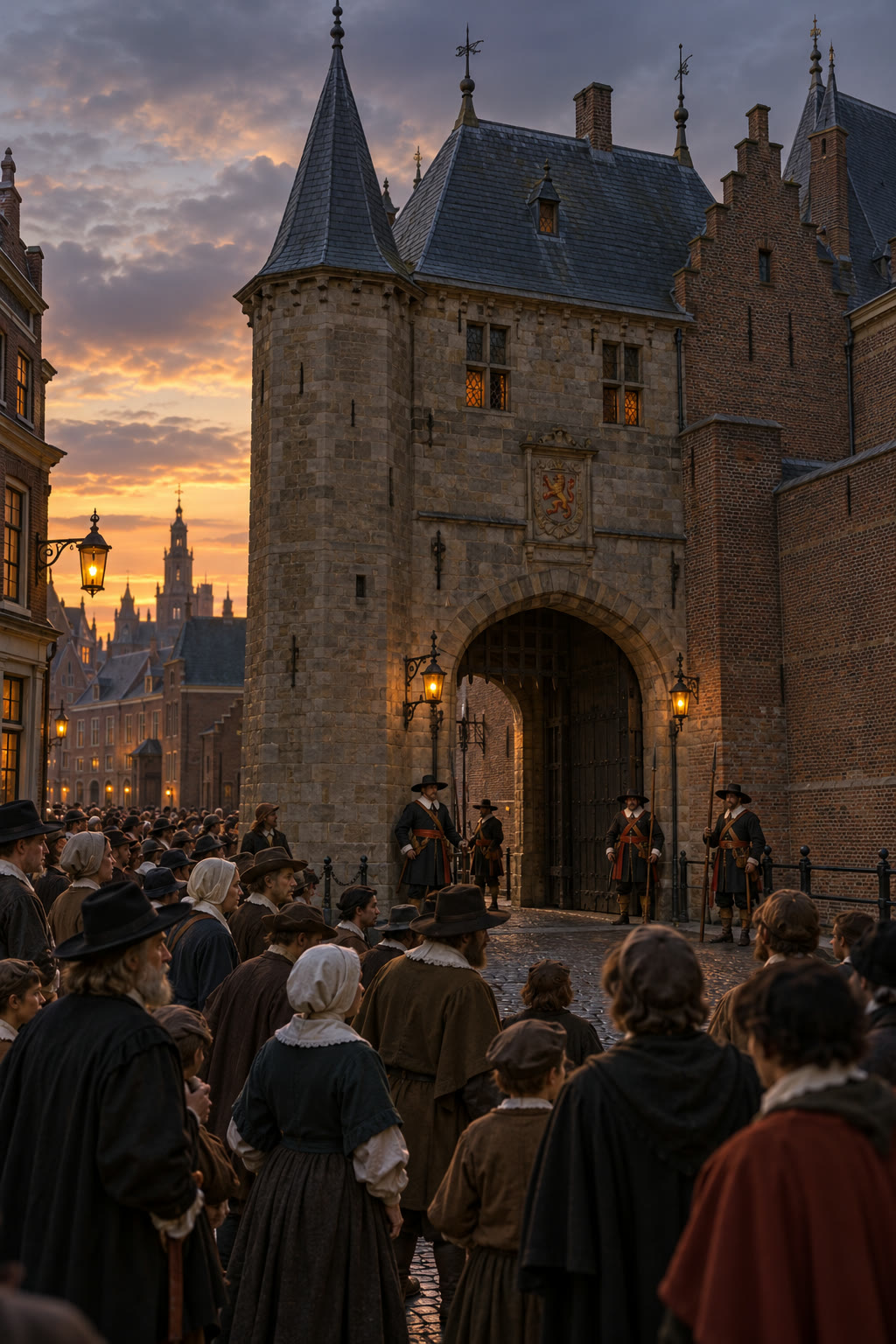
AI-generated non-graphic reconstruction of the Gevangenpoort and a tense crowd in The Hague, not documentary evidence. Generated with OpenAI image generation on 2026-10-25.
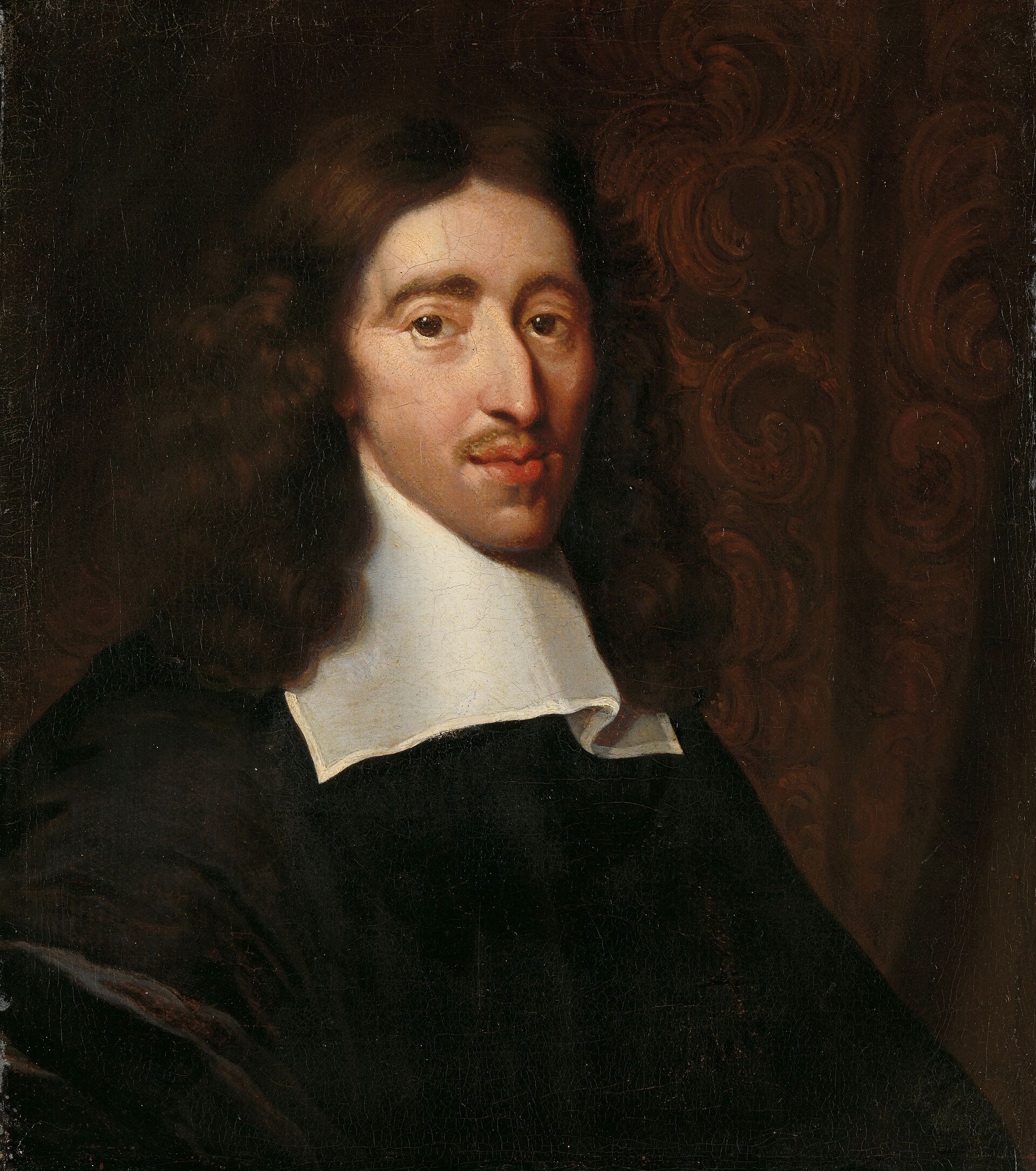
Portrait of Johan de Witt (1625–1672), attributed to Caspar Netscher, Rijksmuseum collection. Public domain; sourced from Wikimedia Commons: https://commons.wikimedia.org/wiki/File:Johan_de_Witt_(1625-72)._Raadpensionaris_van_Holland_Rijksmuseum_SK-C-175.jpeg. Wikimedia derivative 1920 × 2170 px; checked 2026-10-25.
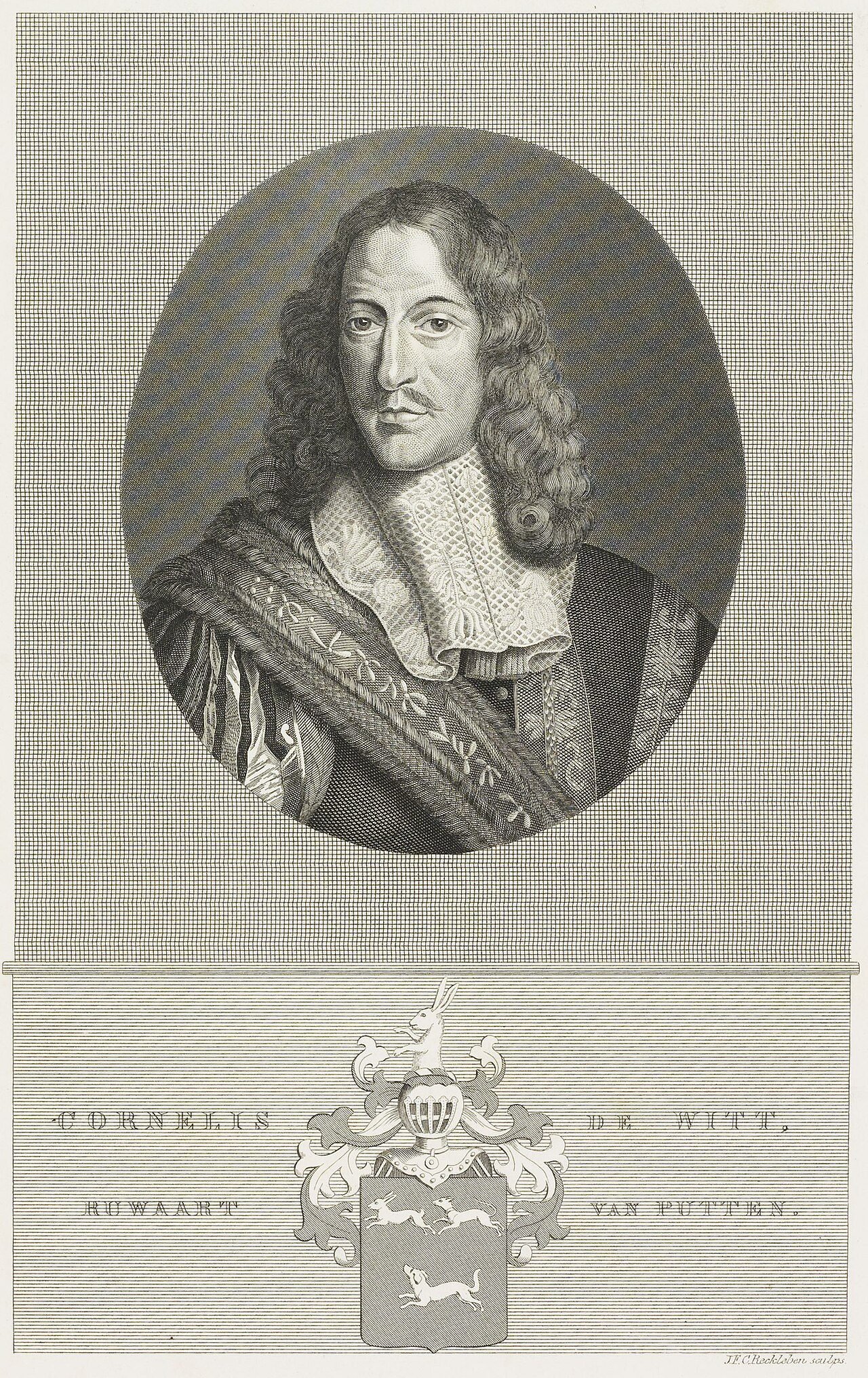
Portrait of Cornelis de Witt, print by Pieter van Gunst after a painting by Jan de Baen, public domain, sourced from Wikimedia Commons: https://commons.wikimedia.org/wiki/File:Cornelis_de_Witt,_PA03328.jpg. Wikimedia derivative 1280 × 2032 px; checked 2026-10-25.

AI-generated non-graphic reconstruction of the Gevangenpoort and a tense crowd in The Hague, not documentary evidence. Generated with OpenAI image generation on 2026-10-25.

Listen to fact0:00 / —

Cornelis de Witt was imprisoned in the Gevangenpoort on an accusation of plotting against Prince William III; Johan arrived on August 20 to visit his brother. City militia led them out under the pretense of moving them somewhere safer, but a crowd killed them. The Hague still preserves relics identified as Johan's tongue and Cornelis's finger; examination found the finger belonged to a man aged 40–50 in 1672, although it was not possible to obtain a DNA profile.