WattSearch
Your WattLeaderboard
Language
Autoplay narration
Appearance

Feedback

Have a question or an idea? Something not working? Send us a message.

What would you like to share?
Up to 3 files, 5 MB each, 12 MB total.
Or contact us directly

Direct contacts open a separate chat or email. Files attached here are not included.

arohalya@gmail.com
A little wonder, every day

The echidna: a spiny, egg-laying mammal
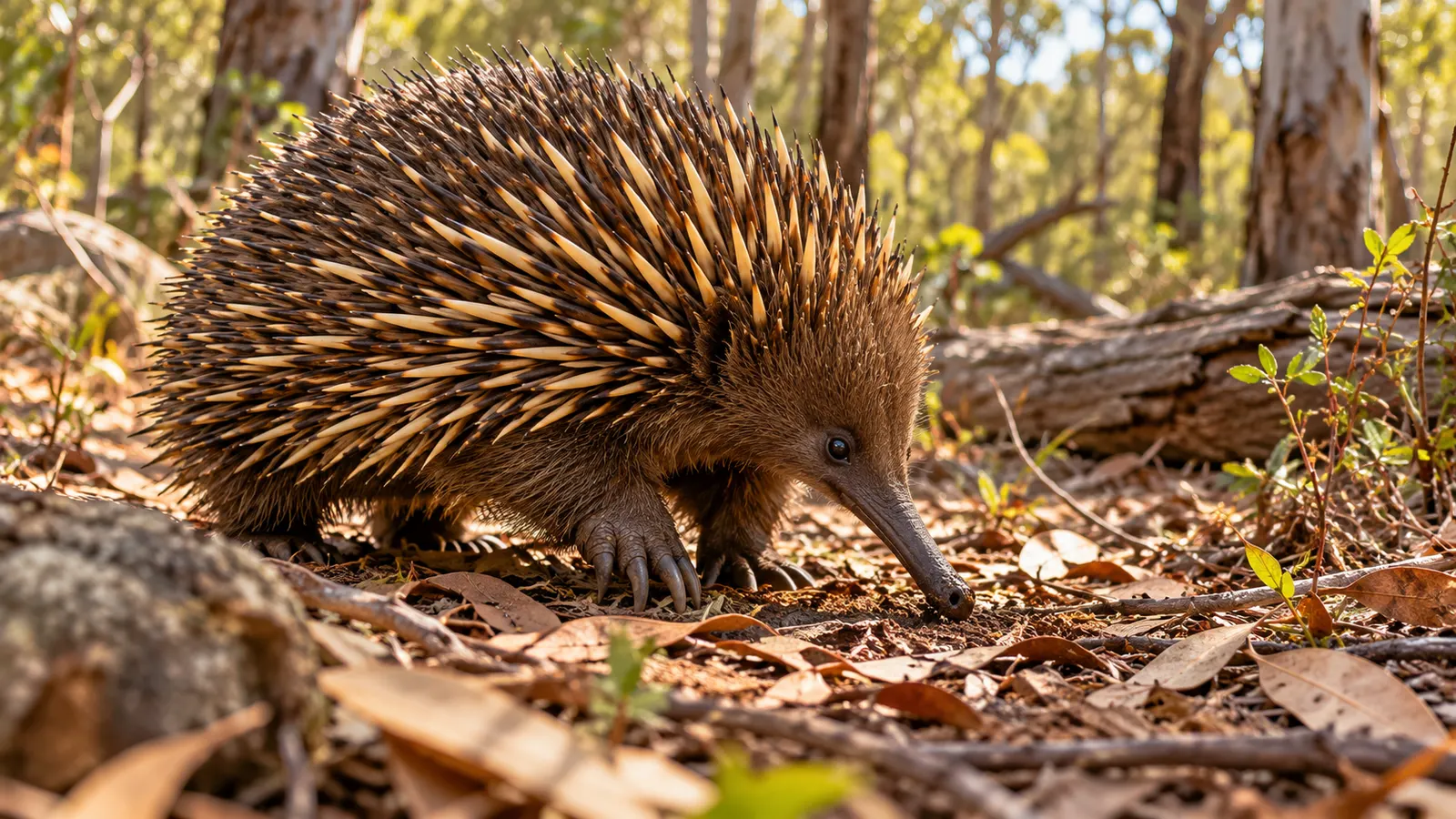
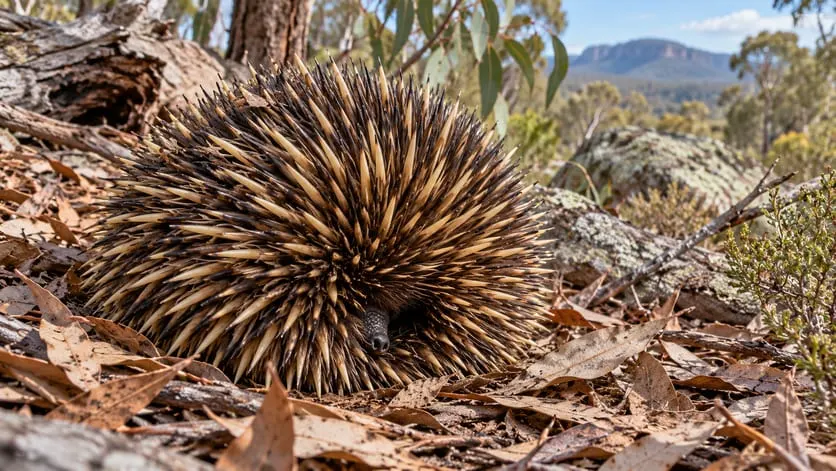
Реалістична природнича AI-обкладинка короткодзьобої єхидни серед листя в австралійському лісі; не фото конкретної особини. Створено 2026-10-21.
оптимізовано з `media/echidna-defense-ai.png`: 836×471 px (половина початкової ширини й висоти), JPEG quality 82.
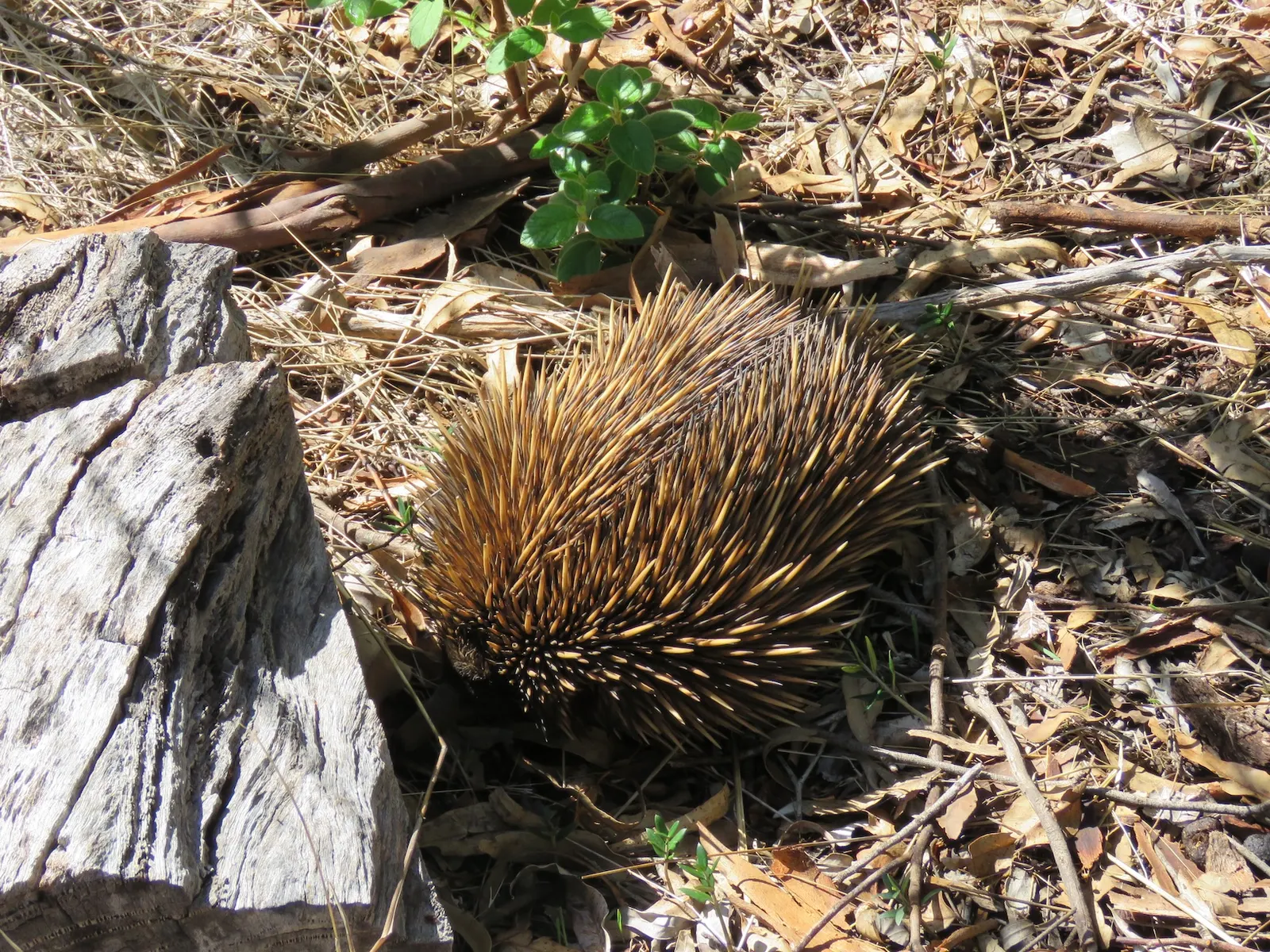
Short-beaked echidna among dry leaves in Serpentine National Park, Western Australia; its back and protective spines are visible.
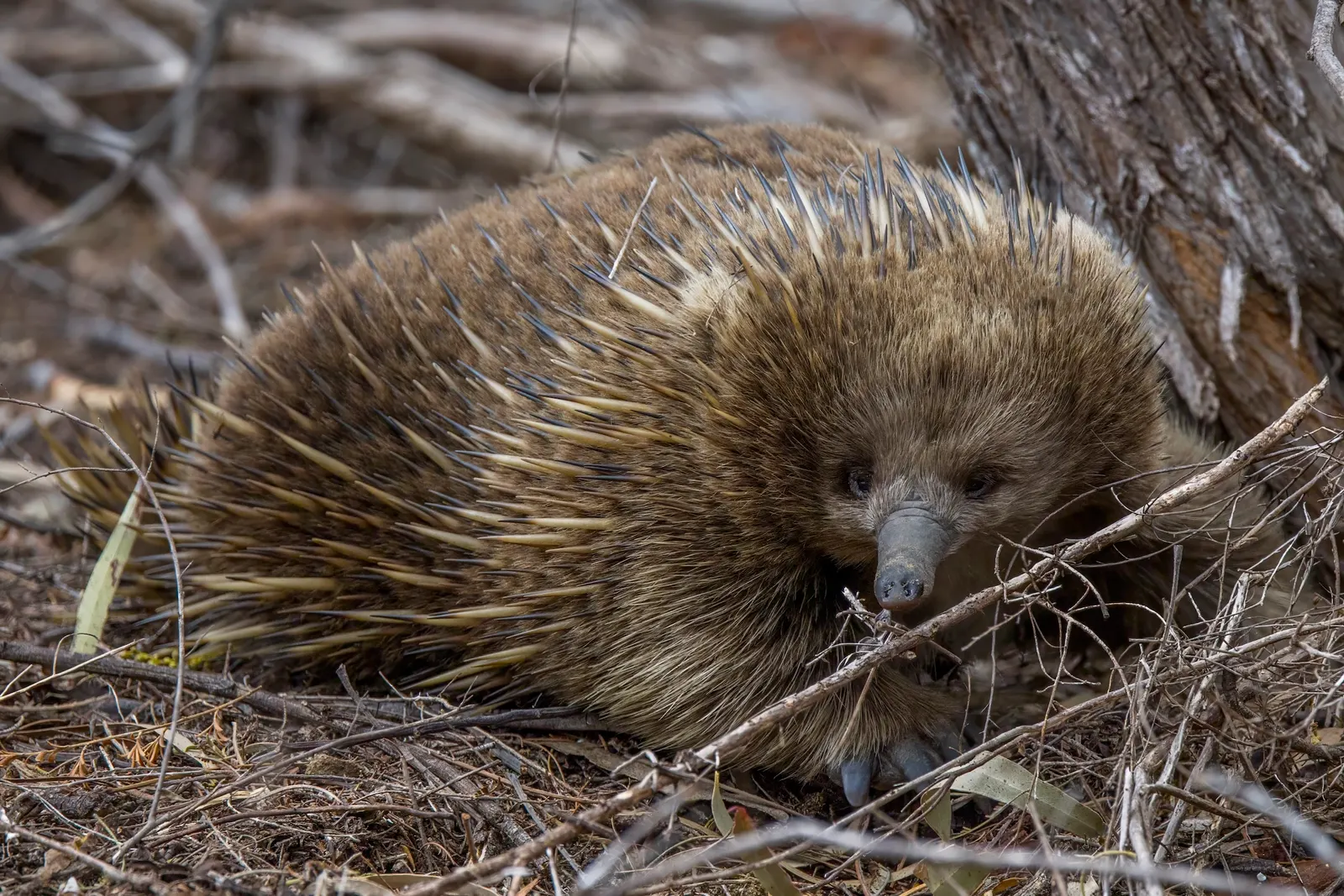
Short-beaked echidna facing the camera among woodland branches at Freycinet, Tasmania.
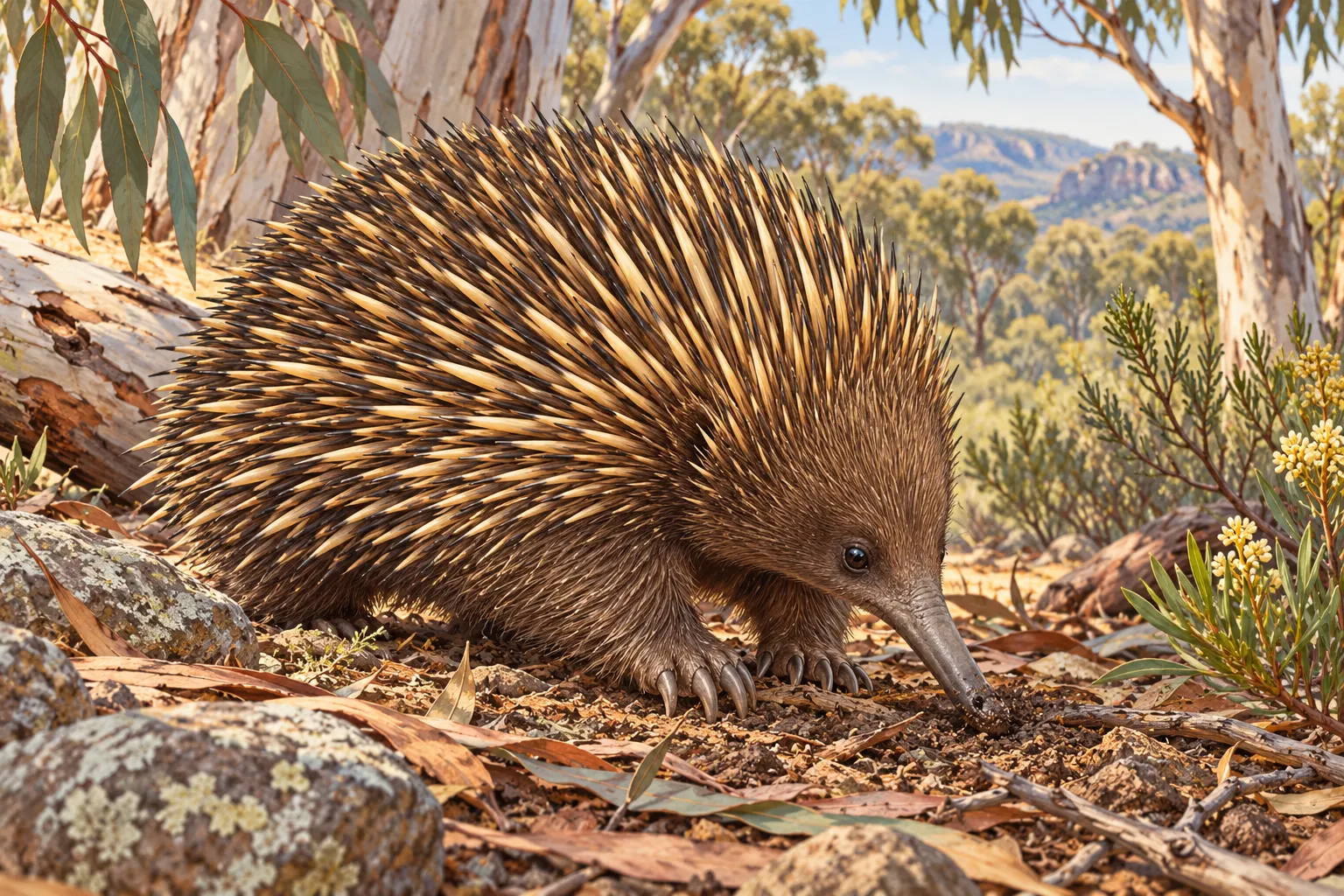
Conceptual editorial illustration of an echidna in Australian bushland; AI-generated, not documentary photography.

Реалістична природнича AI-обкладинка короткодзьобої єхидни серед листя в австралійському лісі; не фото конкретної особини. Створено 2026-10-21.

Listen to fact0:00 / —

Echidnas, together with platypuses, belong to the monotremes, mammals that lay eggs. Like other mammals, they feed their young milk, but they have no nipples: milk is secreted through pores on specialized milk patches of skin, where the young lick it up.

Their spines are modified hairs and provide protection. An echidna can curl up with its spines facing outward. Eggs, milk, and spines make it unusual, but it is very much a mammal.