WattSearch
Your WattLeaderboard
Language
Autoplay narration
Appearance

Feedback

Have a question or an idea? Something not working? Send us a message.

What would you like to share?
Up to 3 files, 5 MB each, 12 MB total.
Or contact us directly

Direct contacts open a separate chat or email. Files attached here are not included.

arohalya@gmail.com
A little wonder, every day

Salt could once serve as money in Ethiopia

A salt bar on an Ethiopian market stall with traders and a highland caravan in the distance; symbolic reconstruction, not a photograph of a specific historical transaction.
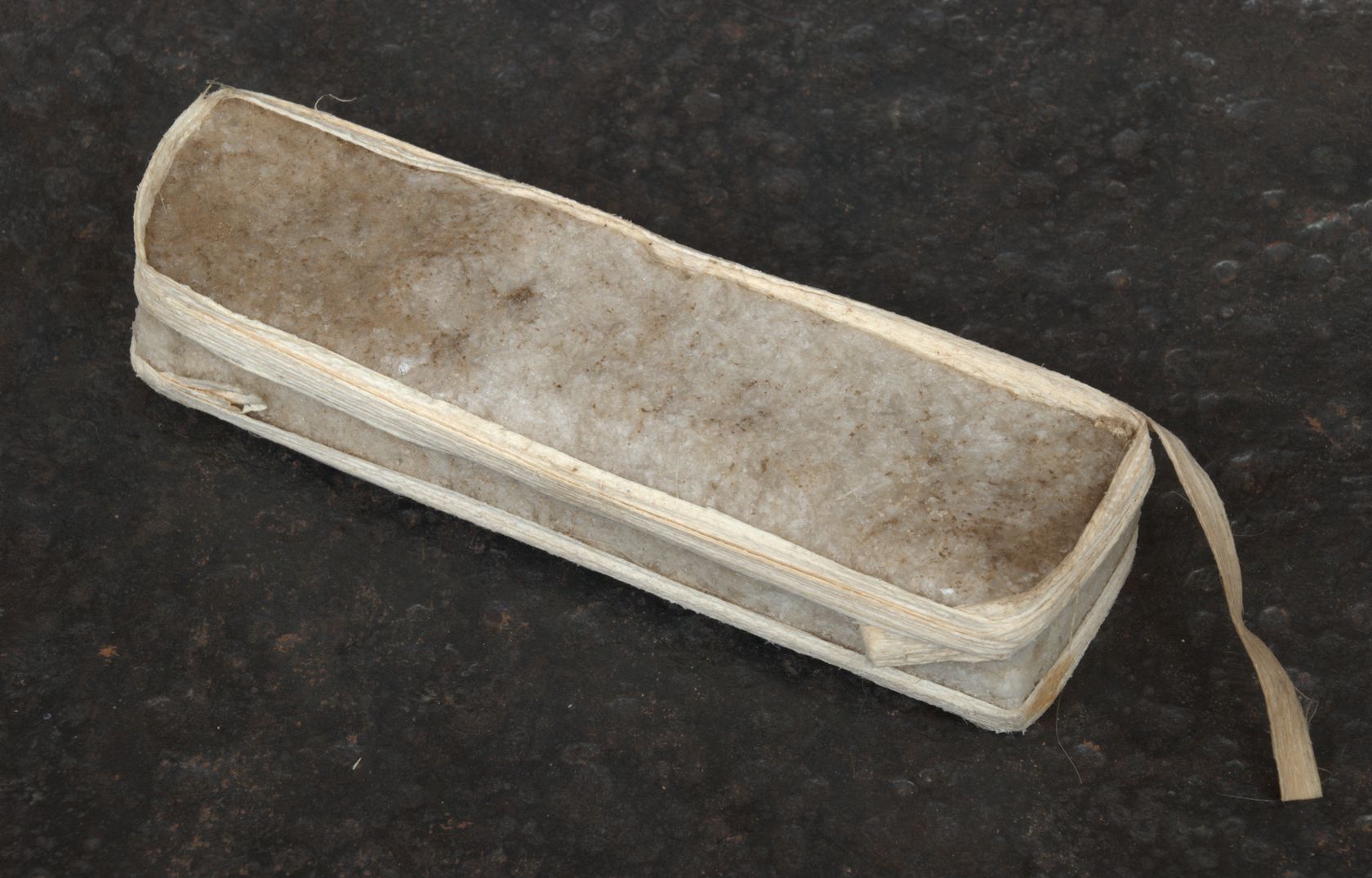
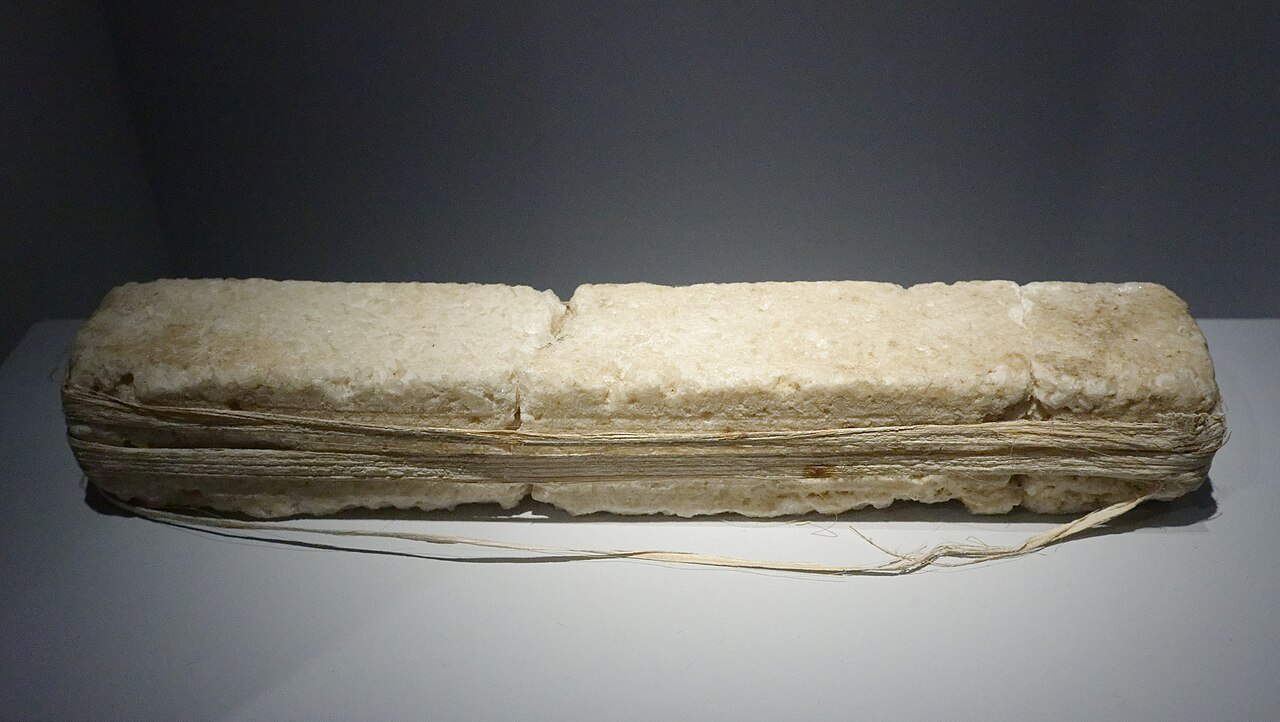
a rectangular amole salt bar, described as historic Ethiopian currency.
amolye salt bar used as currency by Amhara people in northern Ethiopia; object collected at Addis Ababa and held by the Musée du quai Branly (accession 71.1931.74.3569; circa 1830).

A salt bar on an Ethiopian market stall with traders and a highland caravan in the distance; symbolic reconstruction, not a photograph of a specific historical transaction.

Listen to fact0:00 / —

In parts of historical Ethiopia, long bars of salt called amole changed hands as a medium of exchange. Salt was needed for food, and its transport from mining areas affected local availability and price. Historian Richard Pankhurst describes the bars’ role in trade while emphasizing that their circulation depended on location and their quality and value could vary. This does not mean salt was money throughout Africa or that every society traded in the same way.