WattSearch
Your WattLeaderboard
Language
Autoplay narration
Appearance

Feedback

Have a question or an idea? Something not working? Send us a message.

What would you like to share?
Up to 3 files, 5 MB each, 12 MB total.
Or contact us directly

Direct contacts open a separate chat or email. Files attached here are not included.

arohalya@gmail.com
A little wonder, every day

Spiders produce different silks for different tasks
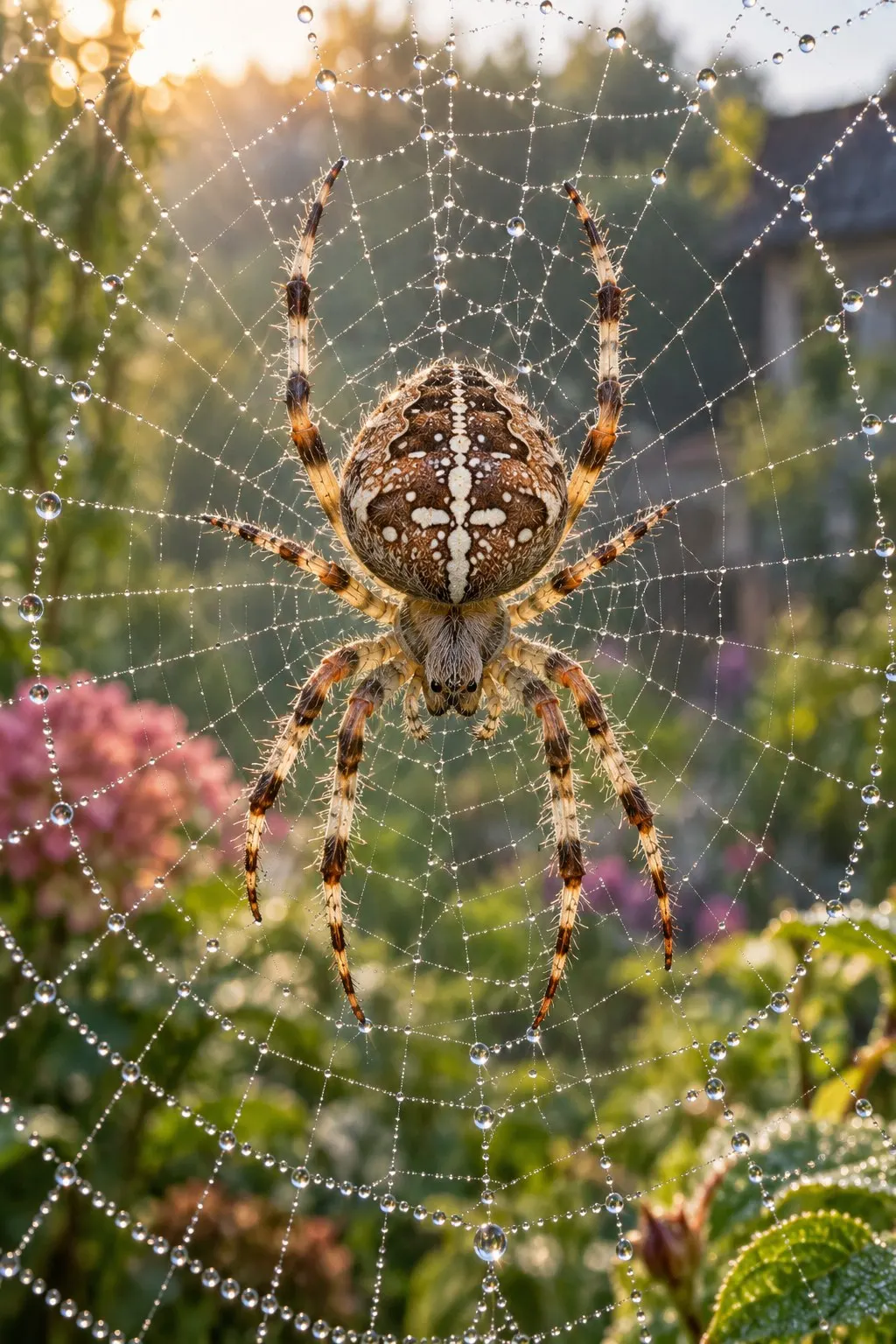
Титульна AI-згенерована ілюстрація / AI-generated cover illustration. Павук-хрестовик у павутині, де видно каркас і ловчі спіралі.
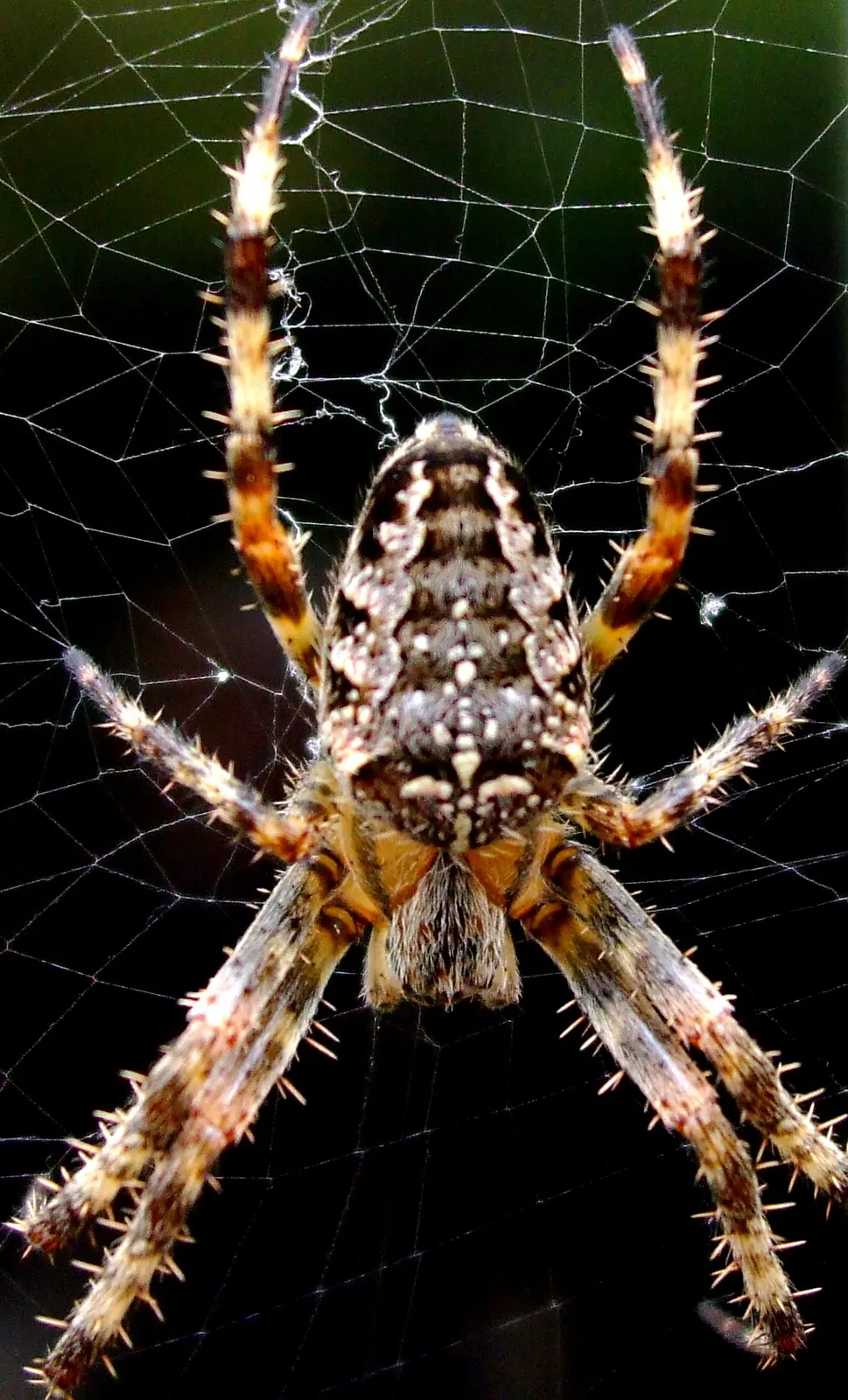
крупний план павука-хрестовика (*Araneus diadematus*) у павутині; Freestyle nl; CC BY-SA 3.0 і GFDL на Commons. Original: https://commons.wikimedia.org/wiki/File:Spider-in-web.jpg. Attribution: Freestyle nl, CC BY-SA 3.0. Original image; checked 2026-10-18.
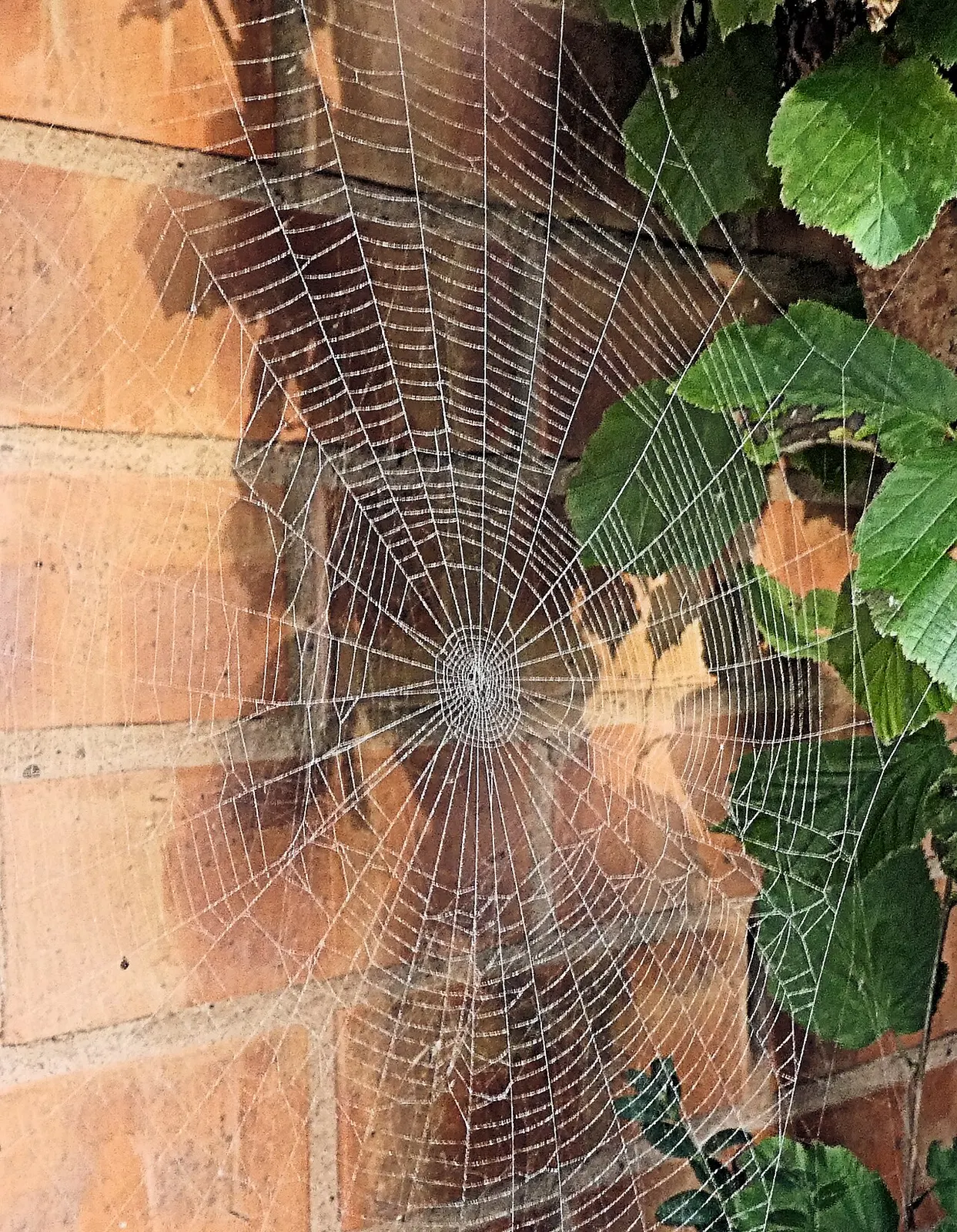
павутина звичайного садового павука (*Araneus diadematus*); Dr Graham Beards; CC BY-SA 4.0. Original: https://commons.wikimedia.org/wiki/File:Web_of_Araneus_diadematus.jpg. Attribution: Dr Graham Beards, CC BY-SA 4.0. Resized Commons thumbnail; checked 2026-10-18.
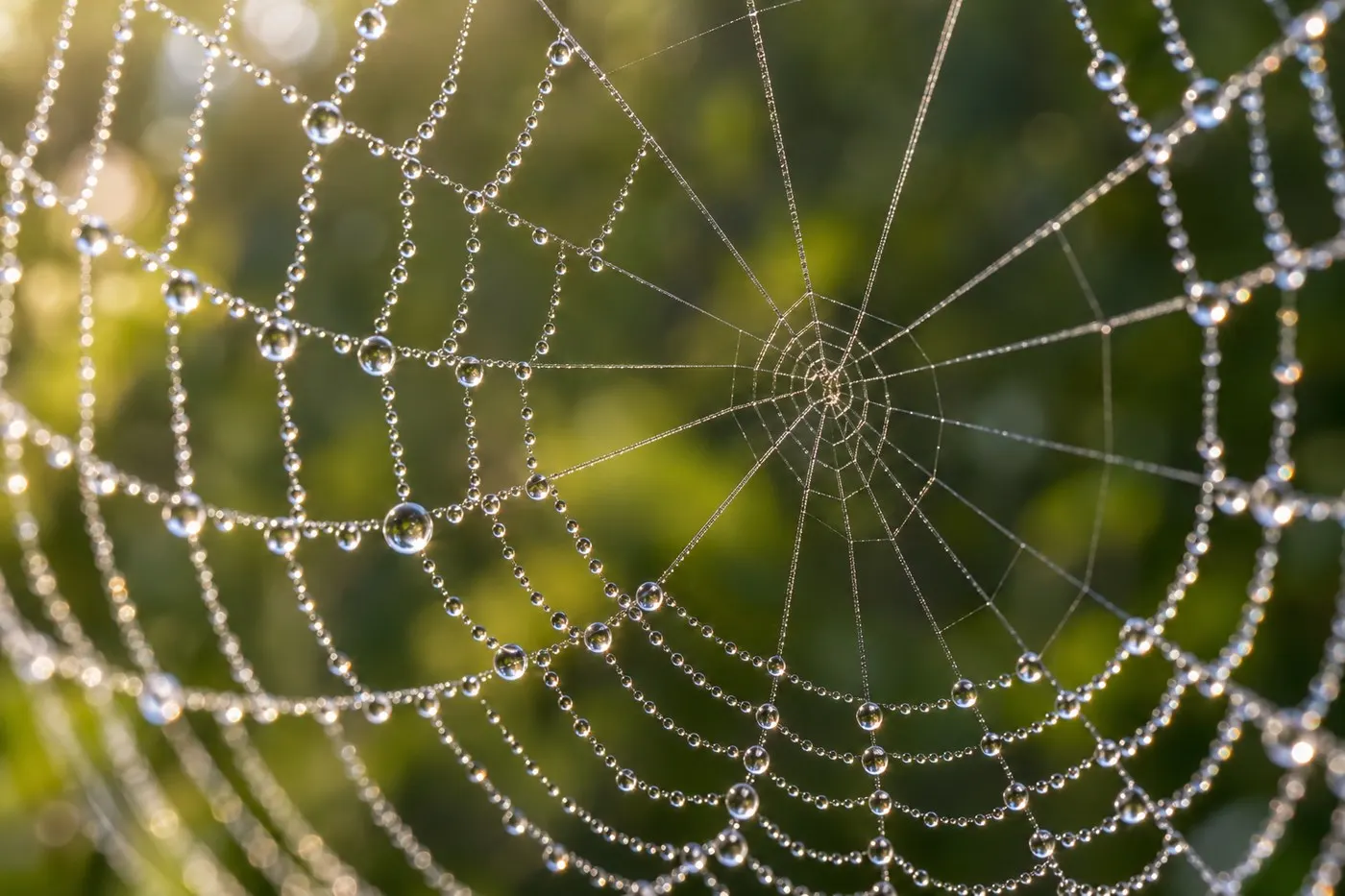
додаткова AI-ілюстрація / supplementary AI illustration. Макрозображення ловчої спіралі з краплями та сухих радіальних ниток каркаса.
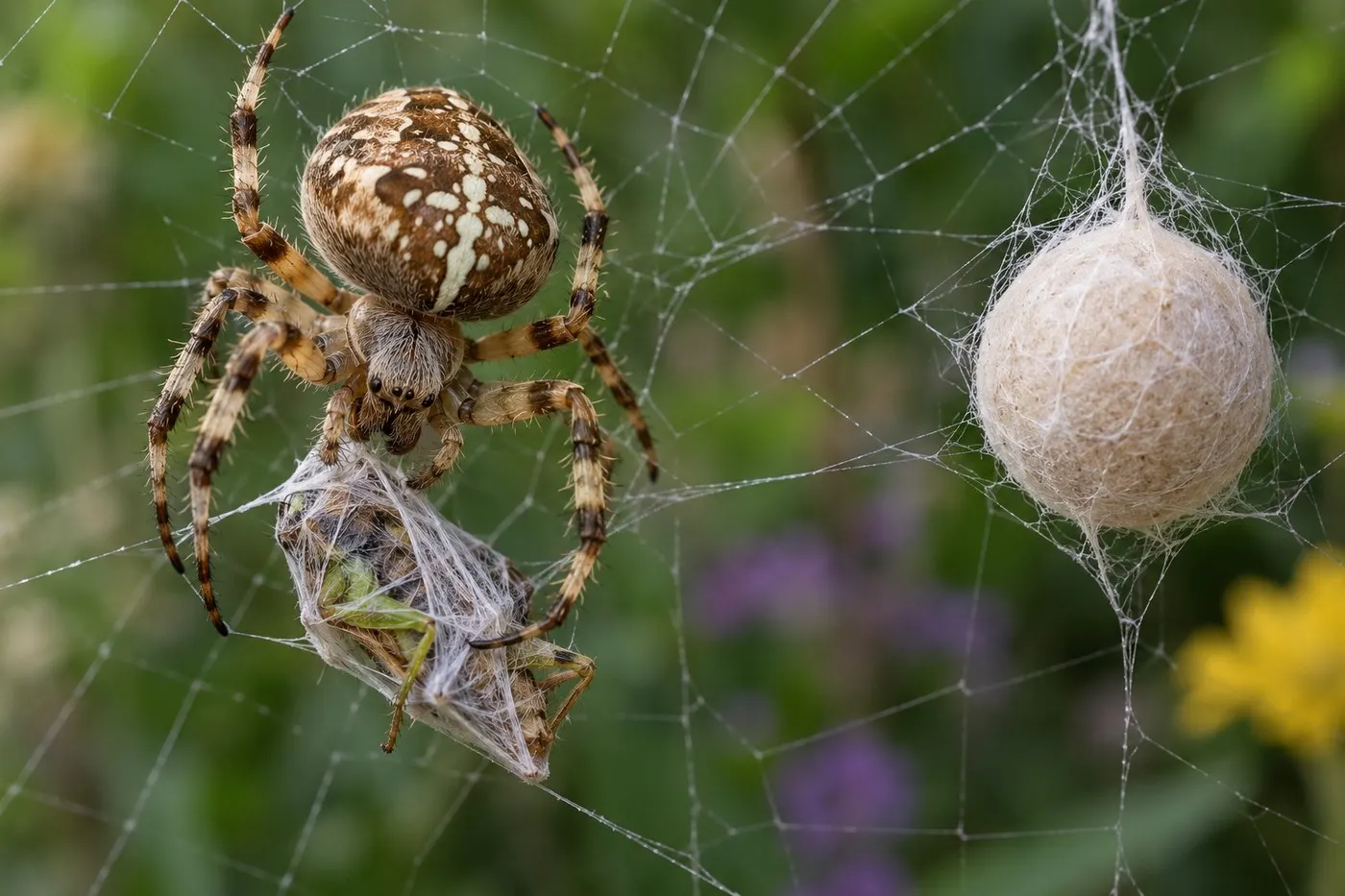
додаткова AI-ілюстрація / supplementary AI illustration. Павук обгортає здобич шовком, а поруч висить кокон яєць.

Титульна AI-згенерована ілюстрація / AI-generated cover illustration. Павук-хрестовик у павутині, де видно каркас і ловчі спіралі.

Listen to fact0:00 / —

Spiders can produce several types of silk with different properties and use them for different tasks. For example, strong thread helps form a web’s framework and serves as a safety line, stretchy and sticky silk captures prey, and another silk protects eggs in a sac. The set of types depends on the species: no species has all the known types of silk glands.