WattSearch
Your WattLeaderboard
Language
Autoplay narration
Appearance

Feedback

Have a question or an idea? Something not working? Send us a message.

What would you like to share?
Up to 3 files, 5 MB each, 12 MB total.
Or contact us directly

Direct contacts open a separate chat or email. Files attached here are not included.

arohalya@gmail.com
A little wonder, every day

Fact 2242 — when the Ottawa Convention was signed
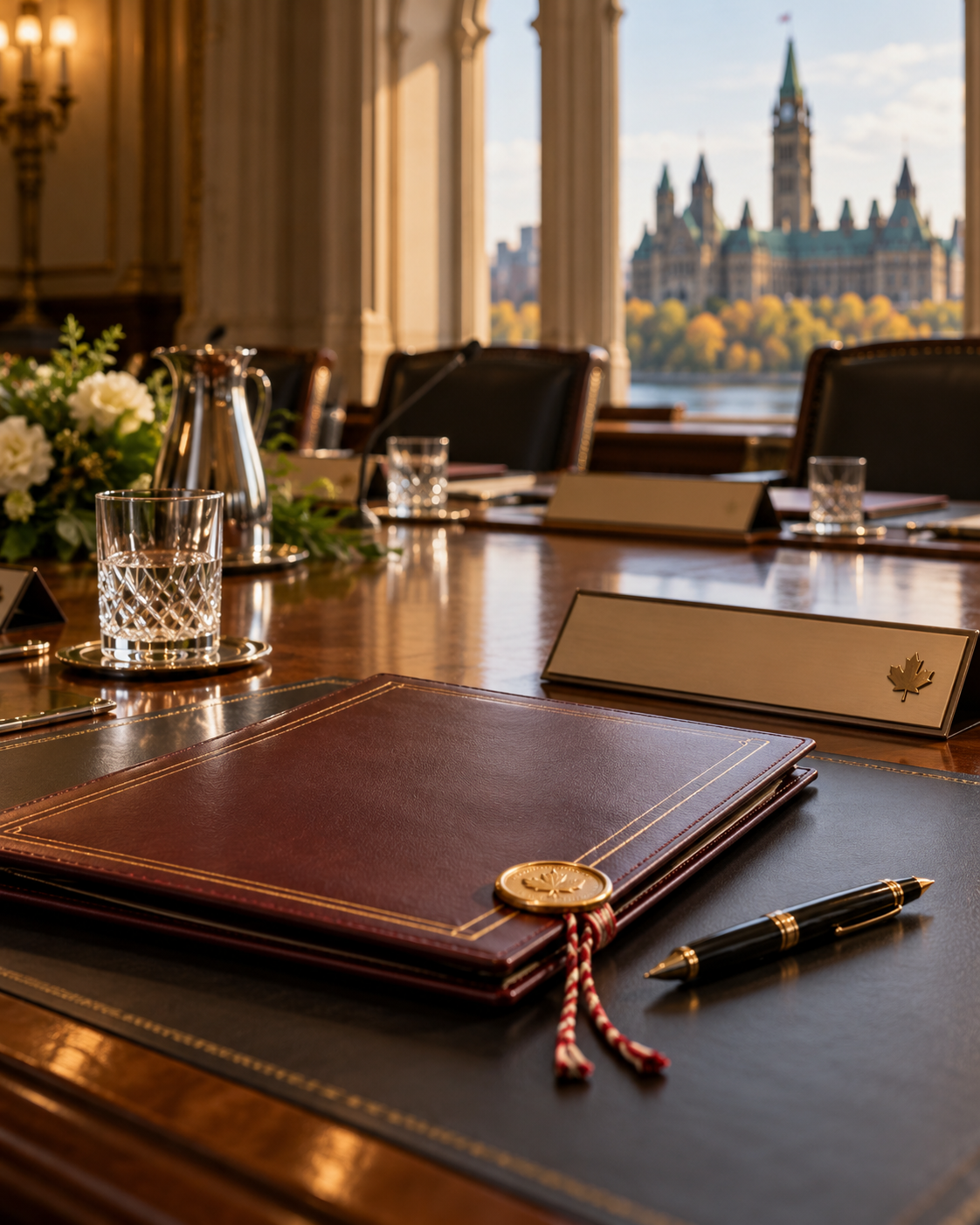
AI-generated with OpenAI image generation. Prompt: “Photorealistic editorial cover for a historical article about the 1997 Ottawa anti-personnel mine ban treaty. A diplomatic conference table with a closed treaty folder, fountain pen, and a small maple leaf motif on a delegate's nameplate, no legible text, no weapons or mines, no flags, no visible people. Warm archival documentary lighting, portrait 4:5.”
AI-generated with OpenAI image generation. Prompt: “Photorealistic editorial scene for a history article about international disarmament diplomacy. Delegates seen from behind at a bright conference hall reviewing papers at a long table, with a large window overlooking Ottawa-like civic architecture; no readable text, no recognizable people, no weapons, no mines, no logos or flags. Calm documentary style, portrait 4:5 framing.”

AI-generated with OpenAI image generation. Prompt: “Photorealistic editorial cover for a historical article about the 1997 Ottawa anti-personnel mine ban treaty. A diplomatic conference table with a closed treaty folder, fountain pen, and a small maple leaf motif on a delegate's nameplate, no legible text, no weapons or mines, no flags, no visible people. Warm archival documentary lighting, portrait 4:5.”

Listen to fact0:00 / —

The Ottawa Convention on anti-personnel mines was not signed in 1996. It was opened for signature in Ottawa on December 3, 1997, and entered into force on March 1, 1999. The treaty prohibits the use, stockpiling, production, and transfer of anti-personnel mines and requires their destruction.