WattSearch
Your WattLeaderboard
Language
Autoplay narration
Appearance

Feedback

Have a question or an idea? Something not working? Send us a message.

What would you like to share?
Up to 3 files, 5 MB each, 12 MB total.
Or contact us directly

Direct contacts open a separate chat or email. Files attached here are not included.

arohalya@gmail.com
A little wonder, every day

Fact 1612 — what happened to Einstein’s Nobel Prize money
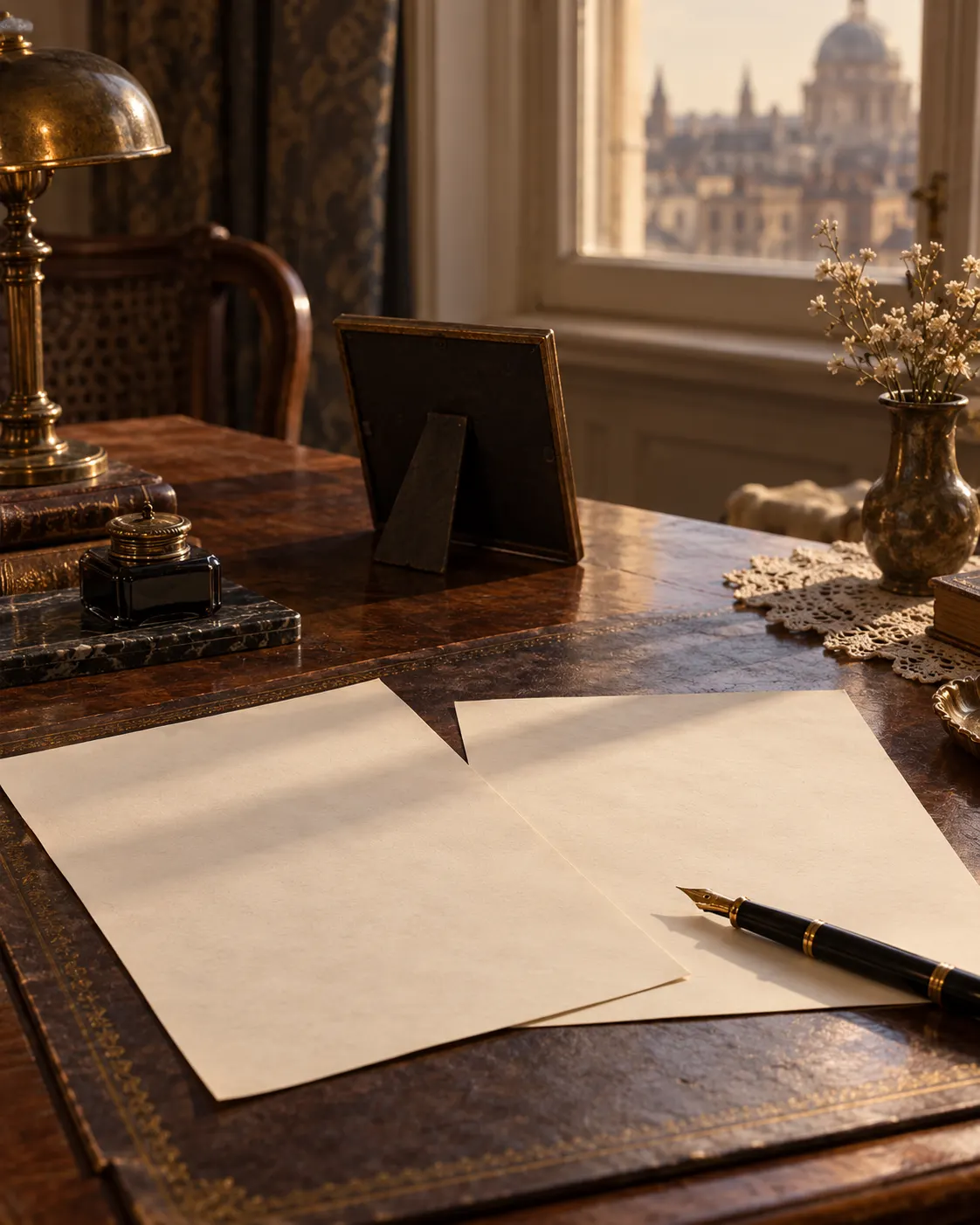
AI-generated cover: a fictional early-20th-century desk with blank legal pages and a turned-away family photograph frame, symbolizing Einstein’s promise to Mileva Marić. It does not show the real couple or reproduce their agreement. Prompt: “Photorealistic vertical 4:5 editorial cover about Albert Einstein's agreement to give the cash from a future Nobel Prize to Mileva Marić during divorce negotiations. Show two blank legal document pages on a quiet early-20th-century desk, a fountain pen and modest family photograph frame turned away, warm historical light. Symbolic fictional scene, no depiction of Einstein or Marić, no actual letter or contract, no readable text, no currency, no logos.” Generated 19 October 2026.
Albert Einstein and his first wife, Mileva Marić, photographed in 1912. Photograph by unknown photographer, ETH Library Zurich Image Archive, portrait record Portr_03106; public domain mark on the Commons file page. This is a crop from the full archival image; no other edits. Source: [Wikimedia Commons file page](https://commons.wikimedia.org/wiki/File:Mileva_Maric_1912.jpg). Checked 18 October 2026.
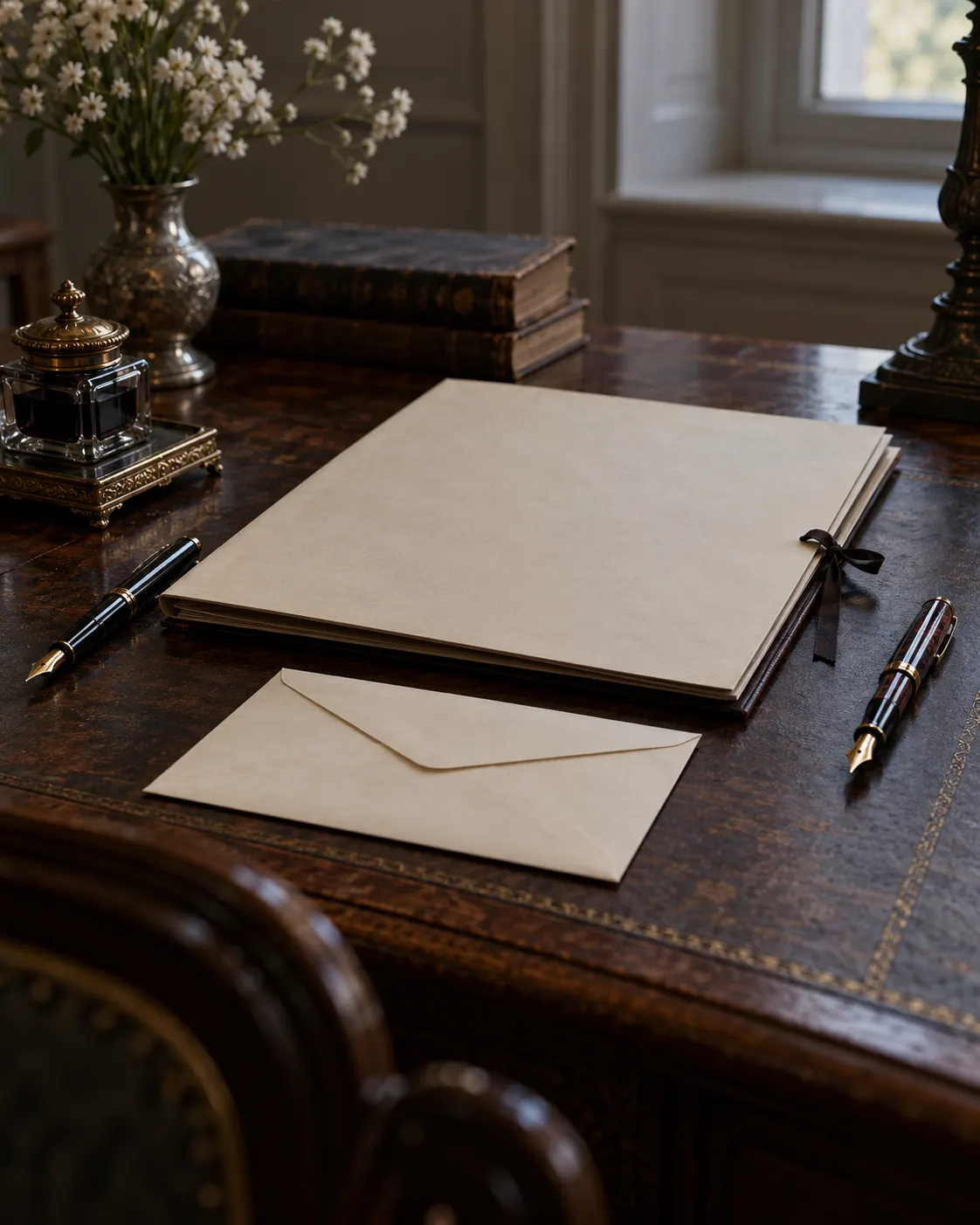
AI-generated fictional desk still life illustrating a written promise during divorce negotiations; not the actual Einstein–Marić agreement or letter. Prompt: “Photorealistic vertical 4:5 editorial still life suggesting a written promise made during divorce negotiations: two separate fountain pens beside a closed blank agreement folder and an unsigned envelope on an early-20th-century desk, muted natural light. Generic symbolic scene only, no actual Einstein or Marić letter, no readable writing, names, signatures, currency, logos or portraits.” Generated 19 October 2026.
Albert Einstein lecturing in Vienna in 1921. Ferdinand Schmutzer (1870–1928); public domain mark on the Commons file page, including Austria and the United States. Original Commons file, no edits. Source: [Wikimedia Commons file page](https://commons.wikimedia.org/wiki/File:Albert-einstein-image.jpg). Checked 18 October 2026.
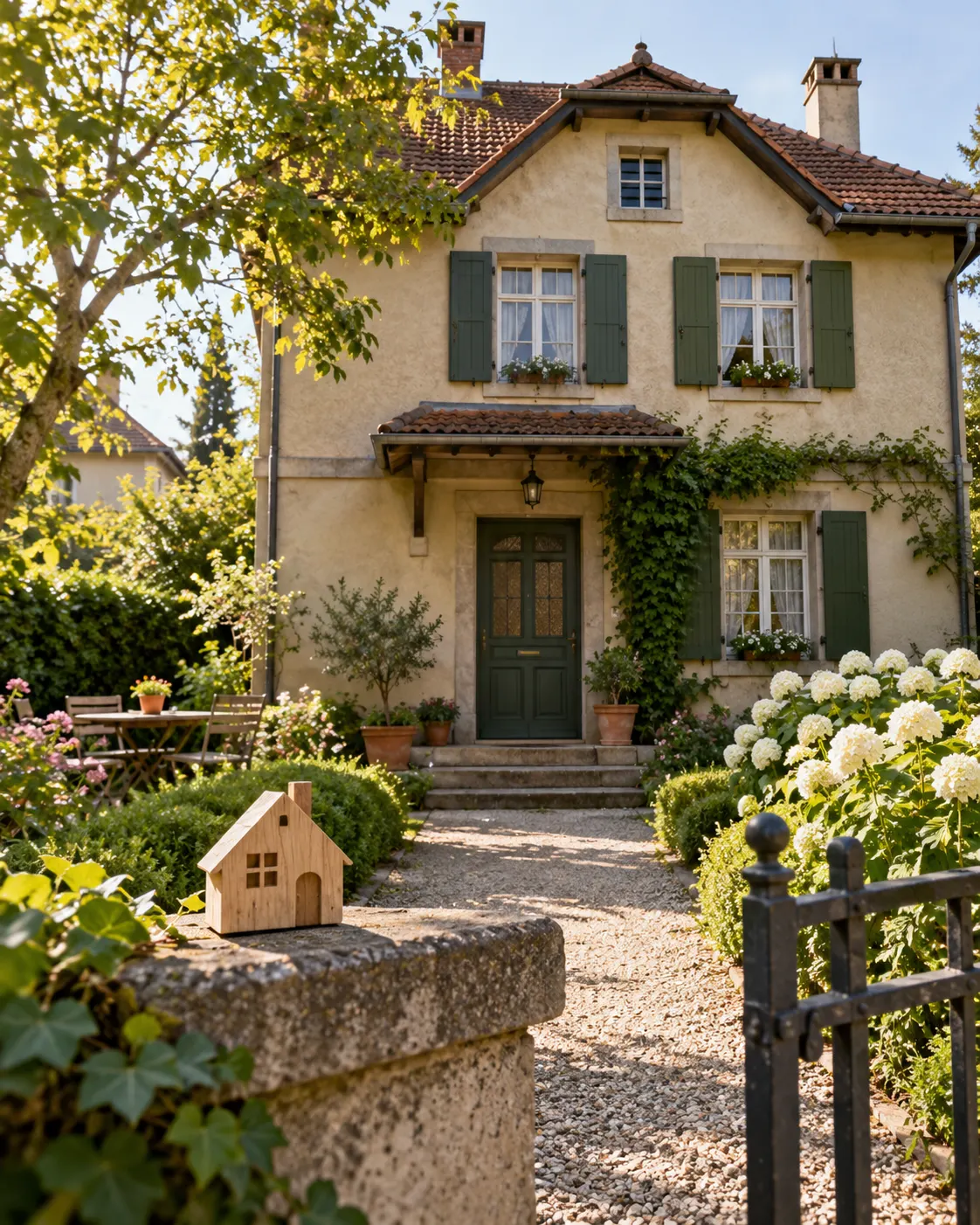
AI-generated generic family home illustrating the use of the money toward a house mentioned in Einstein’s 1924 letter; not the Einstein family’s documented home. Prompt: “Photorealistic vertical 4:5 editorial image of a modest early-20th-century European family home in a quiet garden, warm daylight, seen from the walkway. Generic fictional house, not a residence of Albert Einstein or Mileva Marić. Illustrates a family putting money toward a home, without people or currency. No plaques, readable text, logos or identifiable landmark.” Generated 19 October 2026.

AI-generated cover: a fictional early-20th-century desk with blank legal pages and a turned-away family photograph frame, symbolizing Einstein’s promise to Mileva Marić. It does not show the real couple or reproduce their agreement. Prompt: “Photorealistic vertical 4:5 editorial cover about Albert Einstein's agreement to give the cash from a future Nobel Prize to Mileva Marić during divorce negotiations. Show two blank legal document pages on a quiet early-20th-century desk, a fountain pen and modest family photograph frame turned away, warm historical light. Symbolic fictional scene, no depiction of Einstein or Marić, no actual letter or contract, no readable text, no currency, no logos.” Generated 19 October 2026.

Listen to fact0:00 / —

During divorce negotiations, Albert Einstein wrote to his first wife, Mileva Marić, promising her the cash award of any future Nobel Prize he might receive. This was part of a preliminary divorce agreement, not a marriage contract. After their divorce in 1919, Einstein received the 1921 Physics Prize in 1922; the money was intended for Mileva and their two sons. In a 1924 letter, he mentioned that the family had used it, among other things, to buy a house.