A little wonder, every day
Lem’s work during the occupation
; [license](https://creativecommons.org/licenses/by-sa/3.0/).](https://xtotam-watt-media-442809139467.s3.eu-central-1.amazonaws.com/facts/7a6c0d1f-3f52-4f6c-b74f-e4f75bc67b1a/media/8d84121c1b6054c8b3572867775bf66615267f2d6b61322c3bcbfd84fdd9fa3b/stanislaw-lem-1966.webp)
; [license](https://creativecommons.org/licenses/by/2.5/).](https://xtotam-watt-media-442809139467.s3.eu-central-1.amazonaws.com/facts/7a6c0d1f-3f52-4f6c-b74f-e4f75bc67b1a/media/ddd1ed2f31e91cd3cb5a3e370157085bfb342cf0a3dc279fd64a967930020bcb/stanislaw-lem-2005.webp)
1 / 5
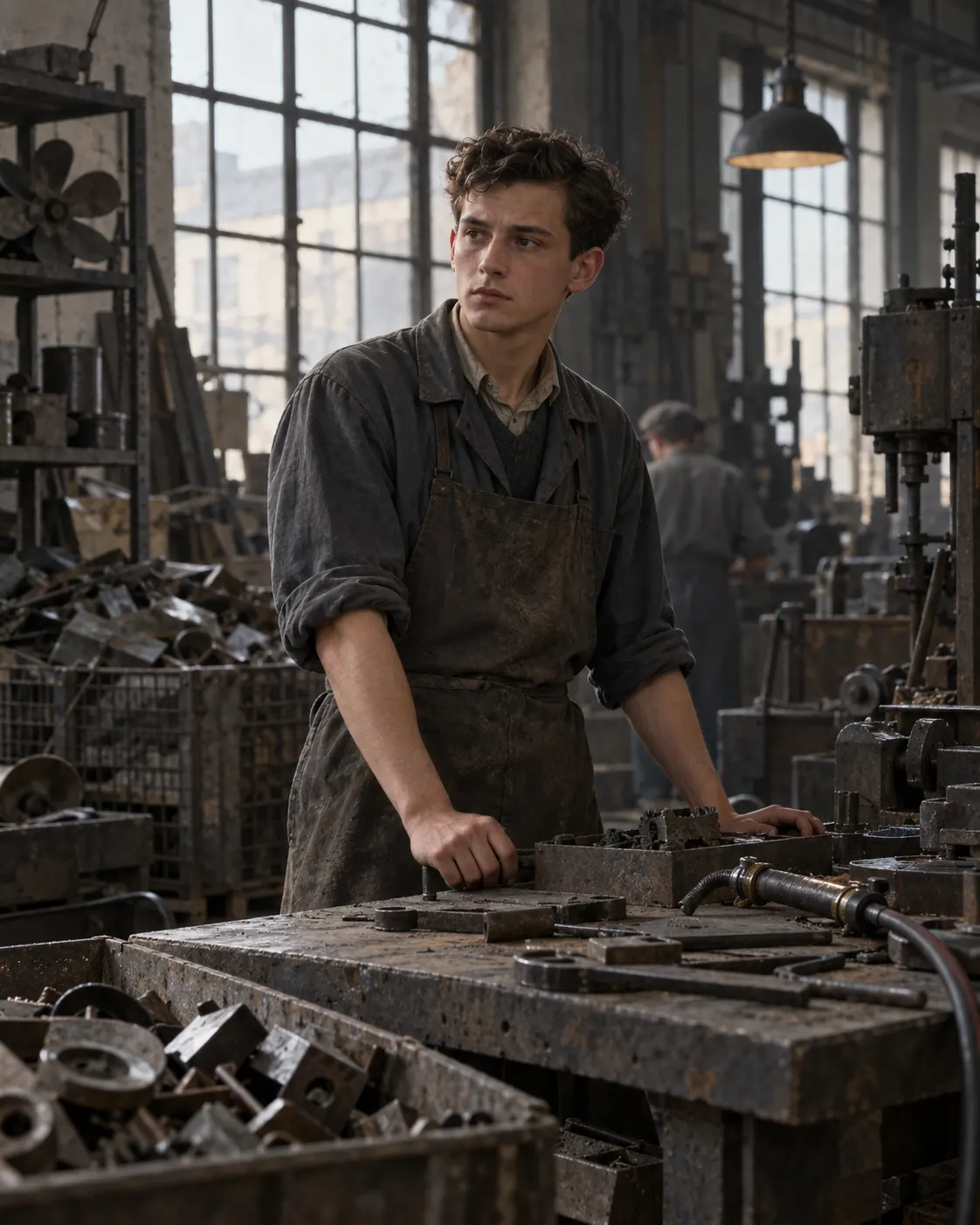
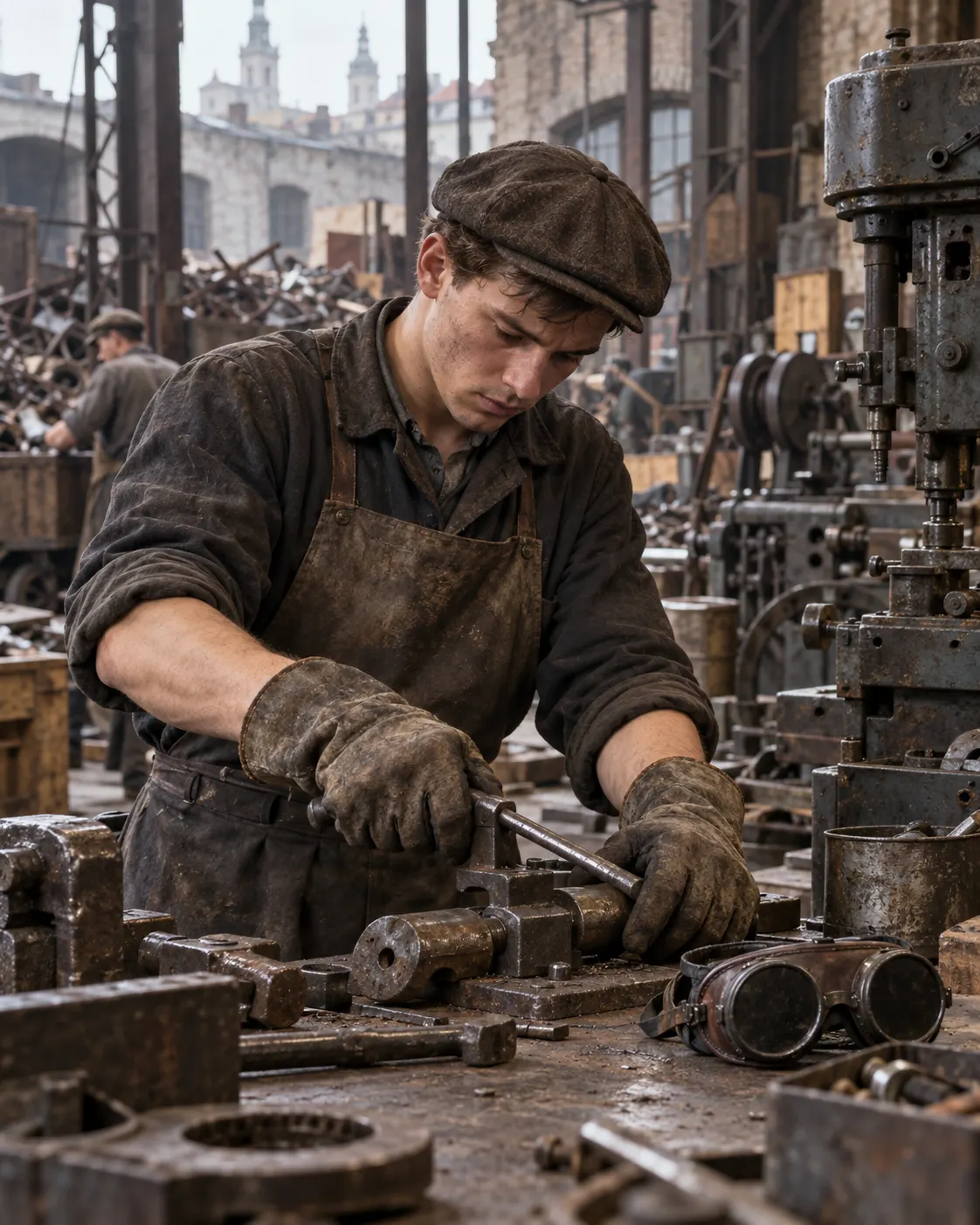
Титульна AI-згенерована ілюстрація / AI-generated cover illustration. An anonymous young worker in a wartime recycling workshop evokes Lem’s mechanic and welding work; he is not Lem.
Listen to fact0:00 / —
During the German occupation of Lwów, Stanisław Lem worked as a mechanic’s assistant and welder for a German firm that recovered raw materials from waste. An earlier biographical account, repeated by a Polish government education platform, said false papers helped the family avoid the ghetto. Later research by Agnieszka Gajewska, summarized by the Warsaw Ghetto Museum, indicates that Lem and his parents spent many months there and probably left in August 1942.