WattSearch
Your WattLeaderboard
Language
Autoplay narration
Appearance

Feedback

Have a question or an idea? Something not working? Send us a message.

What would you like to share?
Up to 3 files, 5 MB each, 12 MB total.
Or contact us directly

Direct contacts open a separate chat or email. Files attached here are not included.

arohalya@gmail.com
A little wonder, every day

What inspired 2001: A Space Odyssey
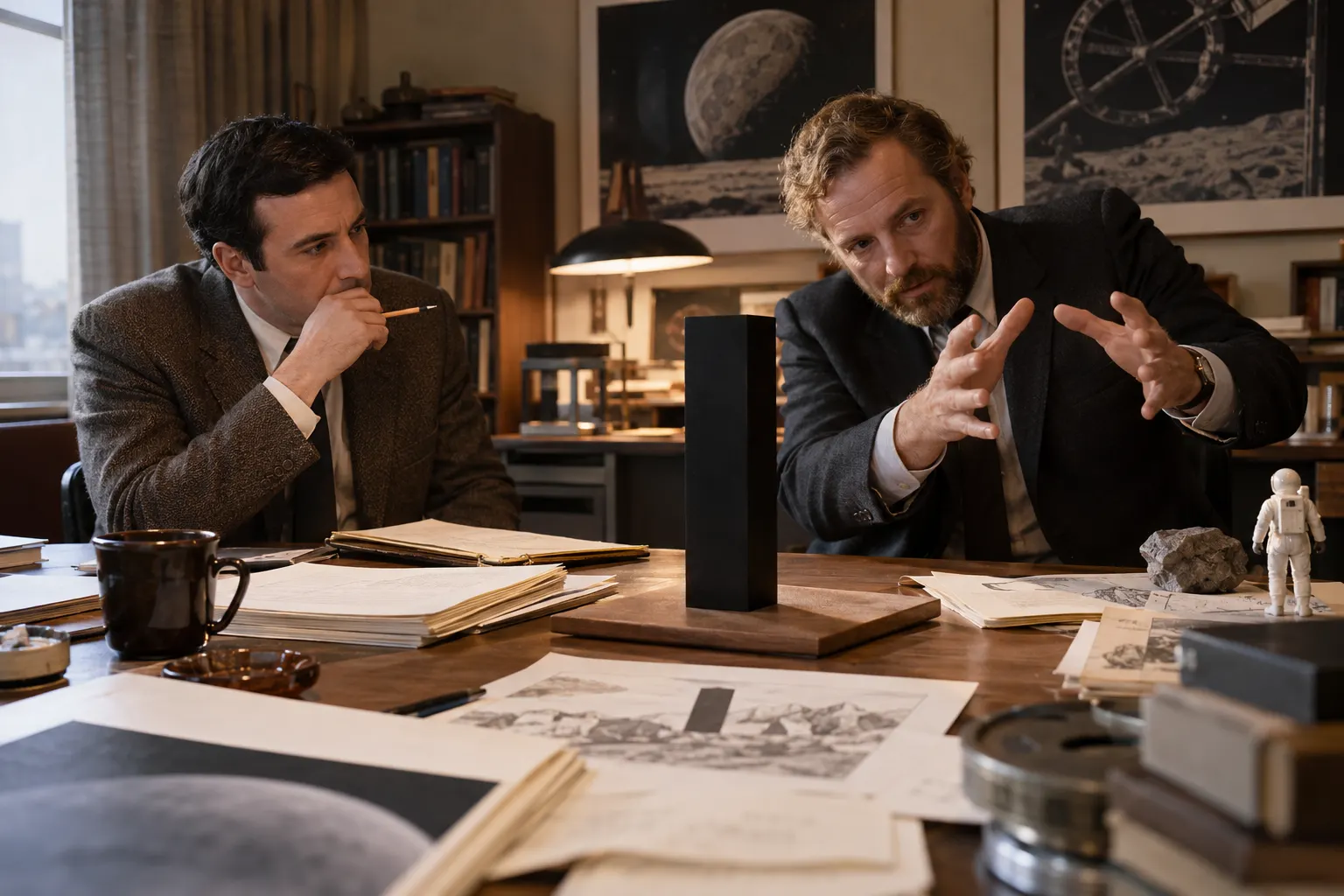
Титульна AI-згенерована ілюстрація / AI-generated cover illustration. Two fictionalized mid-1960s collaborators discuss manuscripts beside a symbolic monolith maquette, representing Kubrick and Clarke's joint development of *2001: A Space Odyssey*.
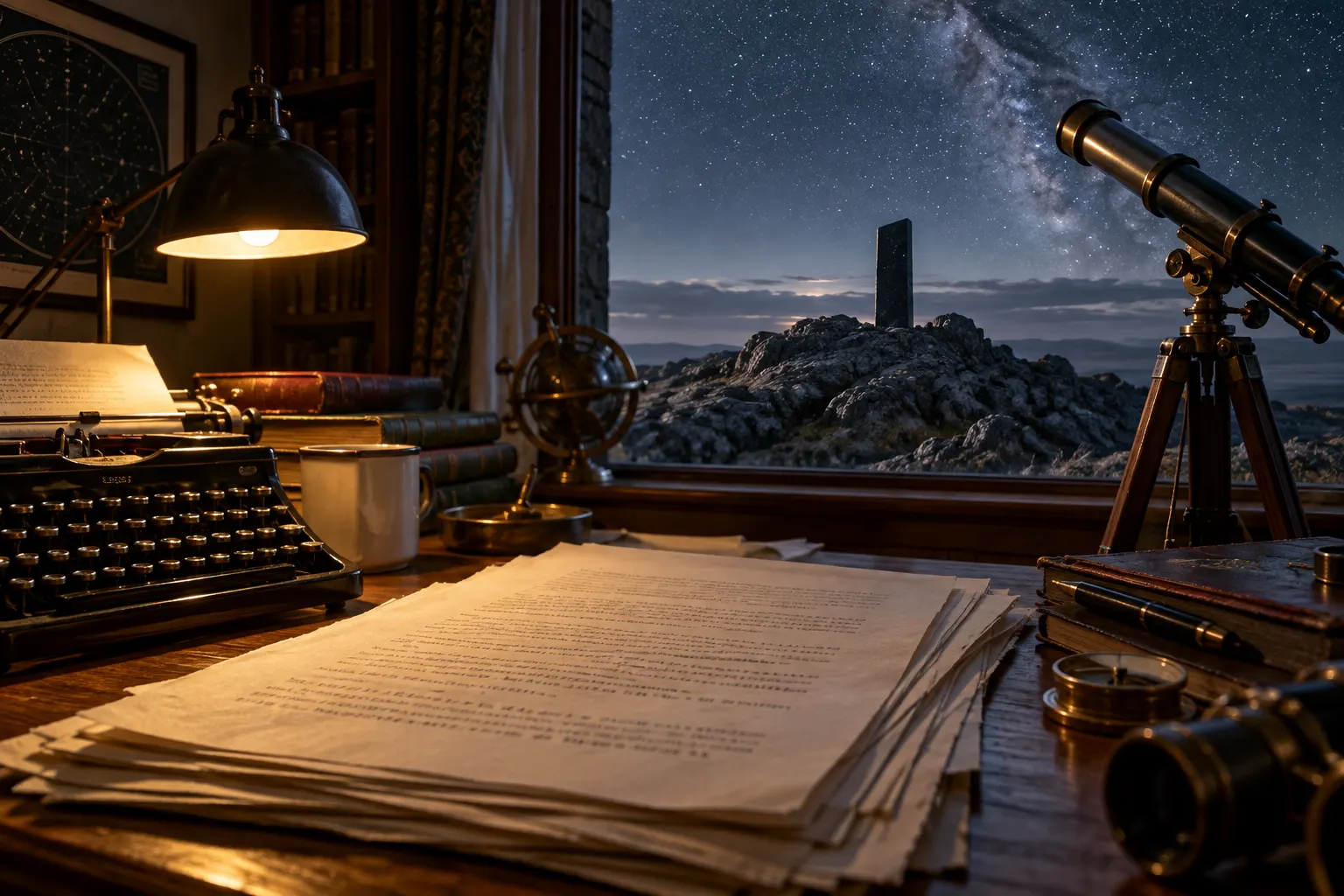
AI-generated editorial illustration of a writer's study, manuscript pages, telescope, and a symbolic monolith on a rocky ridge, evoking Clarke's “The Sentinel.”
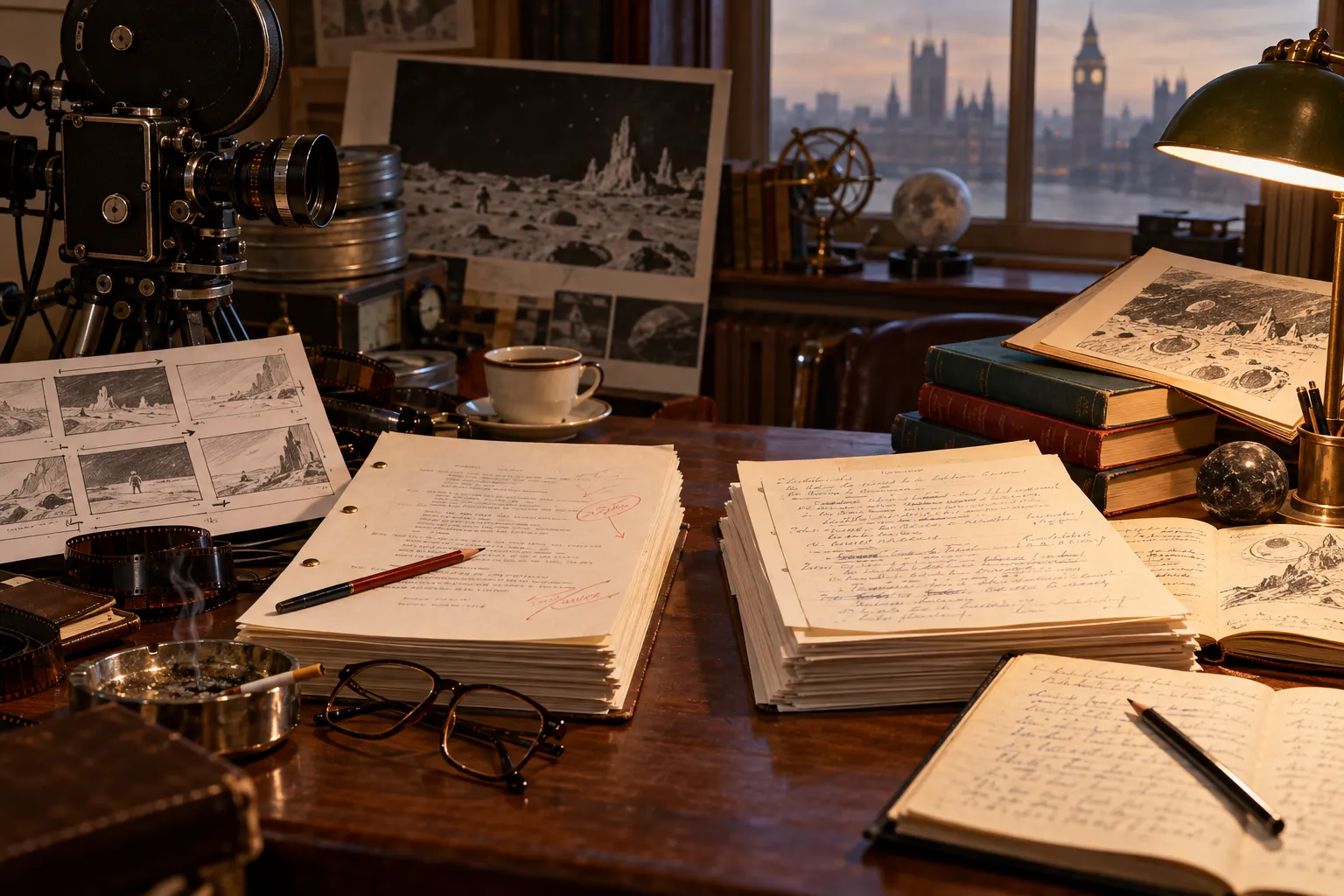
AI-generated editorial still life contrasting screenplay materials and storyboards with a novelist's annotated pages, representing the parallel development of the film and book.
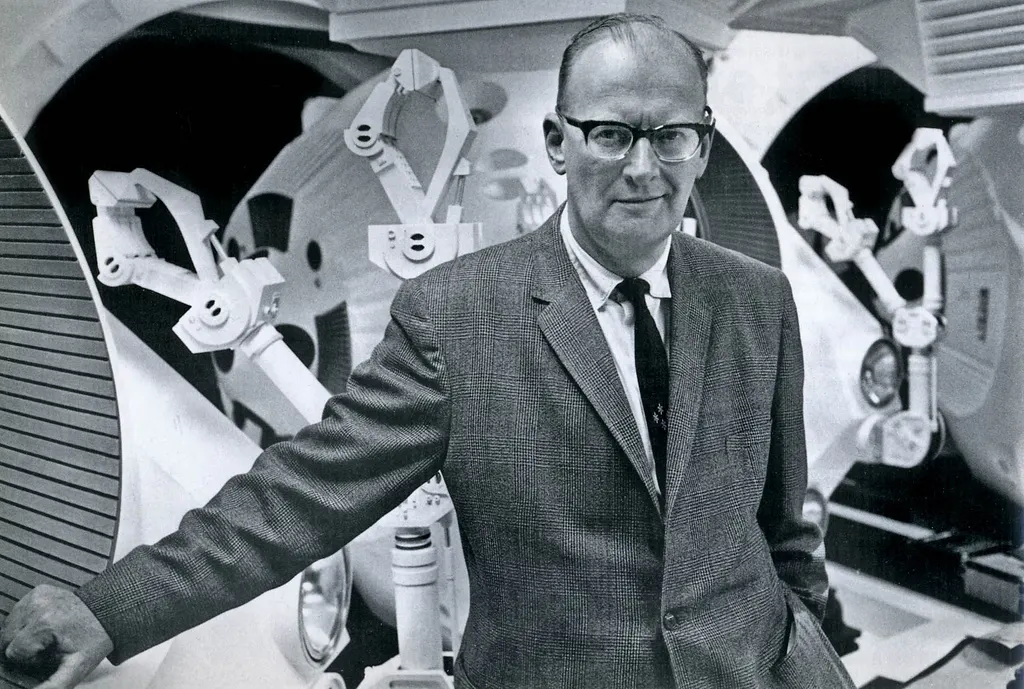
Documentary portrait of science-fiction writer Arthur C. Clarke in 1965. Photographer: ITU Pictures. CC BY 2.0. Original: https://commons.wikimedia.org/wiki/File:Arthur_C._Clarke_1965.jpg. Attribution: “ITU Pictures, CC BY 2.0, via Wikimedia Commons.” No edits.
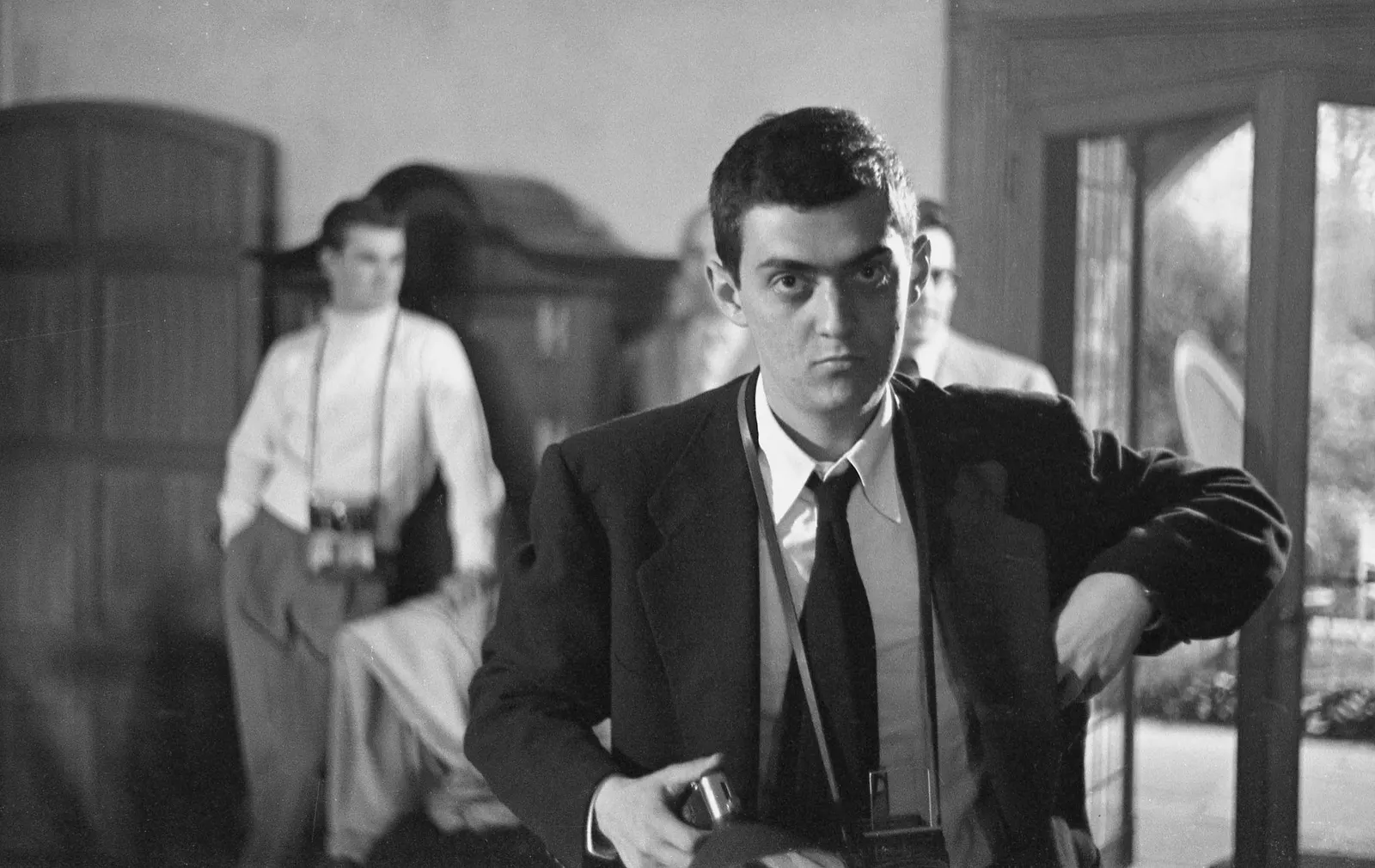
Documentary portrait of filmmaker Stanley Kubrick with a camera at Sadler’s Wells Theatre in 1949. Photographer: Phillip Harrington, for LOOK Magazine. Public domain; Library of Congress LOOK collection states rights were dedicated to the public. Original: https://commons.wikimedia.org/wiki/File:Stanley_Kubrick_(1949_portrait_by_Phillip_Harrington).jpg. Credit retained as Phillip Harrington / LOOK Magazine / Library of Congress. No edits.

Титульна AI-згенерована ілюстрація / AI-generated cover illustration. Two fictionalized mid-1960s collaborators discuss manuscripts beside a symbolic monolith maquette, representing Kubrick and Clarke's joint development of *2001: A Space Odyssey*.

Listen to fact0:00 / —

Stanley Kubrick’s film *2001: A Space Odyssey* grew out of his collaboration with writer Arthur C. Clarke and drew, among other inspirations, on Clarke’s short story “The Sentinel.” It was not a straightforward adaptation of an already completed novel: Clarke and Kubrick developed the screenplay and Clarke’s novel in parallel, and the book adds explanations of its own and differs from the film. [1–3]