WattSearch
Your WattLeaderboard
Language
Autoplay narration
Appearance

Feedback

Have a question or an idea? Something not working? Send us a message.

What would you like to share?
Up to 3 files, 5 MB each, 12 MB total.
Or contact us directly

Direct contacts open a separate chat or email. Files attached here are not included.

arohalya@gmail.com
A little wonder, every day

How NASA tracks asteroids
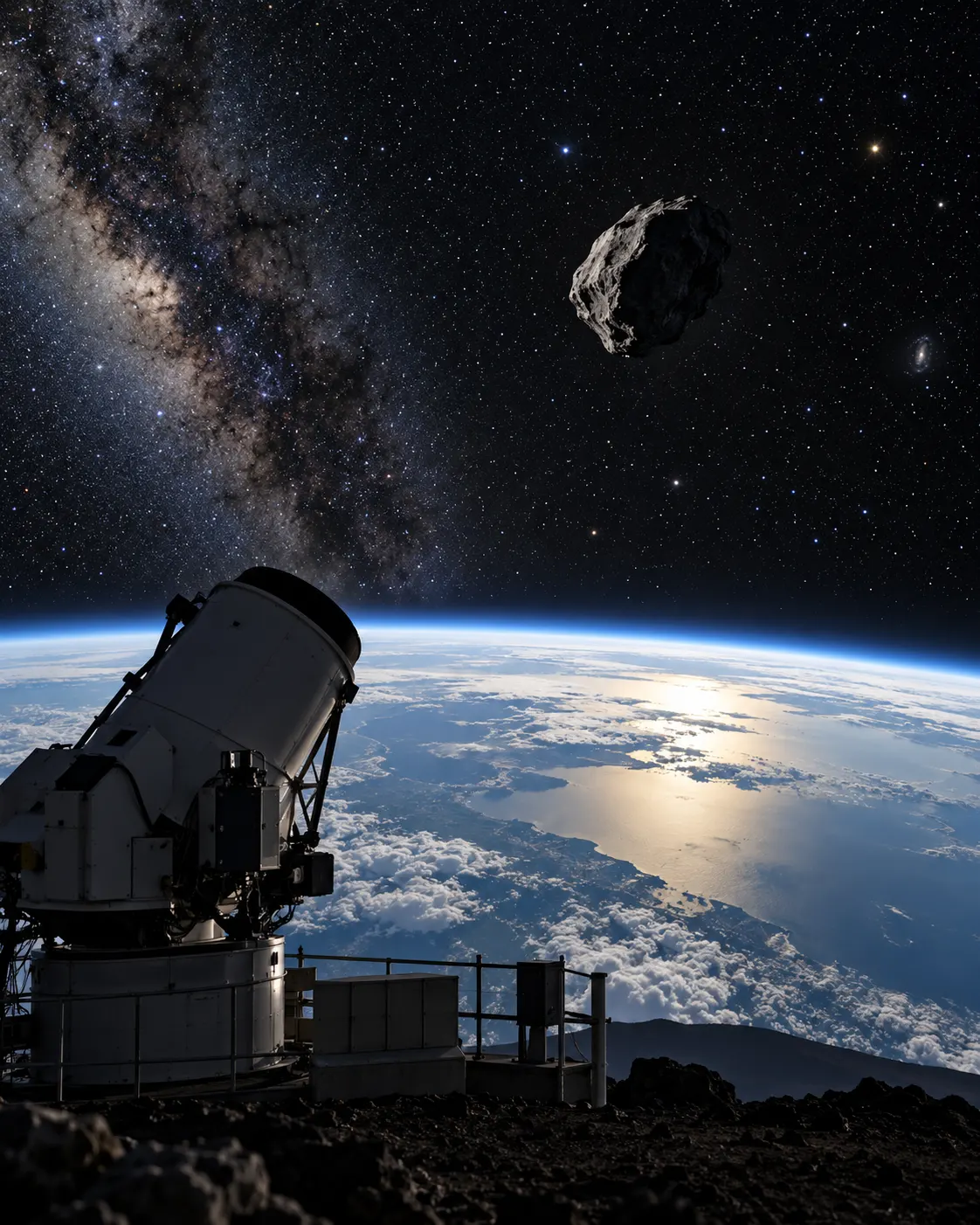
AI-generated cover showing a generic near-Earth asteroid and telescope silhouette; symbolic image, not a specific object or NASA mission. Prompt: “Photorealistic editorial cover about NASA tracking near-Earth asteroids: a small dark asteroid against stars above Earth’s curved horizon, with a ground-based telescope silhouette in the foreground, vertical 4:5, scientifically plausible proportions and naturalistic NASA science-photo aesthetic. No explosion, impact, text, NASA logo, or claim this depicts a specific asteroid.” Generated 2026-10-19.
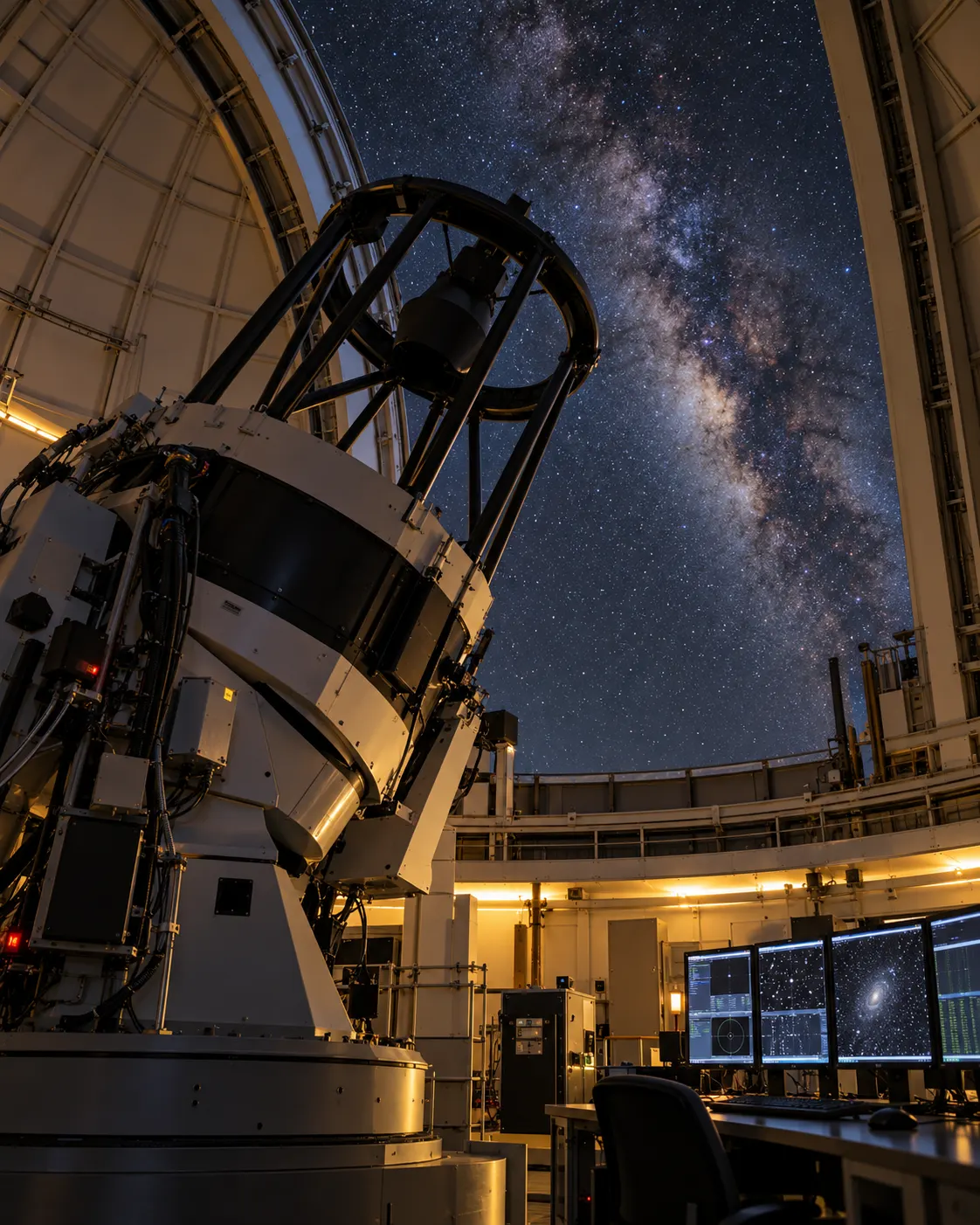
AI-generated generic asteroid survey observatory interior, not a named facility. Prompt: “Photorealistic editorial view of astronomers' observatory at night: large optical survey telescope aimed at a clear star field, monitor glow and dome interior, no people identifiable, vertical 4:5. Realistic science documentary style, no logos, no text, no claim this is a particular NASA facility.” Generated 2026-10-19.
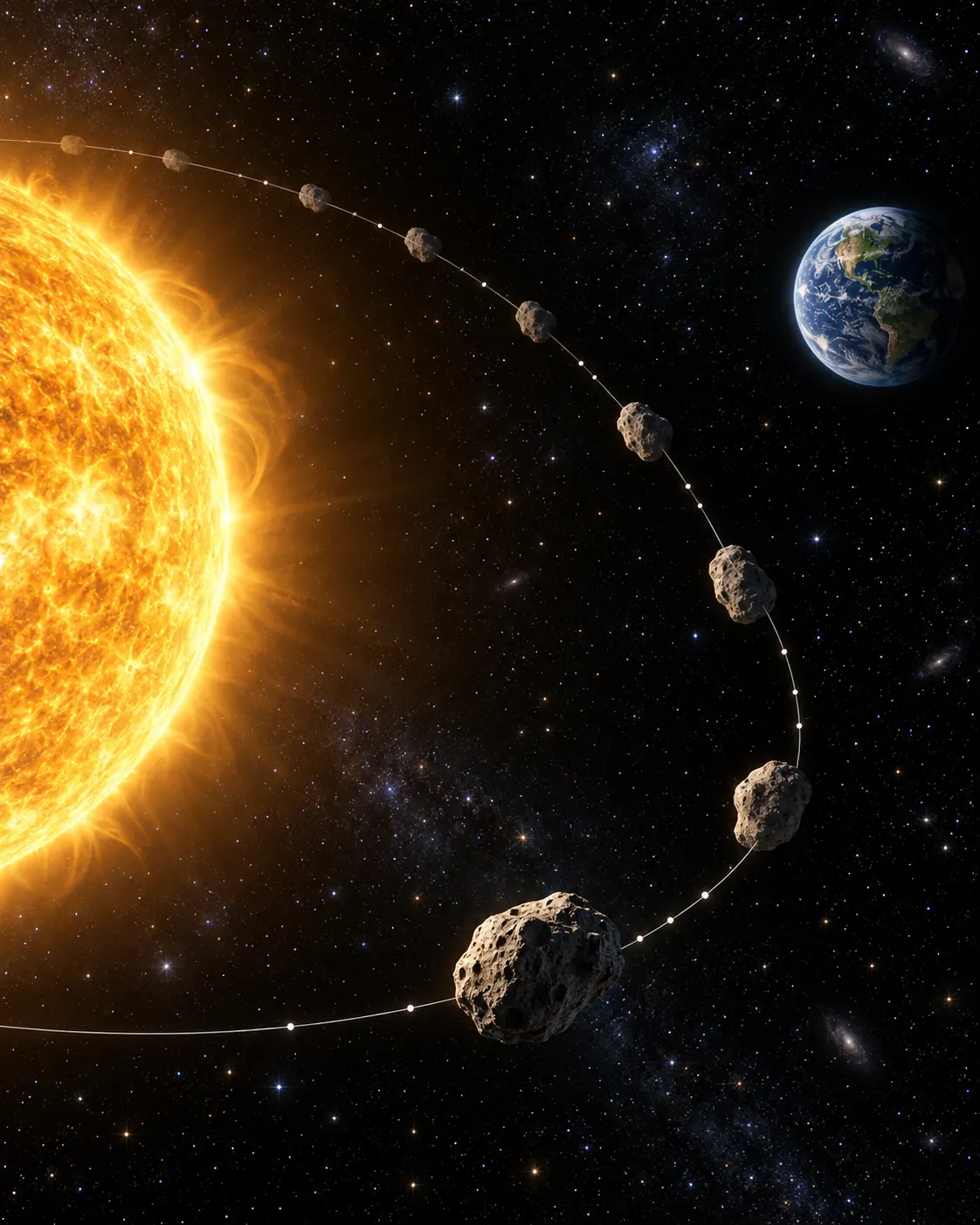
AI-generated educational visualization of repeated asteroid observations refining an orbit, with no specific object, data, or scale asserted. Prompt: “Photorealistic scientific visualization of a near-Earth asteroid orbit refined through repeated observations: small irregular rocky body with several subtle dotted observation positions along a curved orbital path around the Sun and Earth shown at a distance, deep black starfield, vertical 4:5. Educational editorial graphic with no labels, numbers, text, logos, or specific object designation.” Generated 2026-10-19.
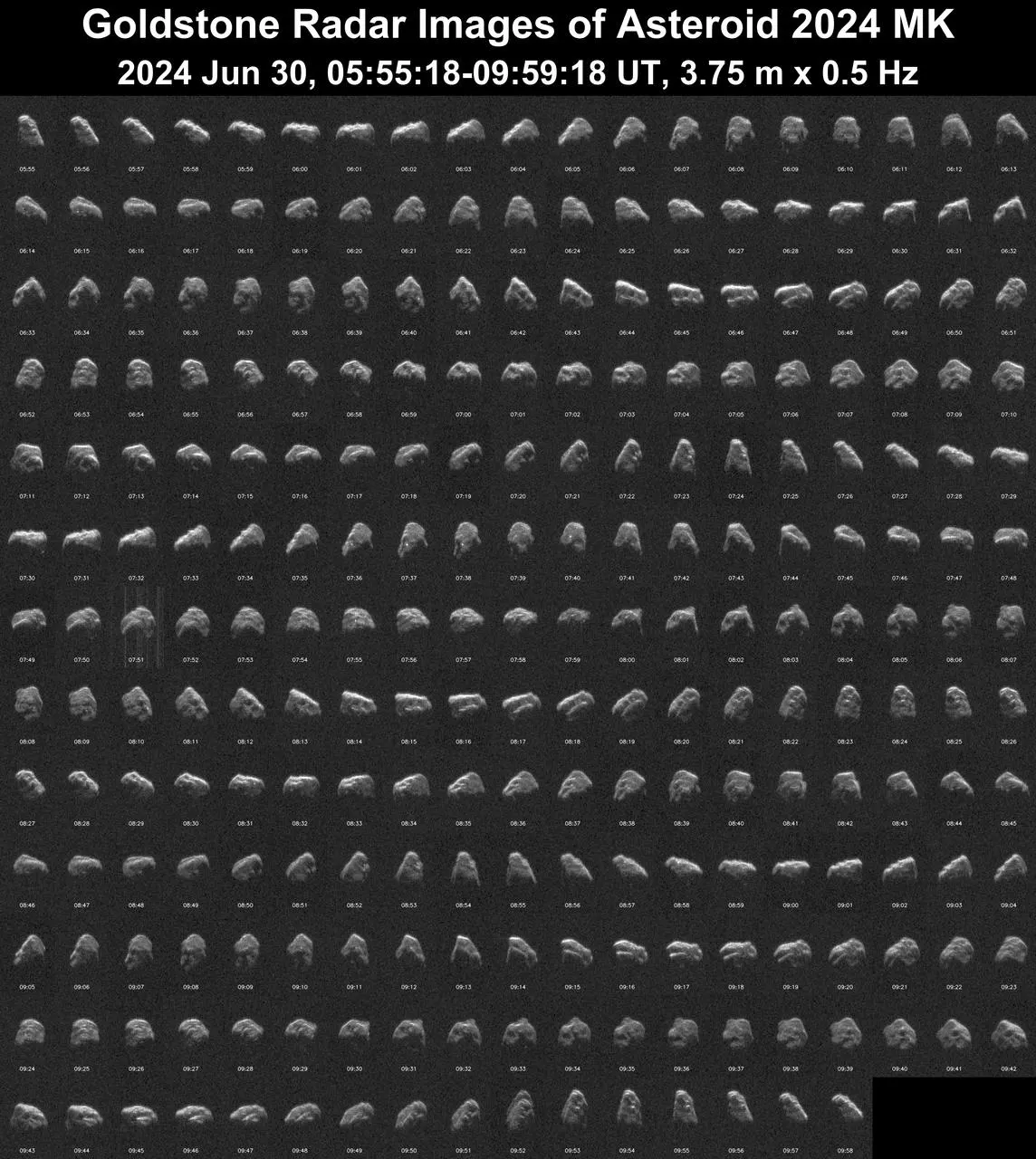
documented Goldstone radar observations of near-Earth asteroid 2024 MK on June 30, 2024; NASA/JPL image PIA26383. Original page: https://www.jpl.nasa.gov/images/pia26383-detailed-planetary-radar-observations-of-asteroid-2024-mk/ . NASA/JPL documentary radar data visualization; NASA government image available for reuse absent a third-party rights notice. Attribution: “NASA/JPL-Caltech.” Downloaded NASA 1280px rendition; no edits. It is an observational radar image, not an optical photograph.
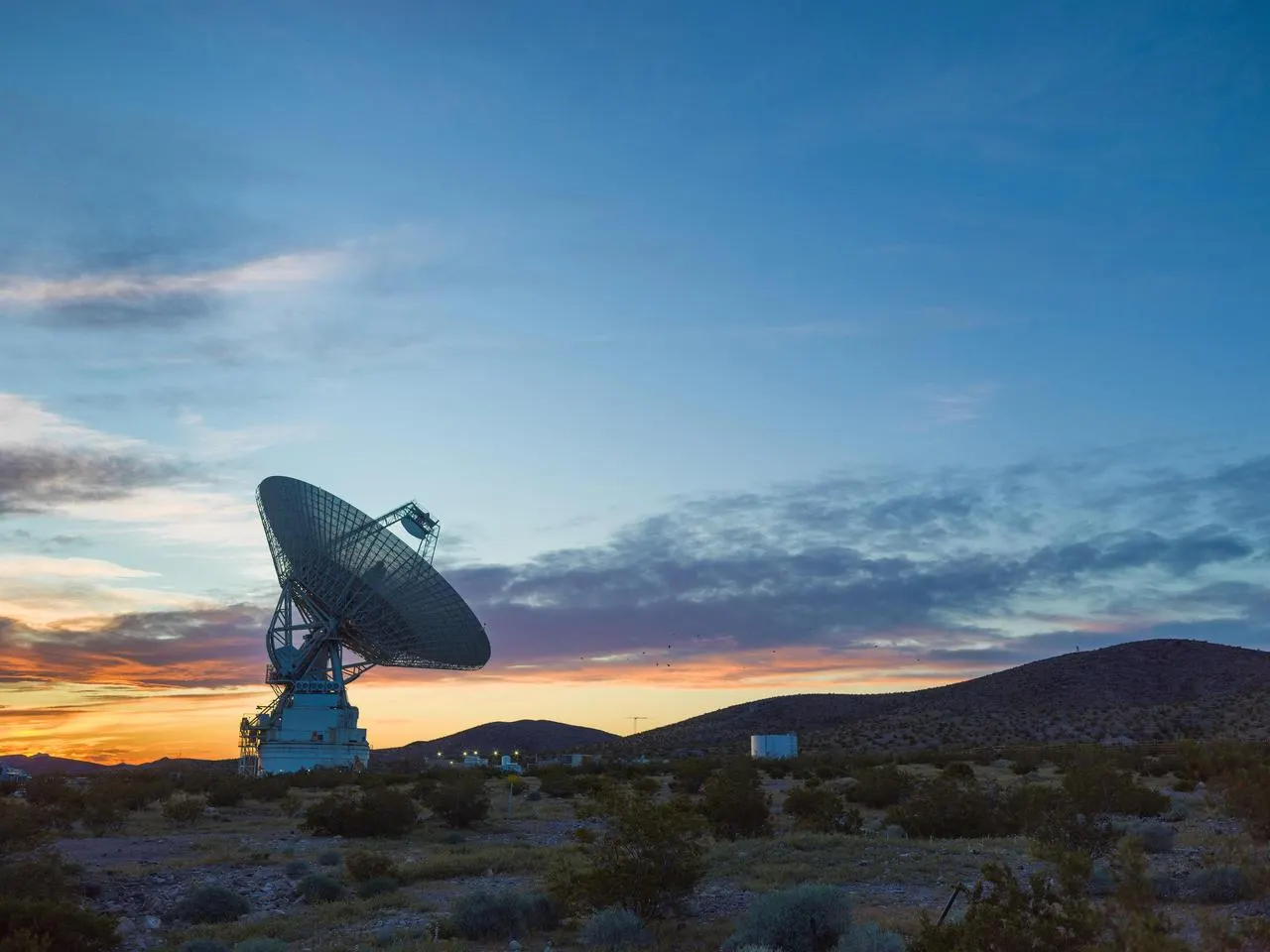
photograph of Goldstone DSS-14 70-meter radar antenna at sunset. Original page: https://science.nasa.gov/photojournal/the-goldstone-solar-system-radar-at-sunset/ . Photographer/credit listed by NASA Photojournal; public NASA imagery, with credit NASA/JPL-Caltech unless page-specific credit directs otherwise. Downloaded NASA 1280px rendition; no edits.

AI-generated cover showing a generic near-Earth asteroid and telescope silhouette; symbolic image, not a specific object or NASA mission. Prompt: “Photorealistic editorial cover about NASA tracking near-Earth asteroids: a small dark asteroid against stars above Earth’s curved horizon, with a ground-based telescope silhouette in the foreground, vertical 4:5, scientifically plausible proportions and naturalistic NASA science-photo aesthetic. No explosion, impact, text, NASA logo, or claim this depicts a specific asteroid.” Generated 2026-10-19.

Listen to fact0:00 / —

Asteroid-disaster films portray impacts as sudden threats, while NASA tracks near-Earth objects systematically: telescope surveys find them, follow-up observations refine their orbits, and the Sentry system continually checks for possible impacts over the next 100 years. For a newly discovered object, the first observations may not be enough to determine its orbit precisely. Additional measurements usually narrow the uncertainty and often remove an initially possible impact risk. An asteroid appearing on a monitoring list means it needs further observations, not that an impact is predicted to happen.