How NASA tracks asteroids
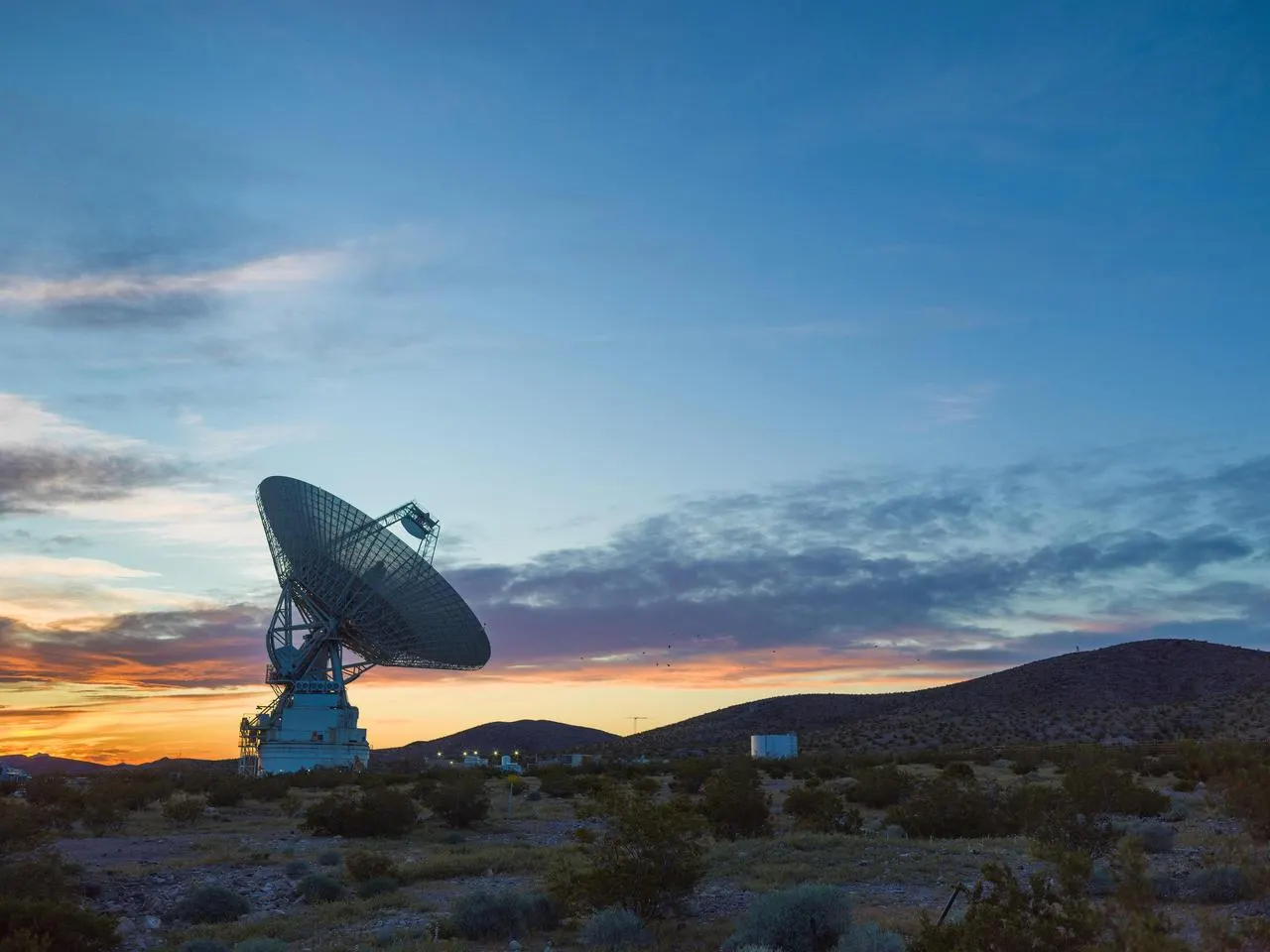
AI-generated cover showing a generic near-Earth asteroid and telescope silhouette; symbolic image, not a specific object or NASA mission. Prompt: “Photorealistic editorial cover about NASA tracking near-Earth asteroids: a small dark asteroid against stars above Earth’s curved horizon, with a ground-based telescope silhouette in the foreground, vertical 4:5, scientifically plausible proportions and naturalistic NASA science-photo aesthetic. No explosion, impact, text, NASA logo, or claim this depicts a specific asteroid.” Generated 2026-10-19.
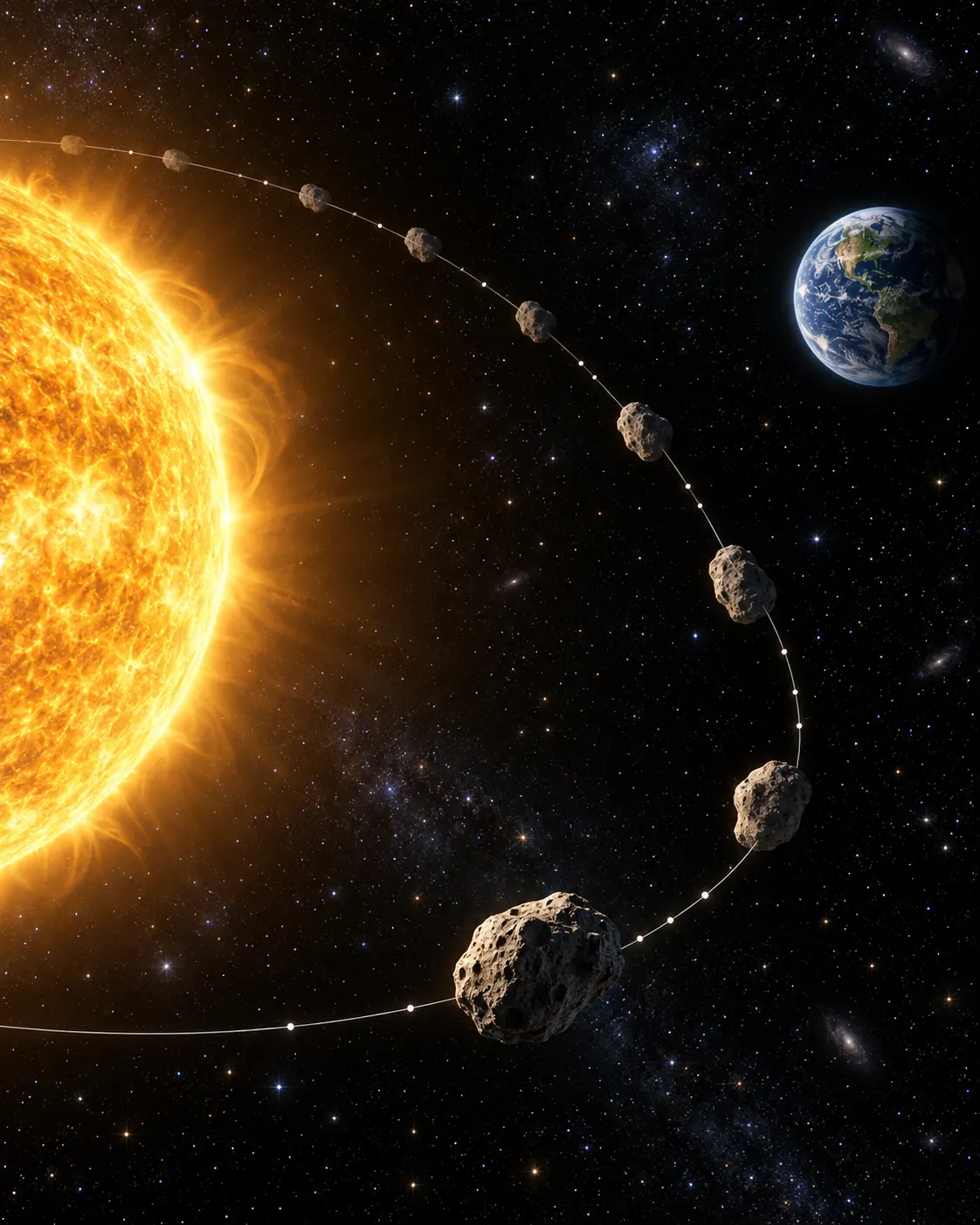
Asteroid-disaster films portray impacts as sudden threats, while NASA tracks near-Earth objects systematically: telescope surveys find them, follow-up observations refine their orbits, and the Sentry system continually checks for possible impacts over the next 100 years. For a newly discovered object, the first observations may not be enough to determine its orbit precisely. Additional measurements usually narrow the uncertainty and often remove an initially possible impact risk. An asteroid appearing on a monitoring list means it needs further observations, not that an impact is predicted to happen.