WattПошук
Твій WattРейтинг
Мова
Автоозвучення
Оформлення

Зворотний зв’язок

Є питання чи ідея? Щось не працює? Надішли нам повідомлення.

Про що хочеш написати?
До 3 файлів, 5 МБ кожен, 12 МБ разом.
Або зв’яжися напряму

Прямі контакти відкривають окремий чат або лист. Прикріплені тут файли через них не передаються.

arohalya@gmail.com
Щодня щось дивовижне

як NASA стежить за астероїдами
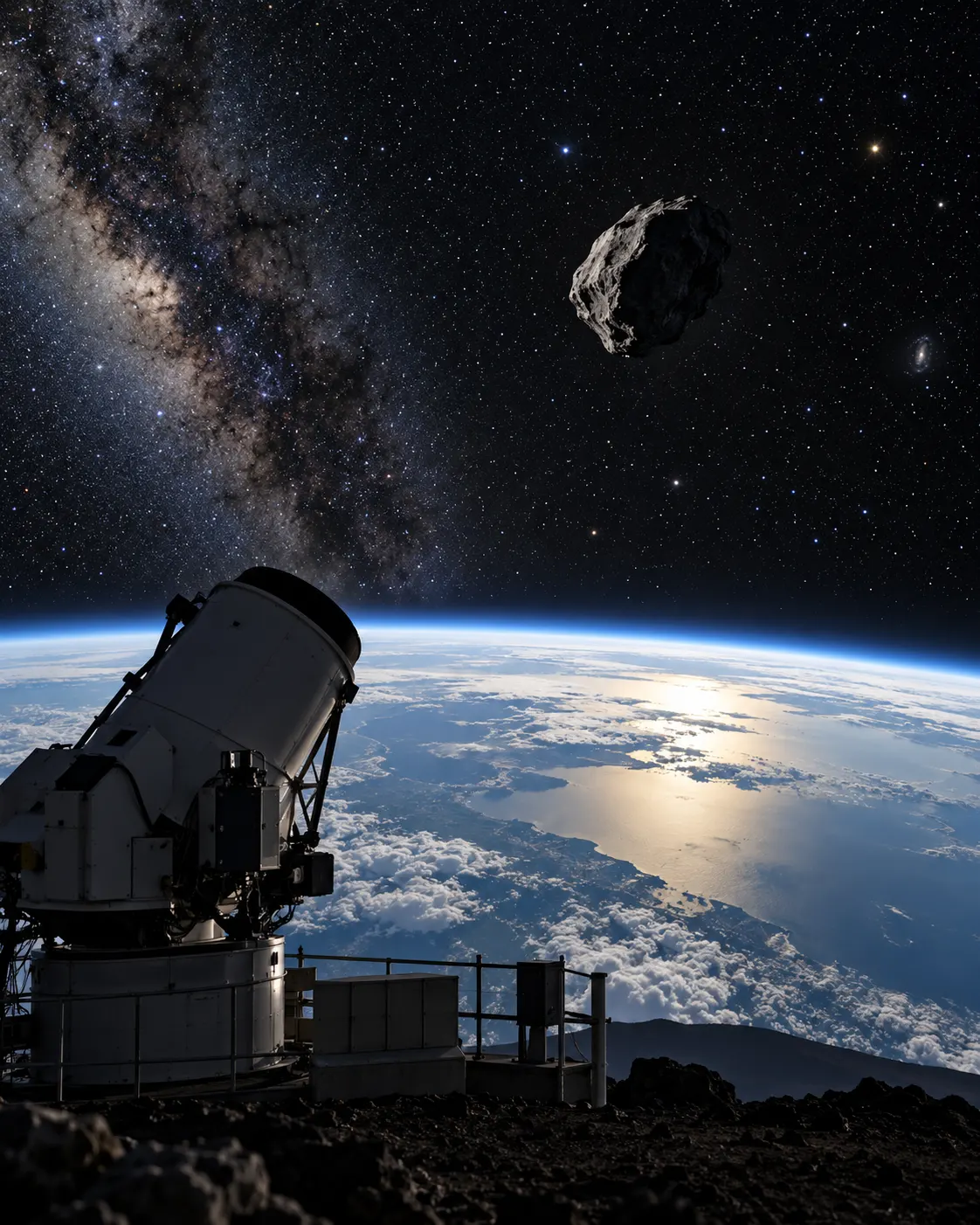
AI-generated cover showing a generic near-Earth asteroid and telescope silhouette; symbolic image, not a specific object or NASA mission. Prompt: “Photorealistic editorial cover about NASA tracking near-Earth asteroids: a small dark asteroid against stars above Earth’s curved horizon, with a ground-based telescope silhouette in the foreground, vertical 4:5, scientifically plausible proportions and naturalistic NASA science-photo aesthetic. No explosion, impact, text, NASA logo, or claim this depicts a specific asteroid.” Generated 2026-10-19.
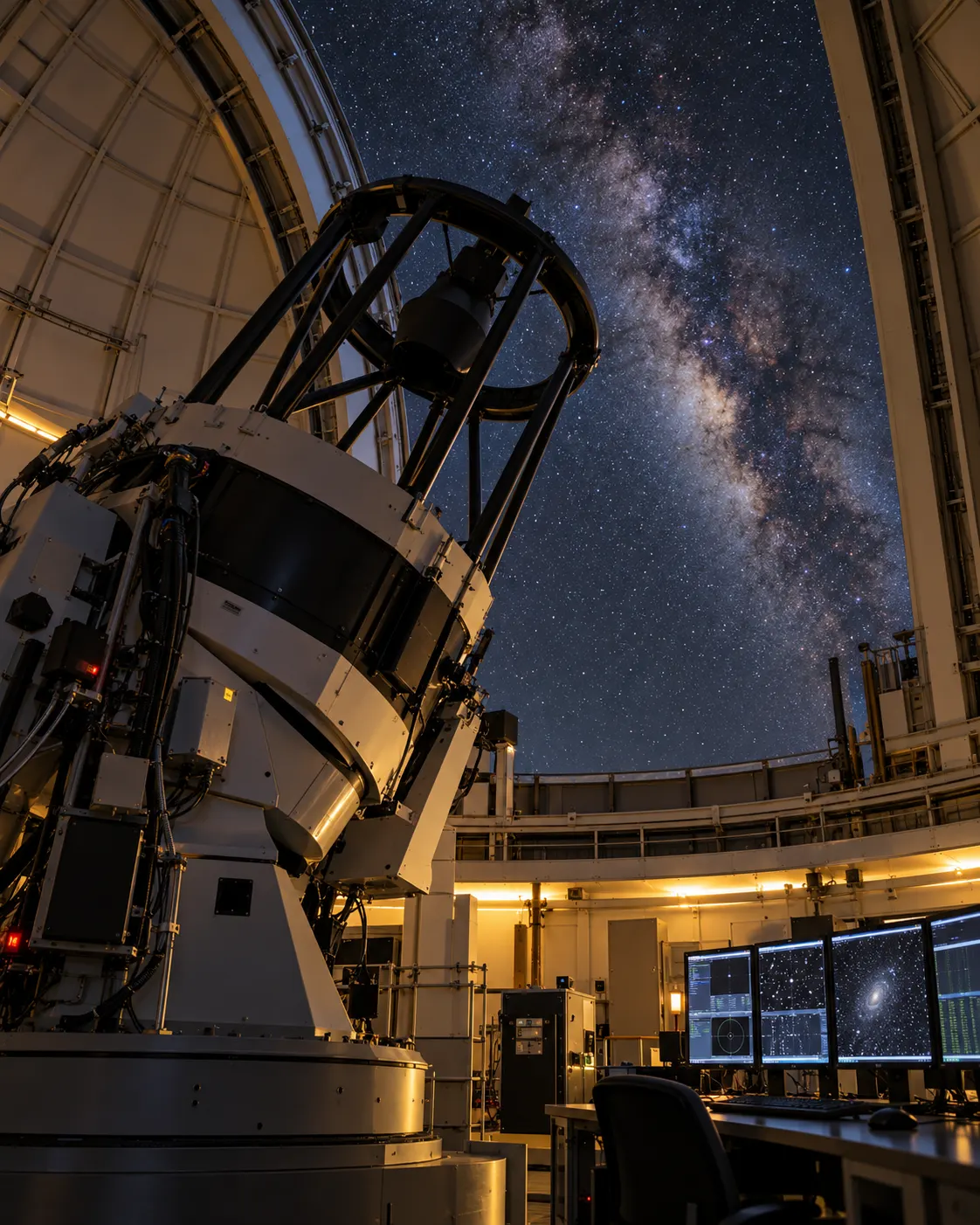
AI-generated generic asteroid survey observatory interior, not a named facility. Prompt: “Photorealistic editorial view of astronomers' observatory at night: large optical survey telescope aimed at a clear star field, monitor glow and dome interior, no people identifiable, vertical 4:5. Realistic science documentary style, no logos, no text, no claim this is a particular NASA facility.” Generated 2026-10-19.
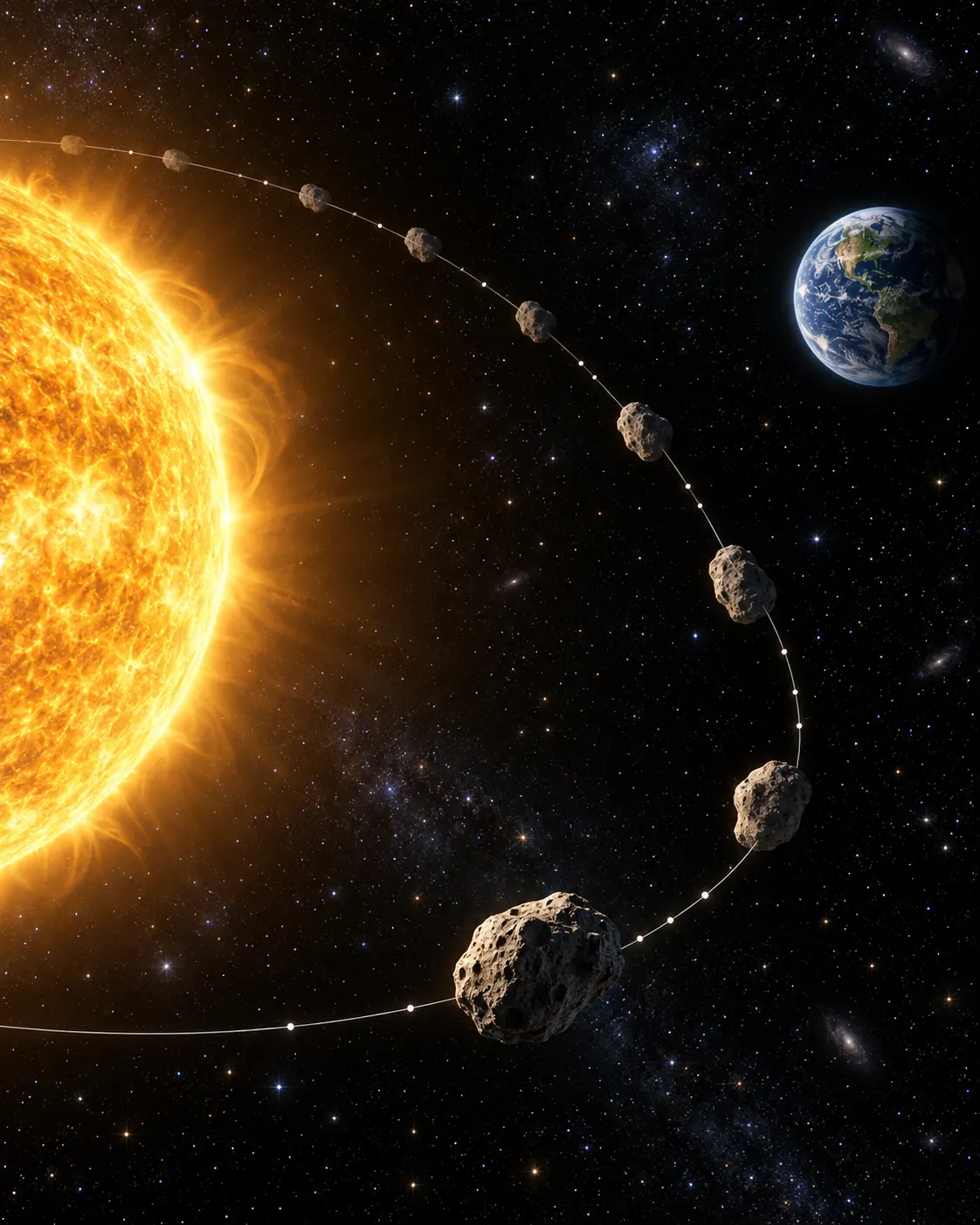
AI-generated educational visualization of repeated asteroid observations refining an orbit, with no specific object, data, or scale asserted. Prompt: “Photorealistic scientific visualization of a near-Earth asteroid orbit refined through repeated observations: small irregular rocky body with several subtle dotted observation positions along a curved orbital path around the Sun and Earth shown at a distance, deep black starfield, vertical 4:5. Educational editorial graphic with no labels, numbers, text, logos, or specific object designation.” Generated 2026-10-19.
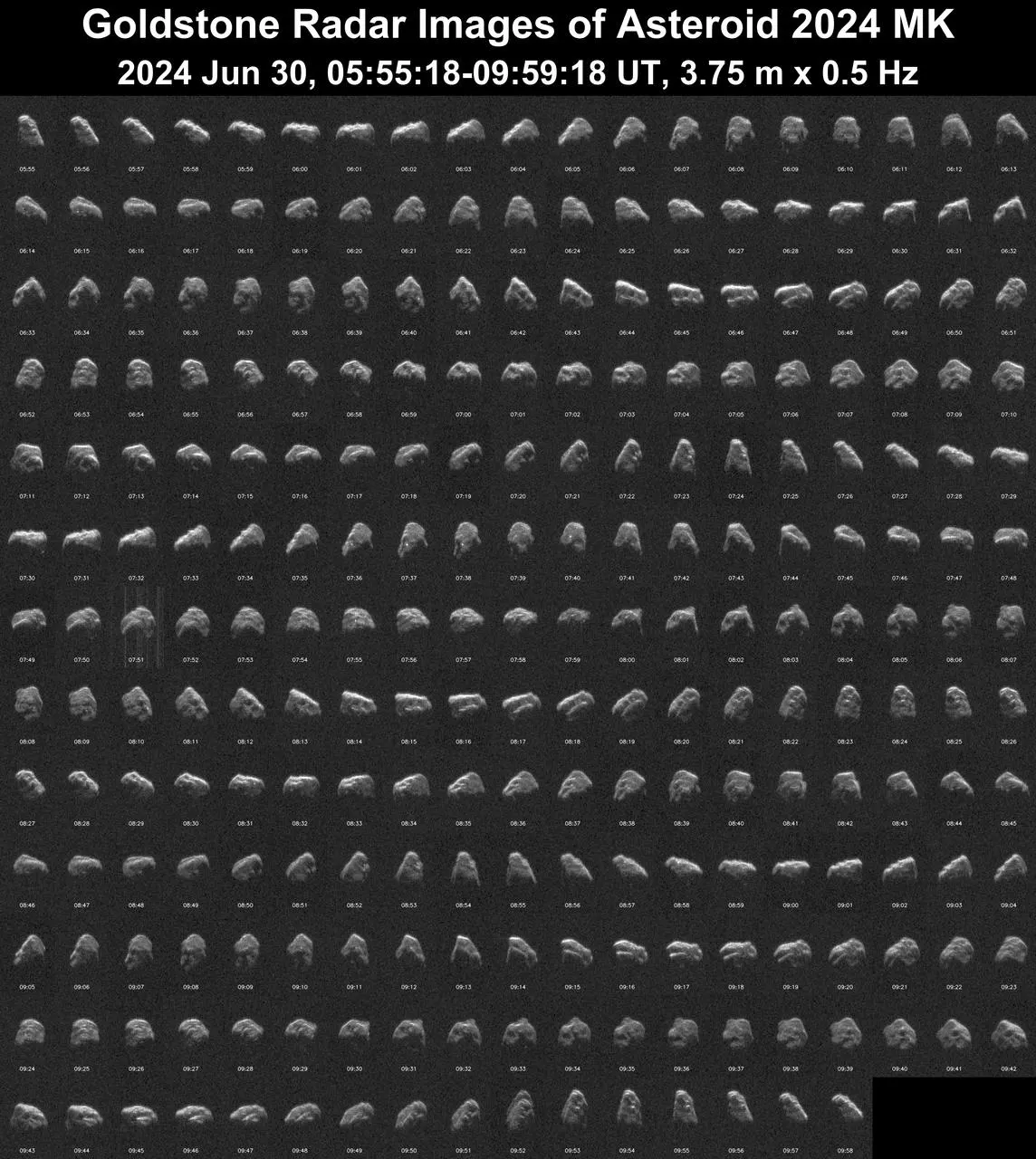
documented Goldstone radar observations of near-Earth asteroid 2024 MK on June 30, 2024; NASA/JPL image PIA26383. Original page: https://www.jpl.nasa.gov/images/pia26383-detailed-planetary-radar-observations-of-asteroid-2024-mk/ . NASA/JPL documentary radar data visualization; NASA government image available for reuse absent a third-party rights notice. Attribution: “NASA/JPL-Caltech.” Downloaded NASA 1280px rendition; no edits. It is an observational radar image, not an optical photograph.
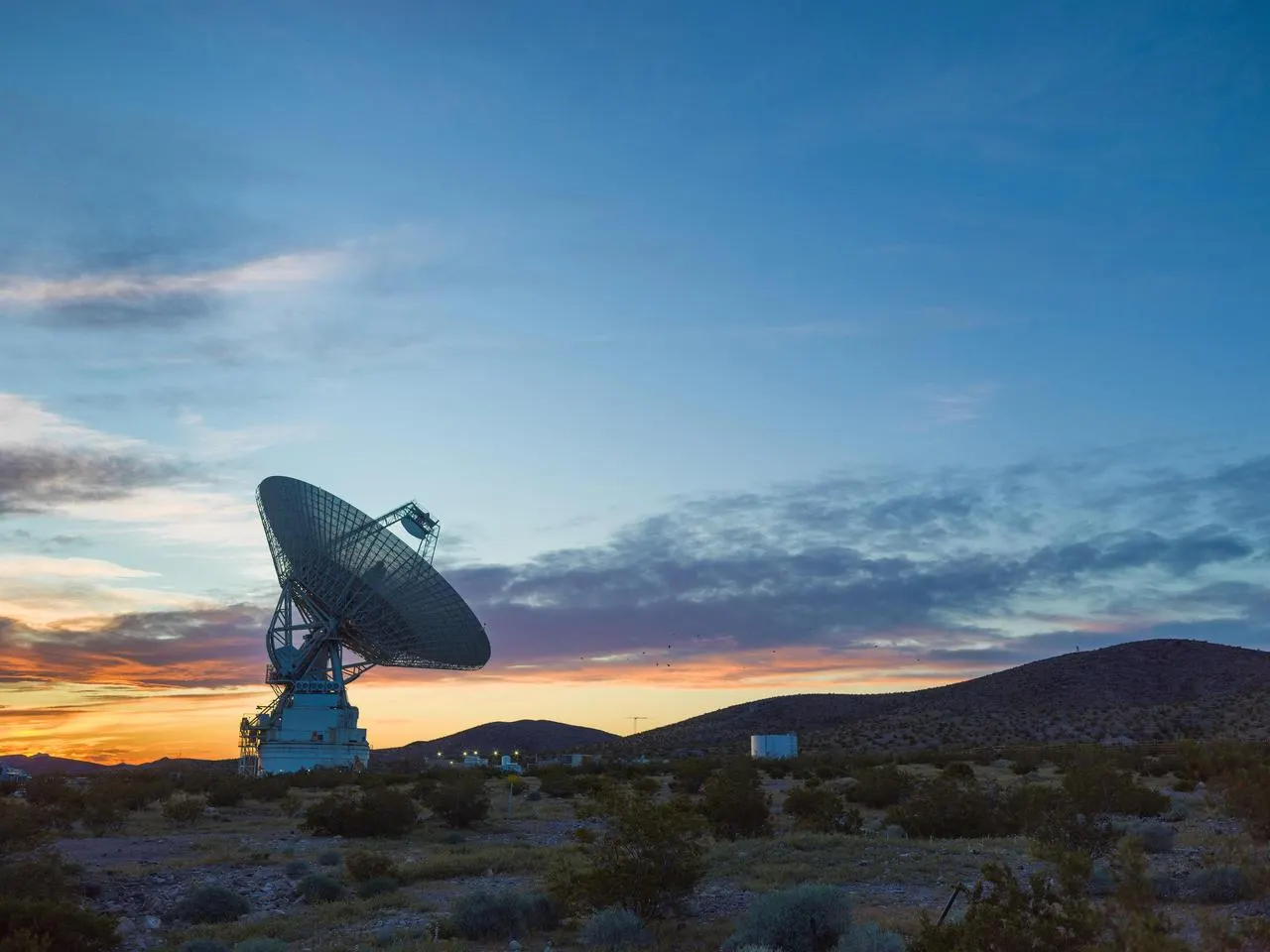
photograph of Goldstone DSS-14 70-meter radar antenna at sunset. Original page: https://science.nasa.gov/photojournal/the-goldstone-solar-system-radar-at-sunset/ . Photographer/credit listed by NASA Photojournal; public NASA imagery, with credit NASA/JPL-Caltech unless page-specific credit directs otherwise. Downloaded NASA 1280px rendition; no edits.

AI-generated cover showing a generic near-Earth asteroid and telescope silhouette; symbolic image, not a specific object or NASA mission. Prompt: “Photorealistic editorial cover about NASA tracking near-Earth asteroids: a small dark asteroid against stars above Earth’s curved horizon, with a ground-based telescope silhouette in the foreground, vertical 4:5, scientifically plausible proportions and naturalistic NASA science-photo aesthetic. No explosion, impact, text, NASA logo, or claim this depicts a specific asteroid.” Generated 2026-10-19.

Слухати факт0:00 / —

Фільми про астероїдні катастрофи показують зіткнення як раптову загрозу, а NASA відстежує навколоземні об’єкти систематично: телескопічні огляди знаходять їх, повторні спостереження уточнюють орбіти, а система Sentry безперервно перевіряє можливі зіткнення протягом наступних ста років. Для щойно відкритого об’єкта перших спостережень може бути замало, щоб точно визначити орбіту. Додаткові вимірювання зазвичай звужують невизначеність і часто знімають початково можливий ризик зіткнення. Поява астероїда у списку моніторингу означає потребу в спостереженнях, а не прогноз неминучого удару.