WattSearch
Your WattLeaderboard
Language
Autoplay narration
Appearance

Feedback

Have a question or an idea? Something not working? Send us a message.

What would you like to share?
Up to 3 files, 5 MB each, 12 MB total.
Or contact us directly

Direct contacts open a separate chat or email. Files attached here are not included.

arohalya@gmail.com
A little wonder, every day

Plants respond to chemical cues

AI-generated cover illustration of a giraffe browsing an acacia-like tree on the savanna; it depicts the ecological setting, not chemical signals or proof of tree-to-tree communication.
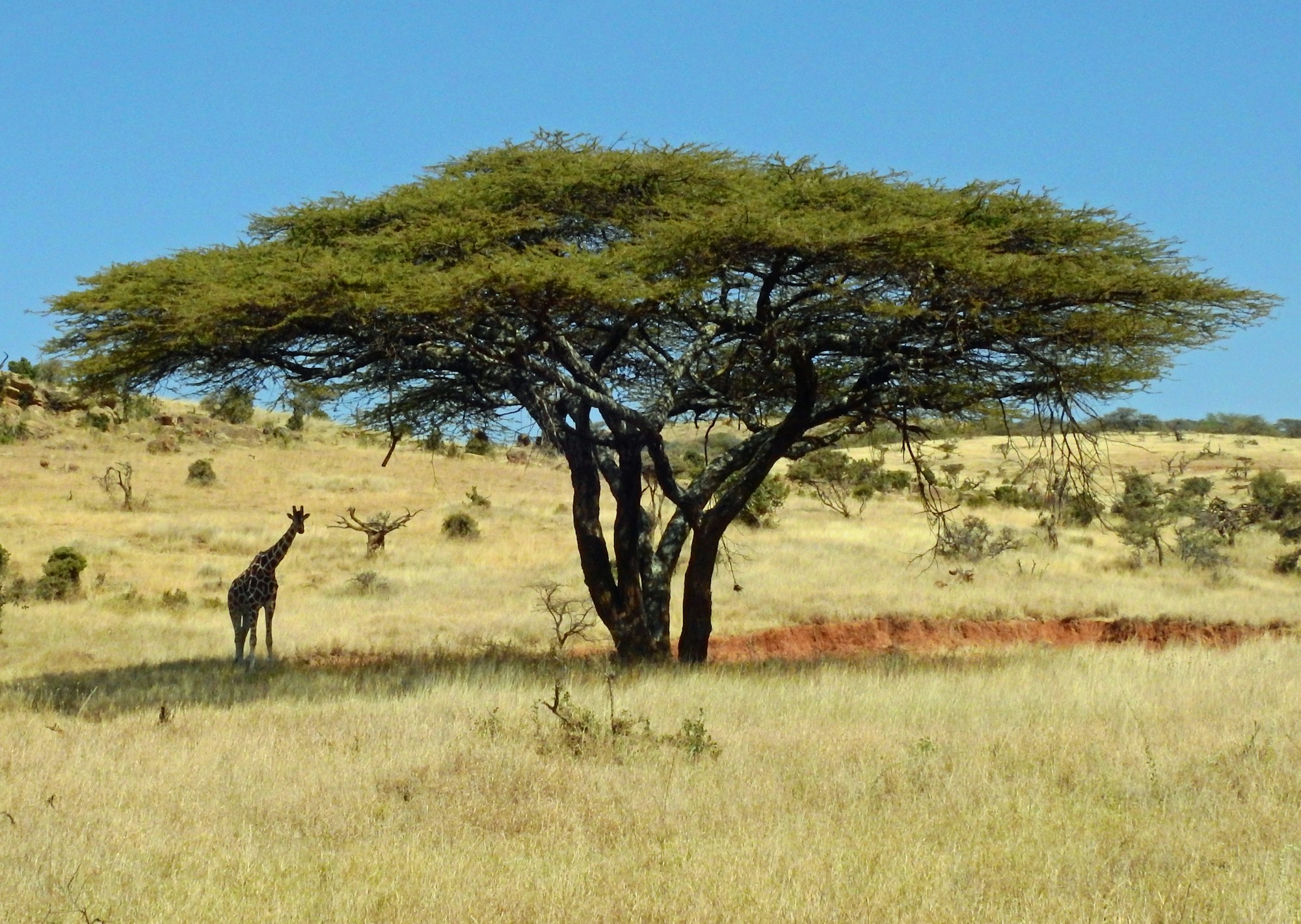
Documentary photograph of a giraffe beneath a broad acacia-like tree at Lewa Wildlife Conservancy, Isiolo, Kenya.
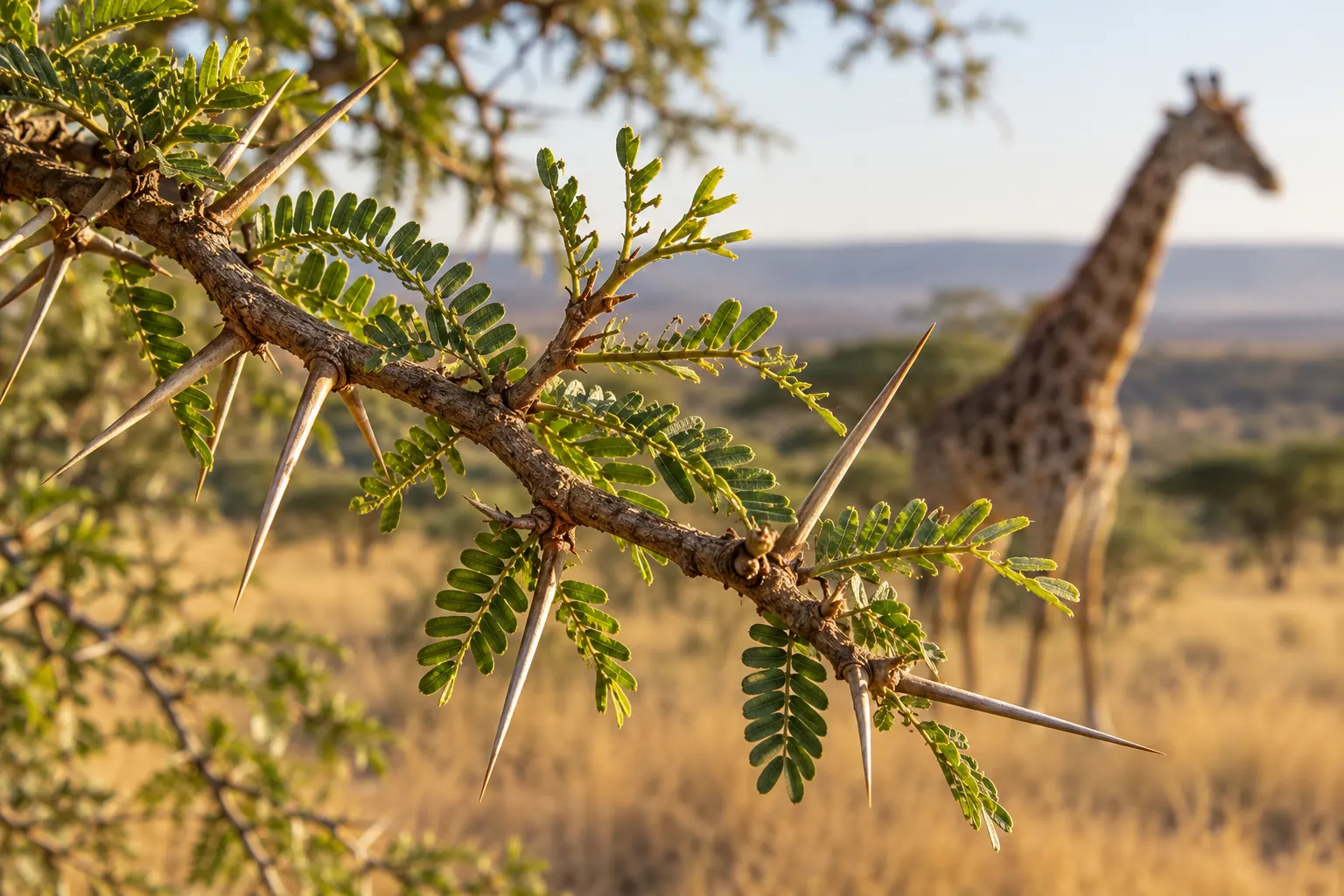
AI-generated close view of a thorny acacia-like branch with grazed foliage and a giraffe out of focus; generic, not a species identification.
AI-generated field-observation scene with a researcher watching a giraffe browse; not a real study or documented researcher.

AI-generated cover illustration of a giraffe browsing an acacia-like tree on the savanna; it depicts the ecological setting, not chemical signals or proof of tree-to-tree communication.

Listen to fact0:00 / —

Some damaged plants release volatile chemicals; in a number of studies, neighboring plants became more resistant to herbivores after exposure. But this does not prove the popular story that acacias warn their neighbors specifically about giraffes: a study of Acacia sieberiana recorded local defensive changes associated with giraffe browsing, but did not test a signal passing from one tree to another. [1, 2]