WattSearch
Your WattLeaderboard
Language
Autoplay narration
Appearance

Feedback

Have a question or an idea? Something not working? Send us a message.

What would you like to share?
Up to 3 files, 5 MB each, 12 MB total.
Or contact us directly

Direct contacts open a separate chat or email. Files attached here are not included.

arohalya@gmail.com
A little wonder, every day

Why the ISS is visible at twilight
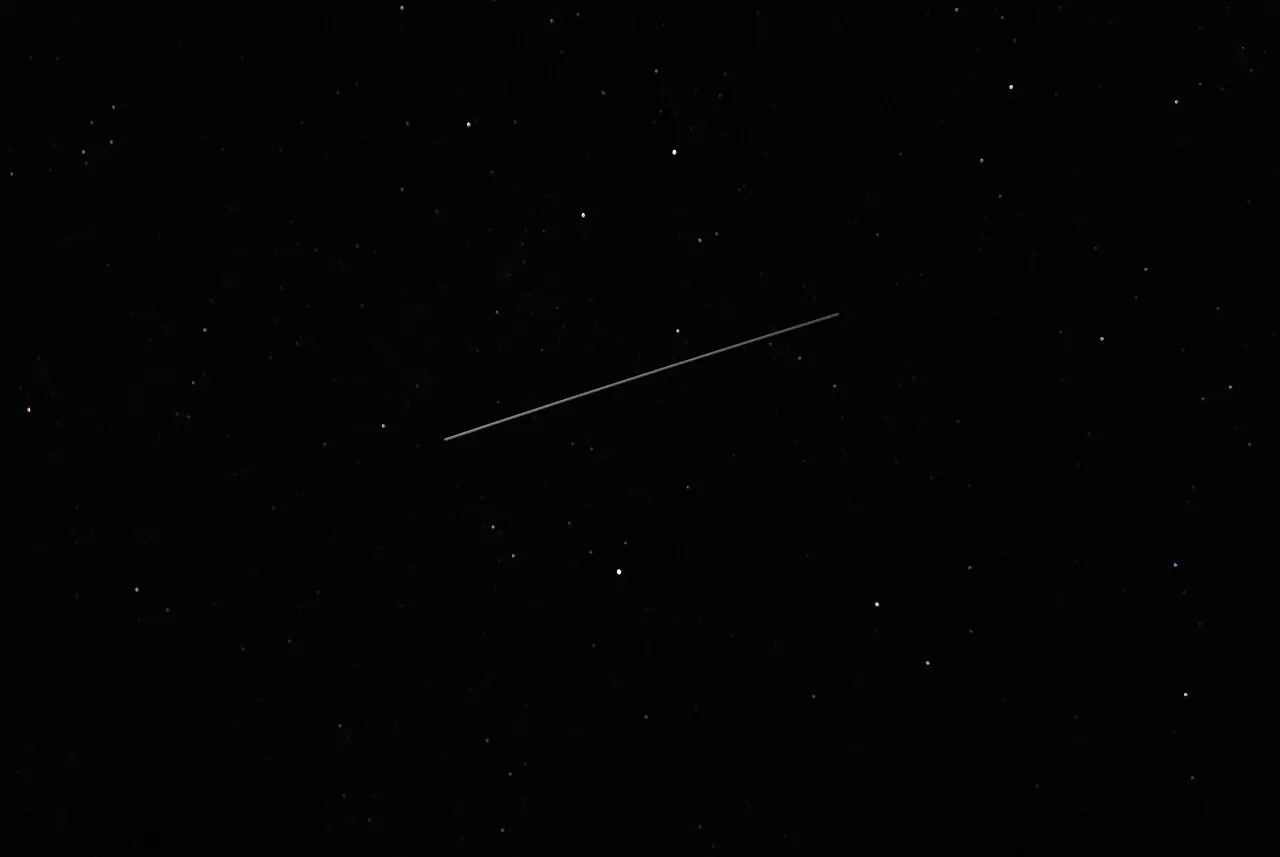
Наземне фото сліду МКС із тривалою витримкою: видимий шлях, а не фізична світна смуга / Ground-based long-exposure photograph of an ISS trail: a recorded path rather than a physical glowing streak. Credit: Comzeradd; CC BY-SA 3.0. https://creativecommons.org/licenses/by-sa/3.0 Source: https://commons.wikimedia.org/?curid=20393581
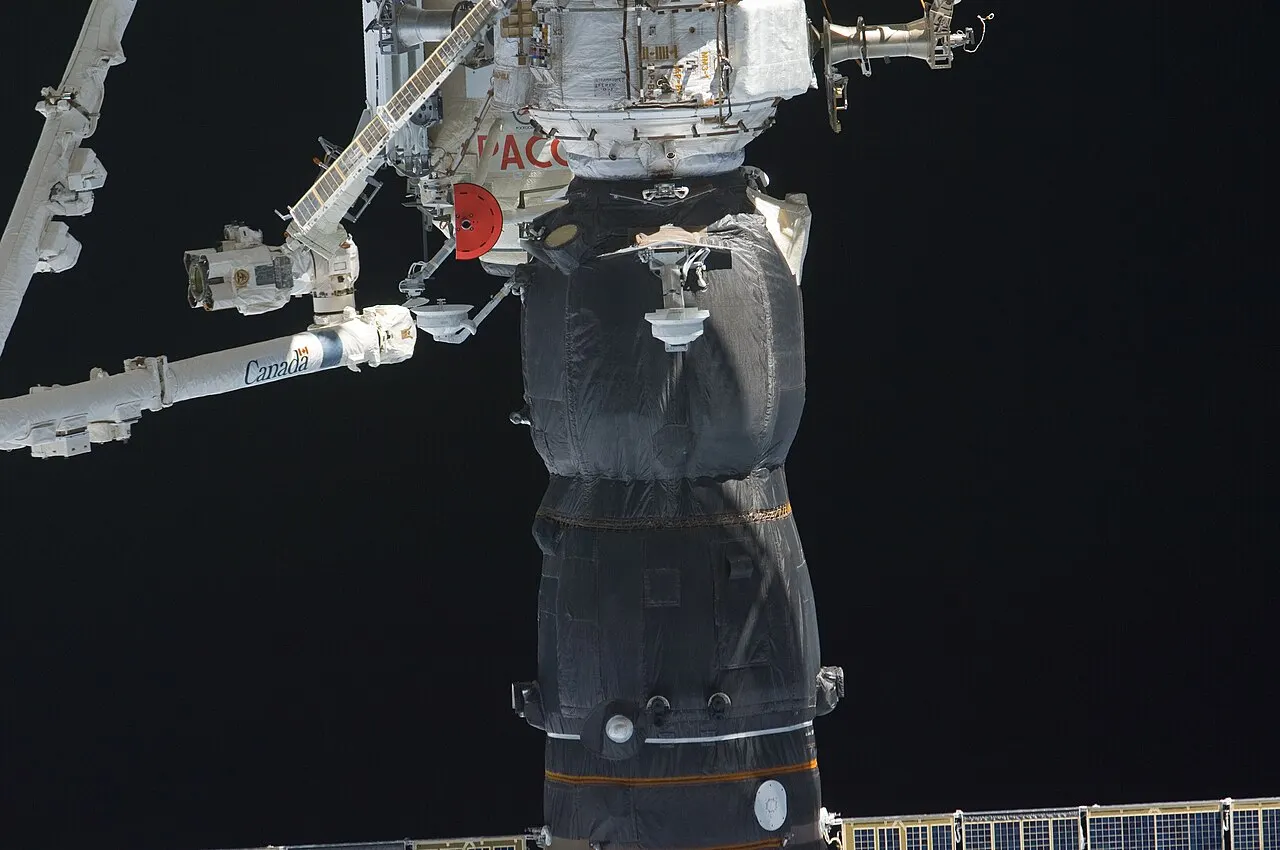
Станція на документальному фото NASA: великі поверхні відбивають сонячне світло / The station in a documentary NASA photograph, showing its large sunlight-reflecting surfaces; not a naked-eye view from the ground.

Наземне фото сліду МКС із тривалою витримкою: видимий шлях, а не фізична світна смуга / Ground-based long-exposure photograph of an ISS trail: a recorded path rather than a physical glowing streak. Credit: Comzeradd; CC BY-SA 3.0. https://creativecommons.org/licenses/by-sa/3.0 Source: https://commons.wikimedia.org/?curid=20393581

Listen to fact0:00 / —

The International Space Station can be seen with the unaided eye as a bright moving point. We see reflected sunlight, rather than its own lamps. Favorable passes occur near dawn or dusk, when the ground is dark but the station remains sunlit. Visibility depends on its path, cloud cover and illumination; the ISS is not permanently “third brightest” in the sky, so a fixed brightness ranking would be misleading.