WattSearch
Your WattLeaderboard
Language
Autoplay narration
Appearance

Feedback

Have a question or an idea? Something not working? Send us a message.

What would you like to share?
Up to 3 files, 5 MB each, 12 MB total.
Or contact us directly

Direct contacts open a separate chat or email. Files attached here are not included.

arohalya@gmail.com
A little wonder, every day

Insects supply nutrients to carnivorous plants
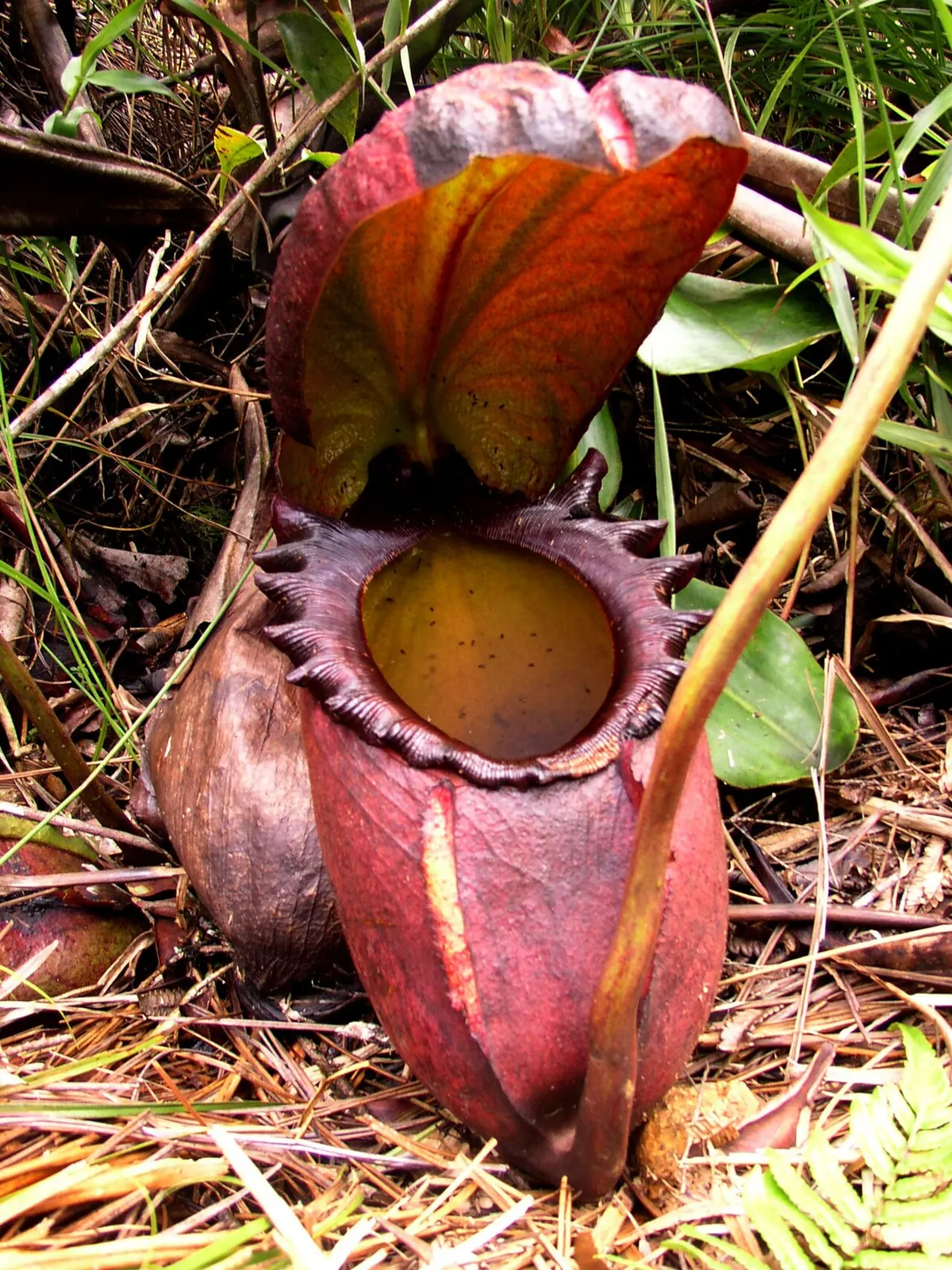
Глечик дикого Nepenthes rajah; приклад пастки цього роду, не зразок N. talangensis із досліду підгодівлі / A wild Nepenthes rajah pitcher; an example of the genus’s trap, not the N. talangensis feeding experiment.
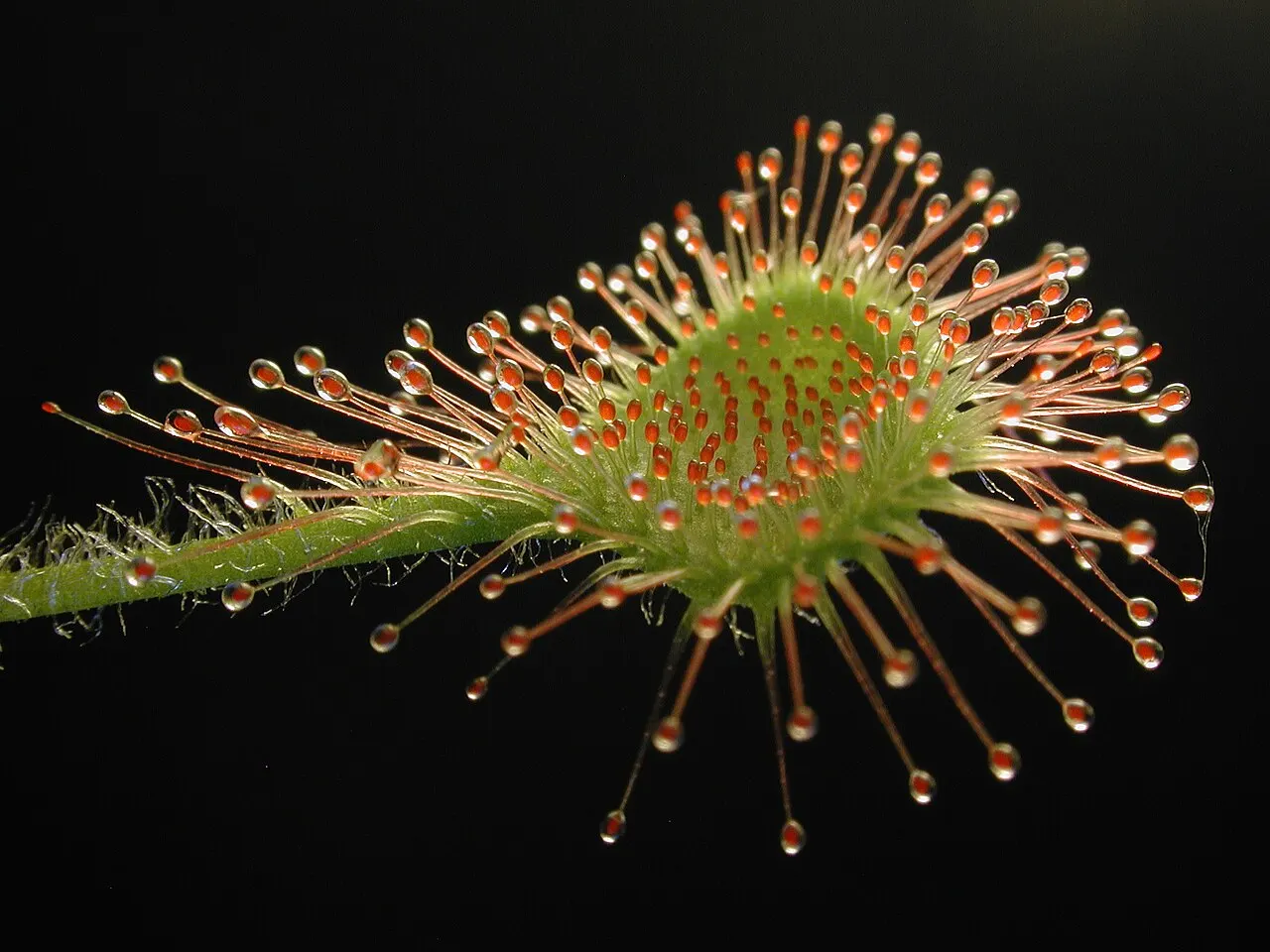
Клейкий залозистий листок культивованої Drosera rotundifolia; інший тип пастки, ніж глечик непентеса / Sticky glandular leaf of cultivated Drosera rotundifolia; a different trap type from a Nepenthes pitcher. Credit: Petr Dlouhý; CC BY-SA 3.0. http://creativecommons.org/licenses/by-sa/3.0/ Source: https://commons.wikimedia.org/?curid=2229815

Глечик дикого Nepenthes rajah; приклад пастки цього роду, не зразок N. talangensis із досліду підгодівлі / A wild Nepenthes rajah pitcher; an example of the genus’s trap, not the N. talangensis feeding experiment.

Listen to fact0:00 / —

Pitcher plants and sundews can capture small animals and obtain nutrients, including nitrogen, from them. This helps in habitats with limited available mineral nutrients. These green plants still photosynthesize: insects do not simply replace sunlight. Nutrient sources and the proportion of prey-derived nitrogen depend on species and conditions, while roots can remain functional.