WattSearch
Your WattLeaderboard
Language
Autoplay narration
Appearance

Feedback

Have a question or an idea? Something not working? Send us a message.

What would you like to share?
Up to 3 files, 5 MB each, 12 MB total.
Or contact us directly

Direct contacts open a separate chat or email. Files attached here are not included.

arohalya@gmail.com
A little wonder, every day

Stripes on Roman clothing
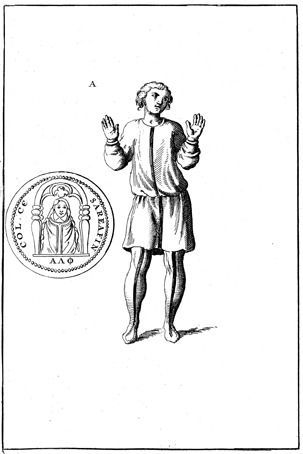
18th-century public-domain engraving illustrating the laticlave, Pitts Theology Library, Emory University. https://dia.pitts.emory.edu/image_details.cfm?ID=134645
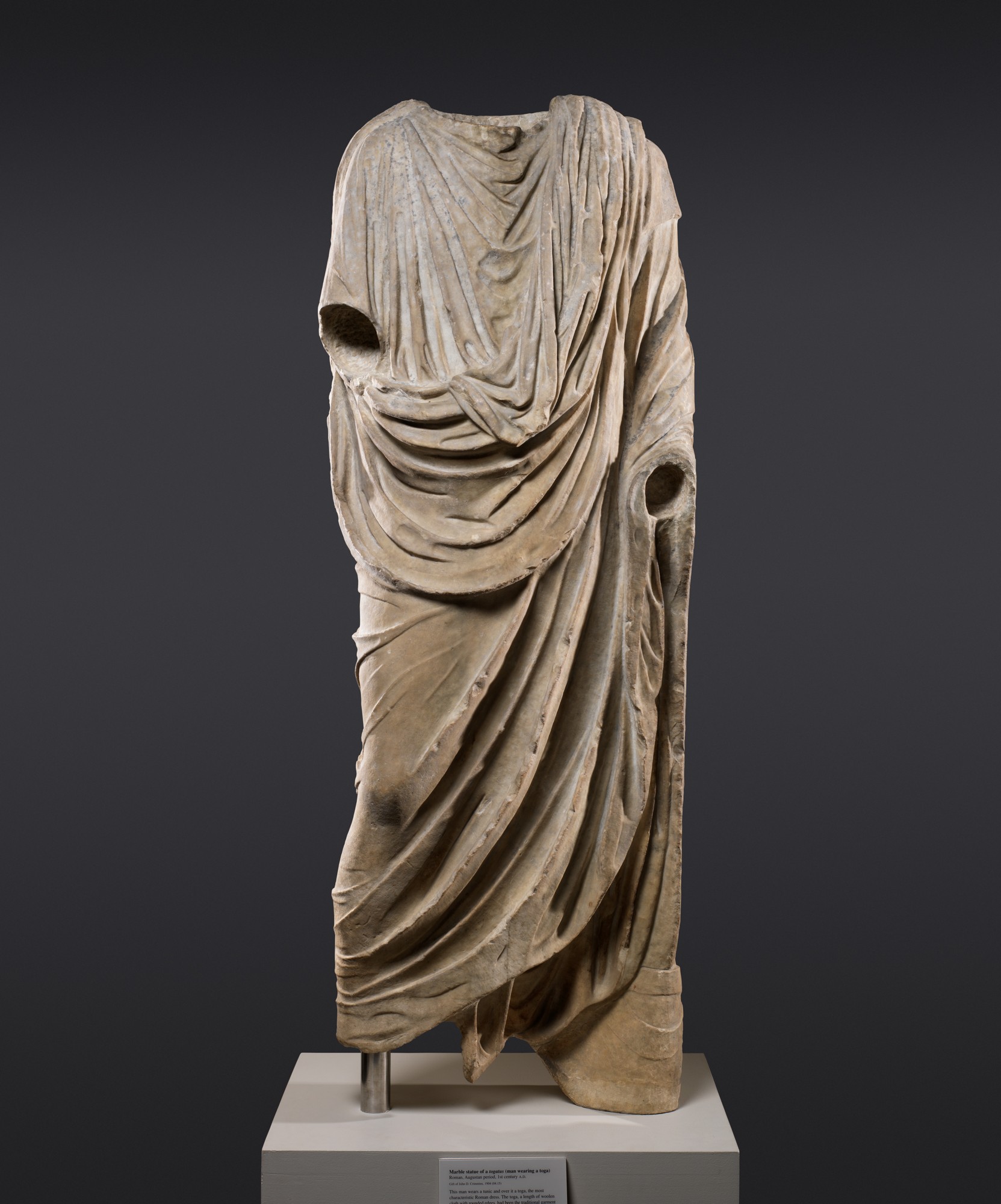
Marble statue of a Roman togatus, 1st century CE, The Metropolitan Museum of Art, public domain. https://www.metmuseum.org/art/collection/search/247105

18th-century public-domain engraving illustrating the laticlave, Pitts Theology Library, Emory University. https://dia.pitts.emory.edu/image_details.cfm?ID=134645

Listen to fact0:00 / —

In ancient Rome, tunic stripes could signal status: a broad purple stripe was traditionally associated with senators, and a narrow one with equites, or knights. But not every stripe marked rank, and the historical evidence is not always clear.