WattSearch
Your WattLeaderboard
Language
Appearance

Feedback

Have a question or an idea? Something not working? Send us a message.

What would you like to share?
Up to 3 files, 5 MB each, 12 MB total.
Or contact us directly

Direct contacts open a separate chat or email. Files attached here are not included.

arohalya@gmail.com
A little wonder, every day

Cowrie shells in ancient China
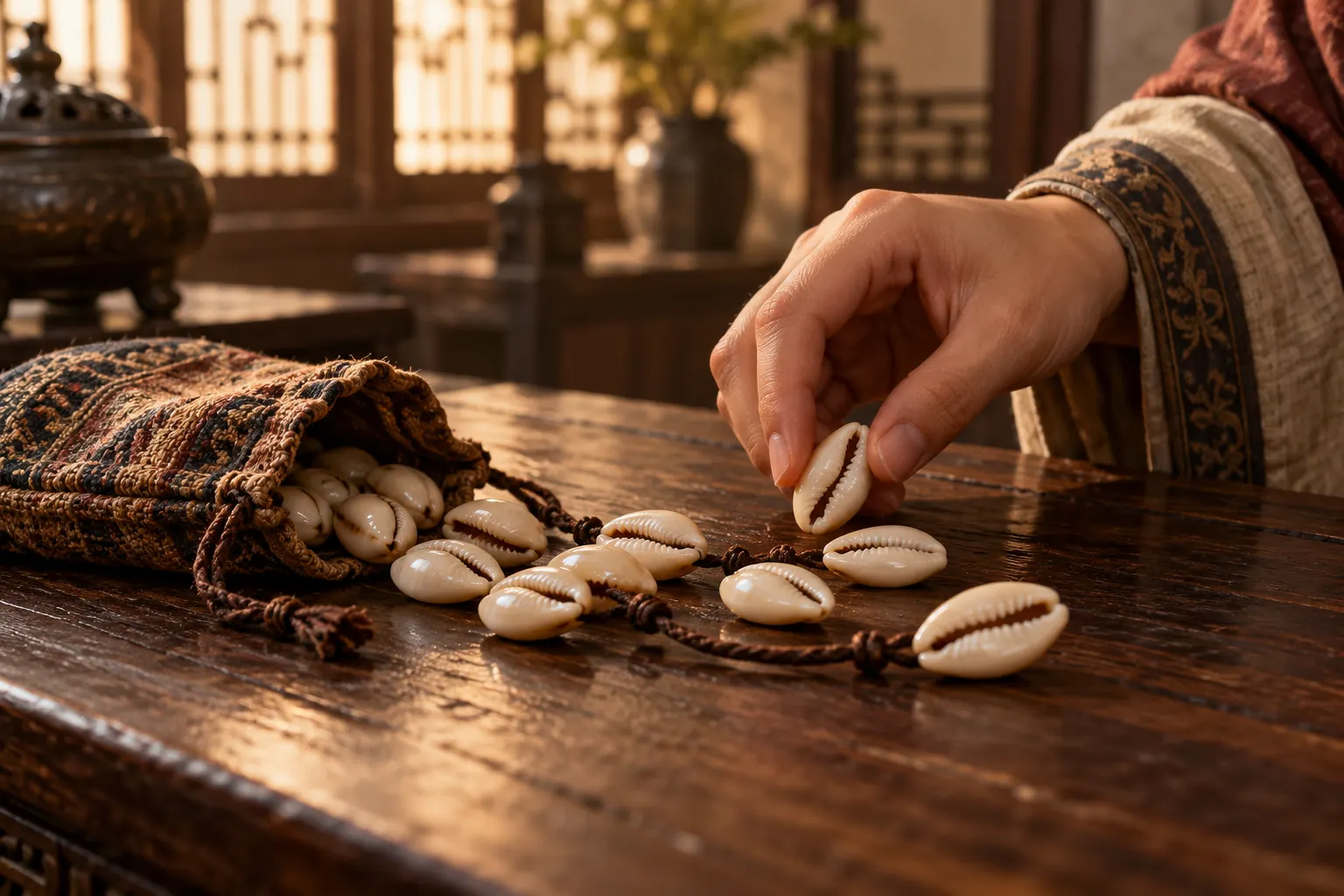
Титульна AI-згенерована ілюстрація / AI-generated cover illustration. Symbolic counting of cowrie shells in an ancient Chinese setting, not a specific documented exchange.
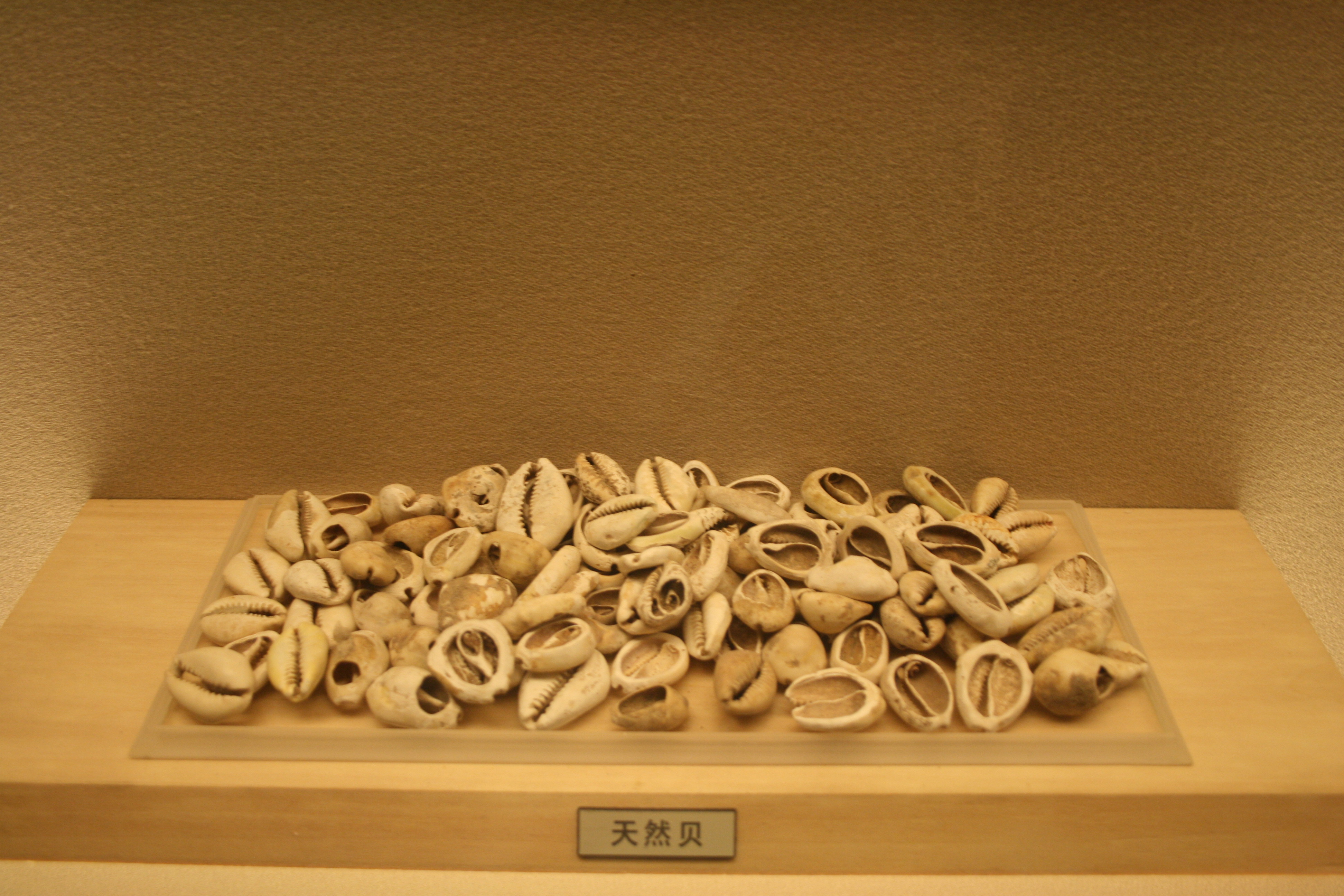
Черепашки в монетній галереї Шанхайського музею / Shells displayed in the Shanghai Museum Coin Gallery; a documentary exhibit photograph, not proof that each specimen was used in payment.
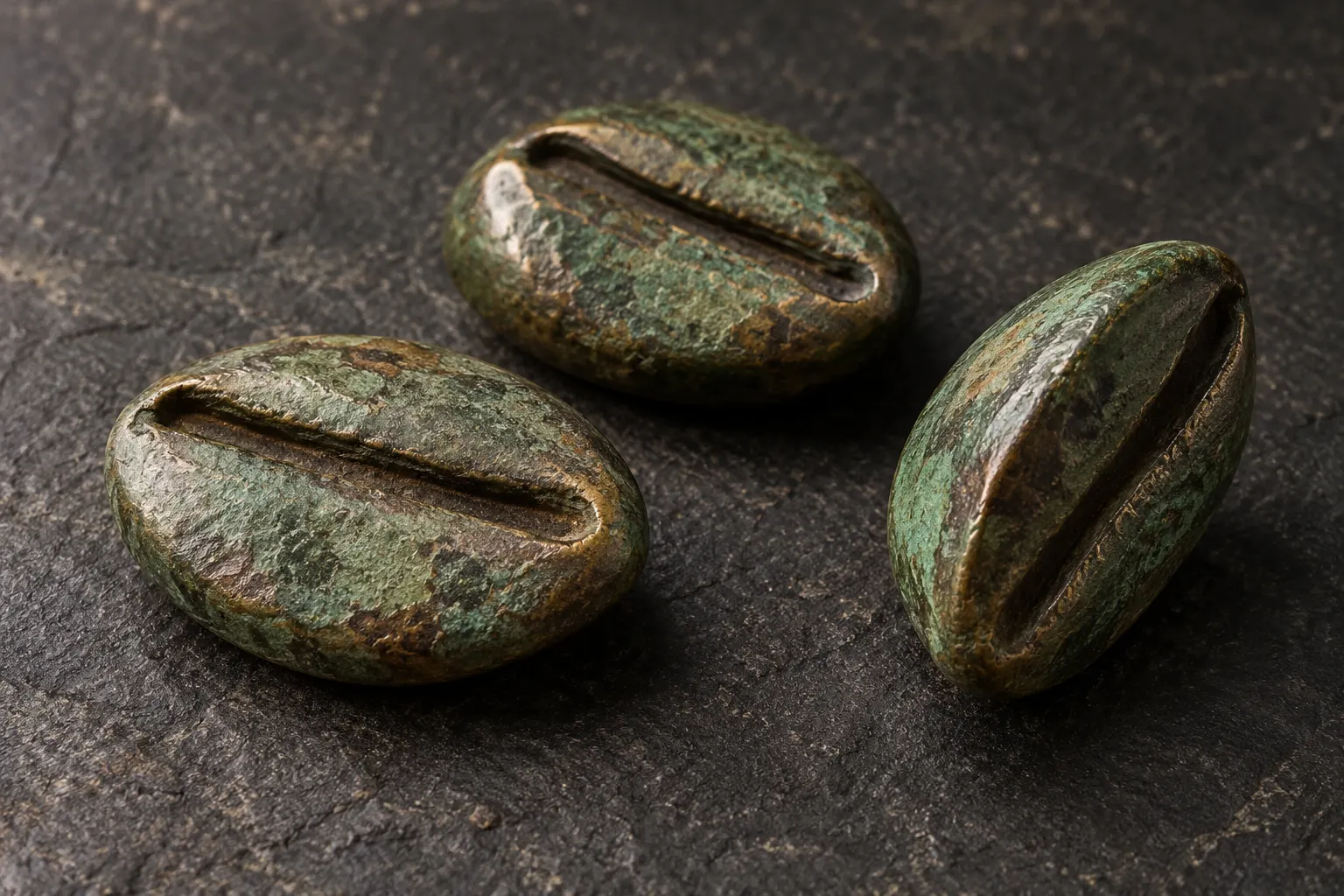
Додаткова AI-згенерована ілюстрація / Supplementary AI-generated illustration. Generic bronze cowrie-shaped objects, a reconstruction of material imitation rather than an identified excavated specimen.

Титульна AI-згенерована ілюстрація / AI-generated cover illustration. Symbolic counting of cowrie shells in an ancient Chinese setting, not a specific documented exchange.

In ancient China, cowrie shells were valuables that people gave, accumulated and used in exchange. They appear in inscriptions on bones and bronze vessels from the Shang and Zhou periods. But not every excavated shell was money: cowries were also worn as ornaments and placed in burials.

Saying that shells were money therefore describes one role rather than every use. Zhou inscriptions provide evidence of transactions reckoned in cowries, a stronger basis for identifying a payment than simply finding a shell. The example shows how an object valued in its own right could also serve a monetary function. [1, 2]