WattSearch
Your WattLeaderboard
Language
Autoplay narration
Appearance

Feedback

Have a question or an idea? Something not working? Send us a message.

What would you like to share?
Up to 3 files, 5 MB each, 12 MB total.
Or contact us directly

Direct contacts open a separate chat or email. Files attached here are not included.

arohalya@gmail.com
A little wonder, every day

Most bacteria do not cause human disease
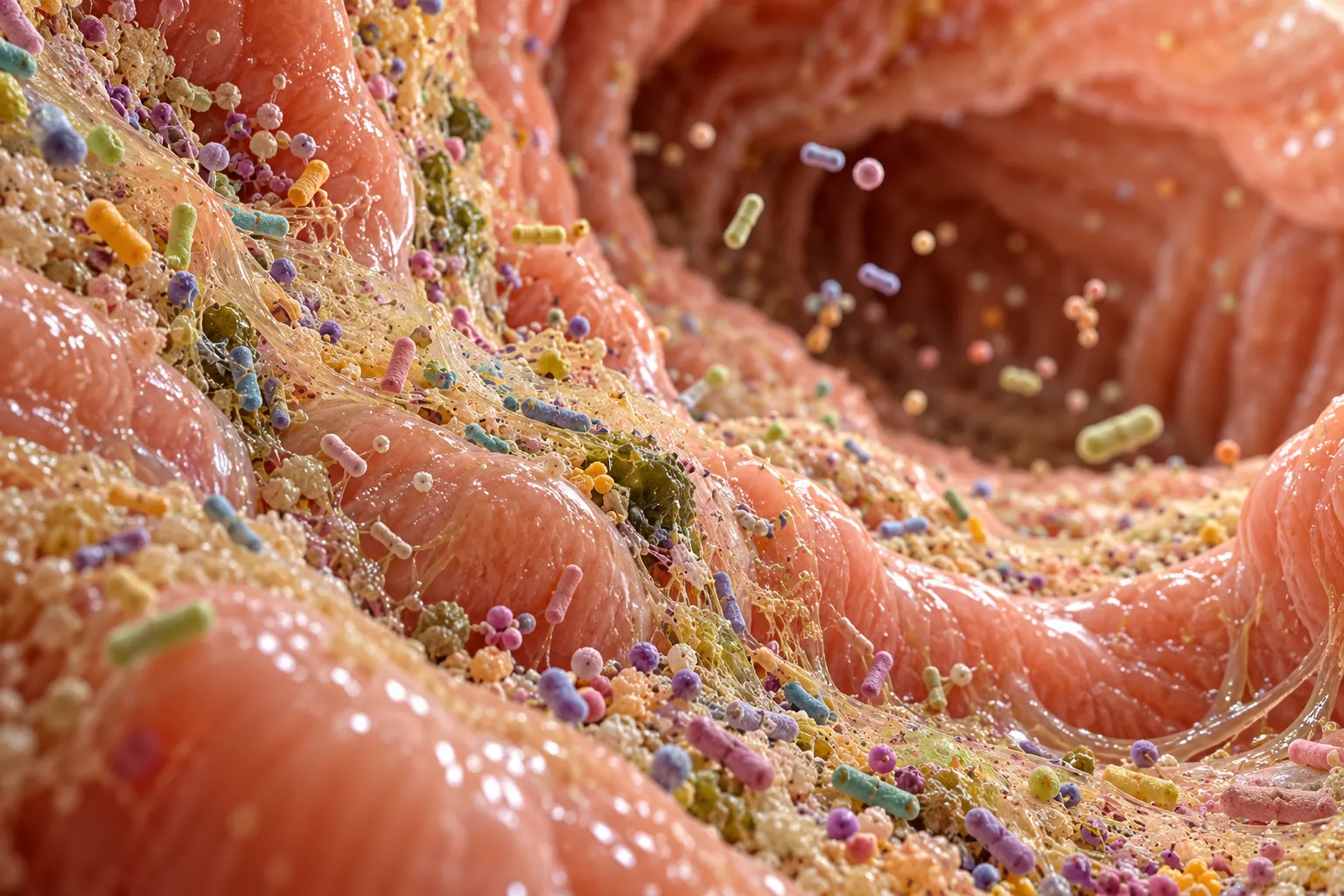
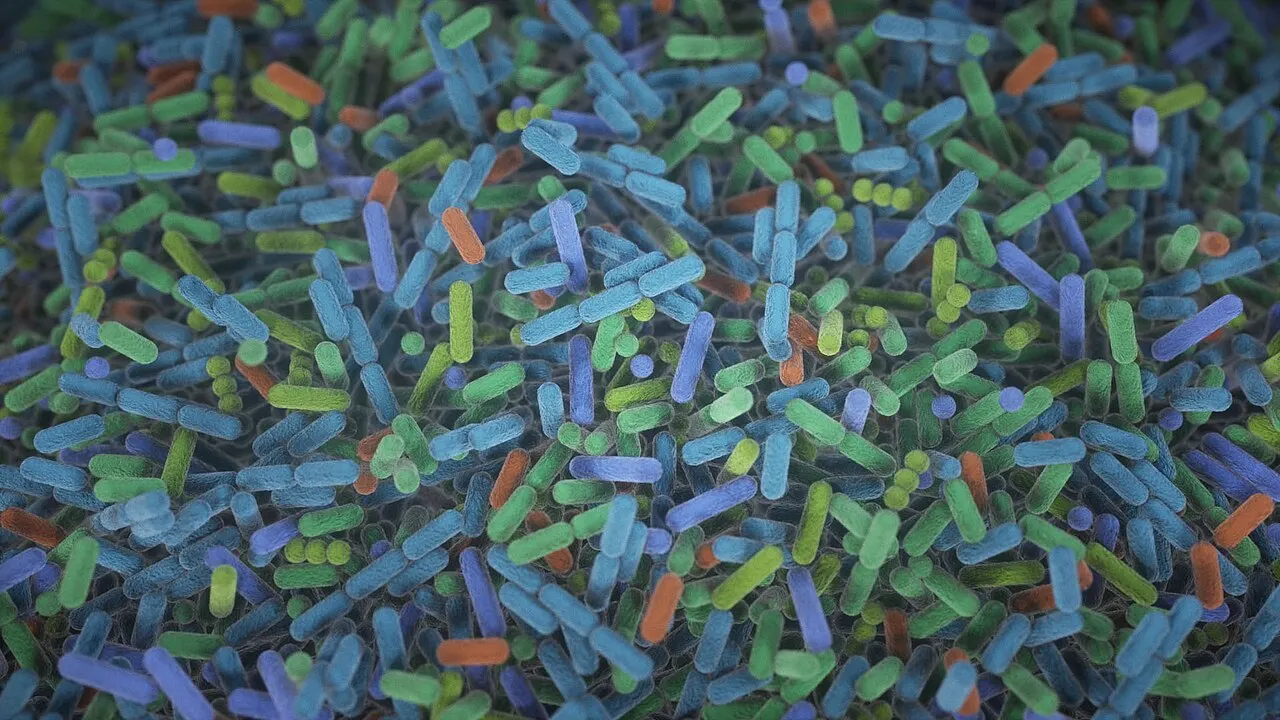
realistic AI-generated educational visualization of the inner surface of the large intestine with diverse bacteria; organisms illustrative and not to scale, not a microscopy photo. Created for fact 046 and reused here. Prompt: “Photorealistic educational cover image about the human gut microbiome. A medically plausible, respectful close-up visualization of the inner surface of the large intestine with a natural mucus layer and many tiny diverse bacteria attached and floating nearby, based on realistic scientific microscopy, warm soft tissue tones, bacteria shown as subtle small rods and spheres, no cartoon faces, no oversized organisms, no labels, no text, no gore, no diagrams, wide 3:2 landscape composition. Make it look like a high-quality scientific editorial photograph, with depth and clean lighting; organisms are illustrative and not to scale.” Visually checked 2026-10-21.
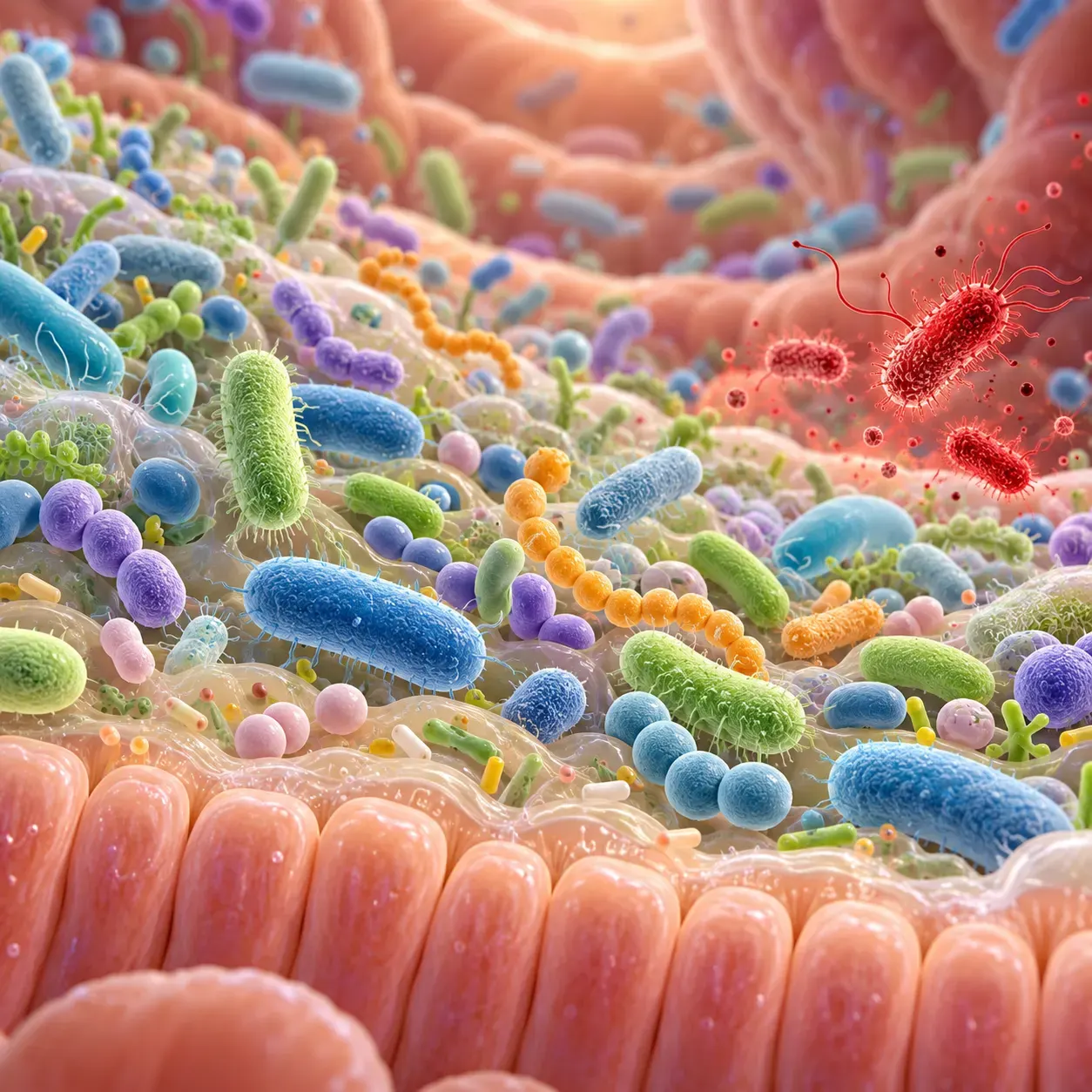
AI-generated microbiome concept image, not microscopy. Existing conceptual image; exact prompt not retained.
NIH illustration of bacteria and other microbes in the human gut; conceptual, not a literal sample or image of all disease-causing bacteria. Source: https://commons.wikimedia.org/wiki/File:Bacteria_in_the_gut.jpg . Original NIH Flickr source: https://www.flickr.com/photos/nihgov/53006111880/ . NIH Image Gallery credit Donny Bliss; CC BY 2.0. Downloaded 1280-pixel-wide derivative. Checked 2026-10-16.
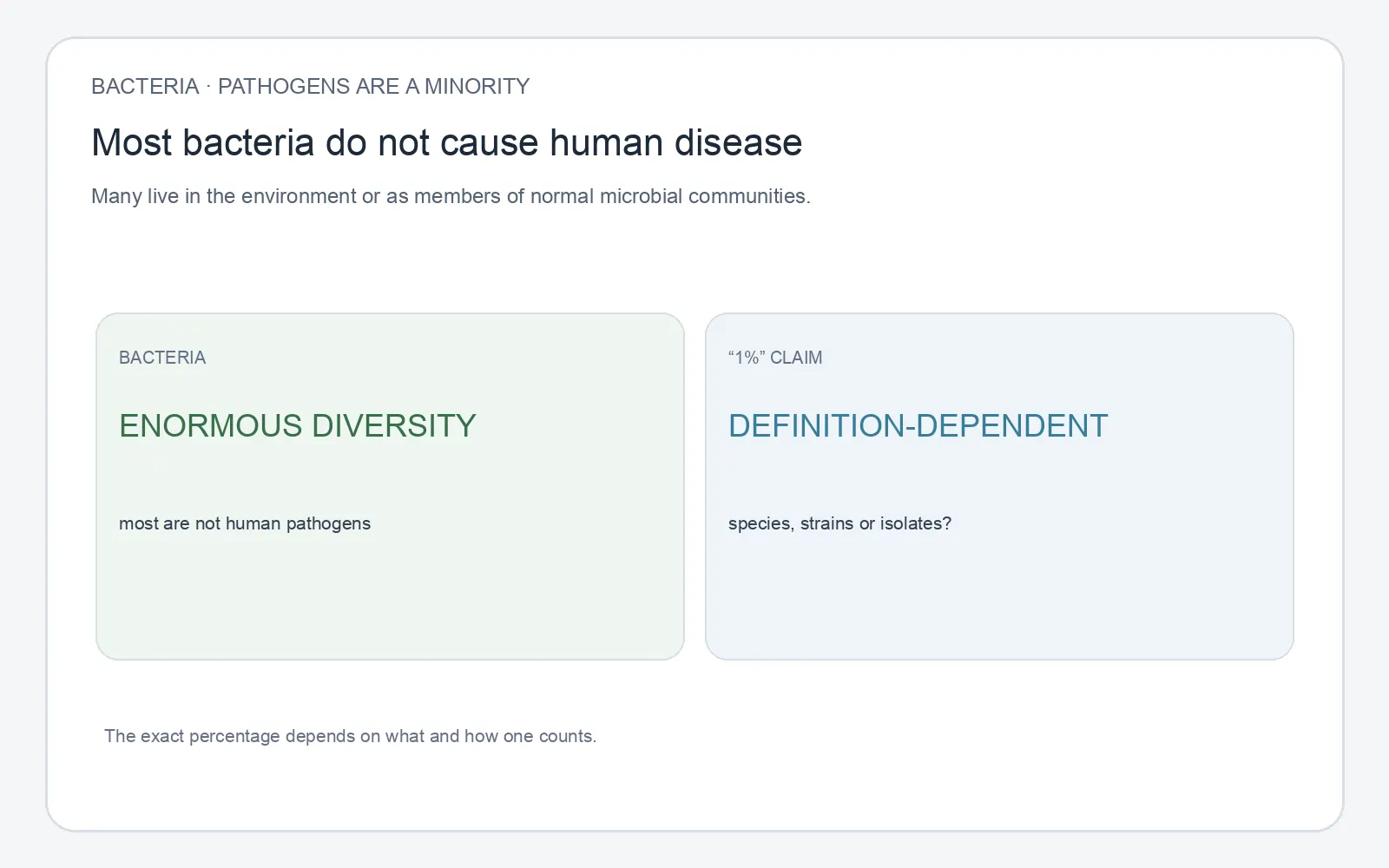
custom educational infographic created 2026-10-19 and visually checked; explains that minority pathogenicity is robust while exact one-percent estimates depend on definitions.
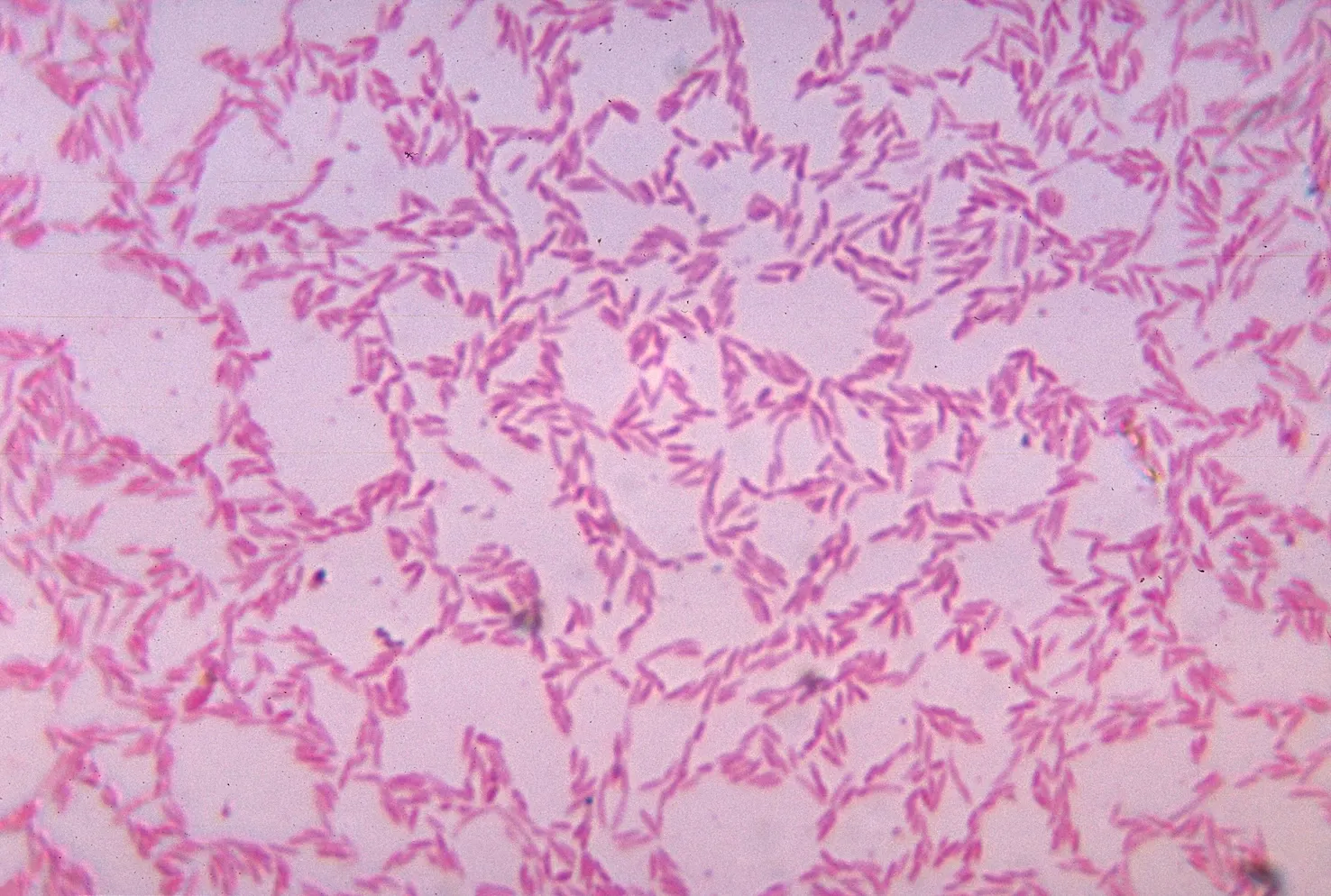
culture of *Bacteroides biacutis*, a representative gut anaerobe, grown on blood agar. Source: https://commons.wikimedia.org/wiki/File:Bacteroides_biacutis_01.jpg ; CDC Public Health Image Library #3087: https://phil.cdc.gov/Details.aspx?pid=3087 . Credit CDC / Dr. V. R. Dowell, Jr.; U.S. federal work, public domain in the United States. No edits. Copied from fact 046; checked 2026-10-21.
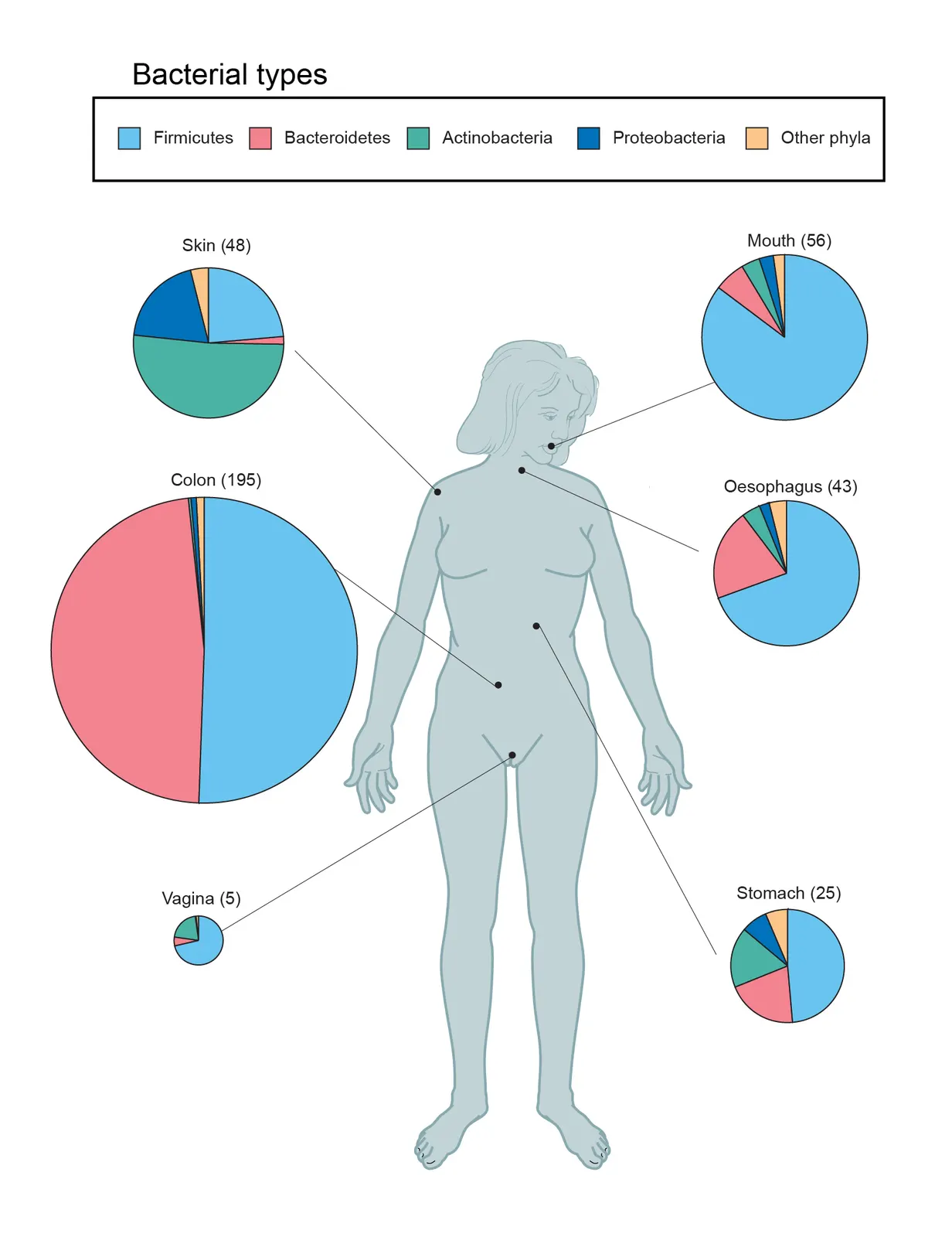
NHGRI illustration of the human body and predominant bacteria by body site. Source: https://commons.wikimedia.org/wiki/File:Human_microbiome_NHGRI.jpg ; original source https://www.genome.gov/sites/default/files/tg/en/illustration/microbiome.jpg . Creator/rights holder NHGRI, NIH; U.S. federal work, public domain. No edits. Copied from fact 046; checked 2026-10-21. It is not a global census of bacteria or a count of pathogens.

realistic AI-generated educational visualization of the inner surface of the large intestine with diverse bacteria; organisms illustrative and not to scale, not a microscopy photo. Created for fact 046 and reused here. Prompt: “Photorealistic educational cover image about the human gut microbiome. A medically plausible, respectful close-up visualization of the inner surface of the large intestine with a natural mucus layer and many tiny diverse bacteria attached and floating nearby, based on realistic scientific microscopy, warm soft tissue tones, bacteria shown as subtle small rods and spheres, no cartoon faces, no oversized organisms, no labels, no text, no gore, no diagrams, wide 3:2 landscape composition. Make it look like a high-quality scientific editorial photograph, with depth and clean lighting; organisms are illustrative and not to scale.” Visually checked 2026-10-21.

Listen to fact0:00 / —

A healthy person can carry bacteria known as potential pathogens without being ill from them. In the NIH Human Microbiome Project, researchers sampled 242 healthy U.S. volunteers and collected more than 5,000 samples from 15 body sites in men and 18 in women. They analyzed DNA directly from the samples rather than studying only bacteria that could be grown in a lab. This shows that detecting a potential pathogen does not mean an active infection is present. The project mapped microbes in the human body; it did not measure the share of all bacteria on Earth, so it cannot confirm an exact “1%” figure.