WattSearch
Your WattLeaderboard
Language
Autoplay narration
Appearance

Feedback

Have a question or an idea? Something not working? Send us a message.

What would you like to share?
Up to 3 files, 5 MB each, 12 MB total.
Or contact us directly

Direct contacts open a separate chat or email. Files attached here are not included.

arohalya@gmail.com
A little wonder, every day

Why the chapel is called Sistine
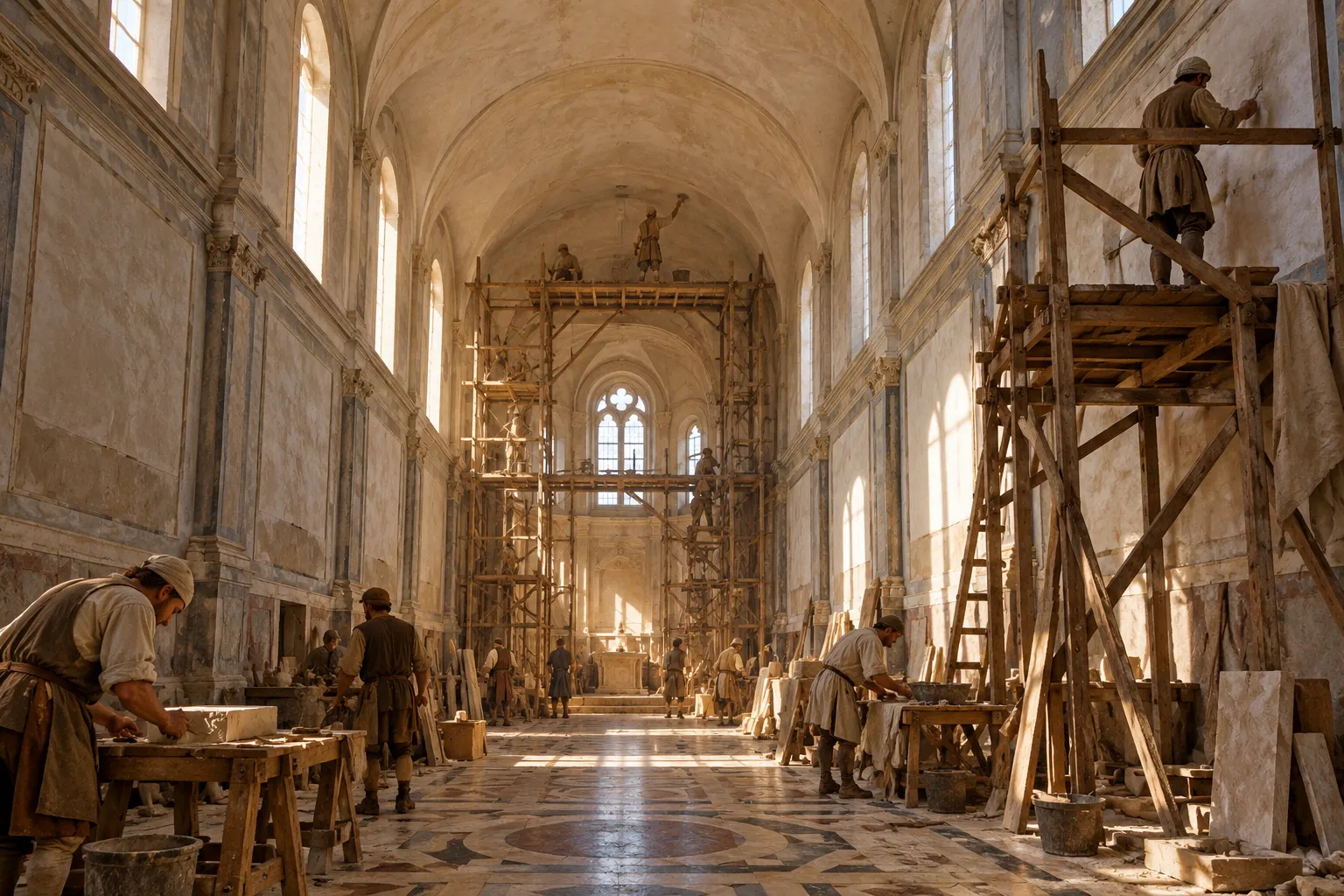
Титульна AI-згенерована ілюстрація / AI-generated cover illustration. Imagined late-fifteenth-century chapel construction, unpainted plaster, scaffolding and period craftsmen; not an exact reconstruction of the Sistine Chapel.
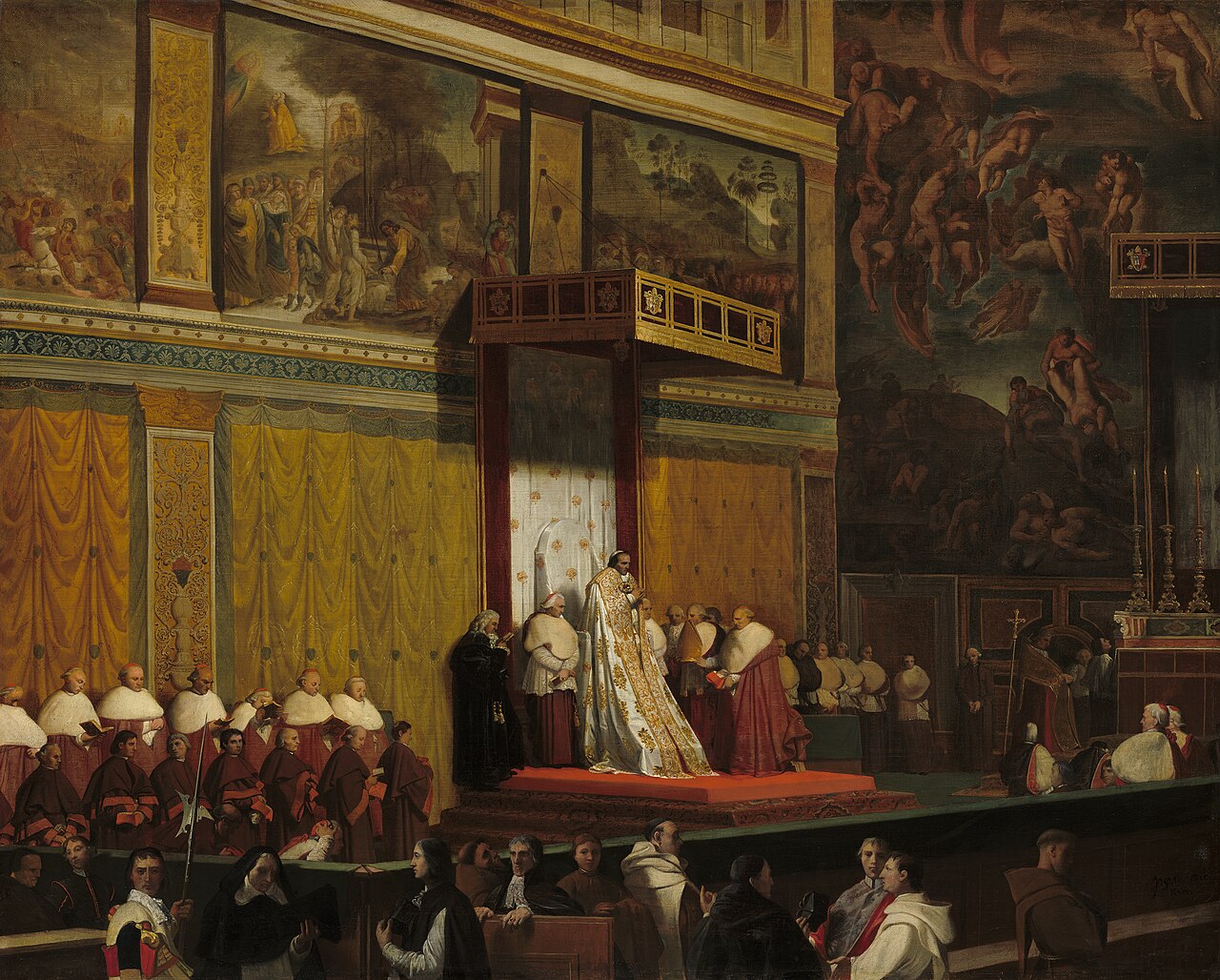
Історична картина із зображенням папи Пія VII в Сикстинській капелі / Historical painting of Pope Pius VII in the Sistine Chapel, a later representation, not its fifteenth-century appearance.
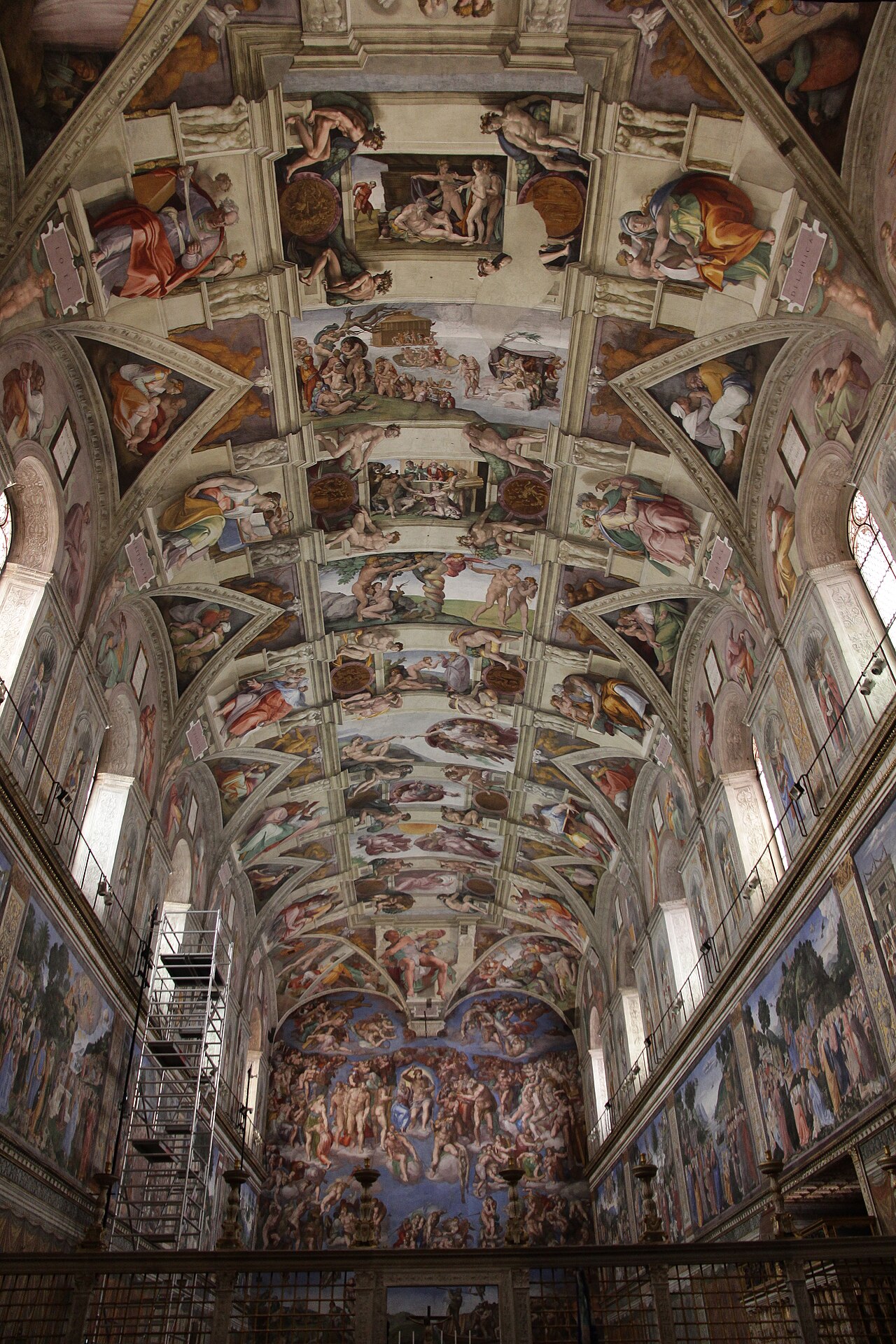
Загальний вид стелі й вівтарної стіни капели / Overall view of the ceiling and altar wall; distinguishes two painting campaigns.

Титульна AI-згенерована ілюстрація / AI-generated cover illustration. Imagined late-fifteenth-century chapel construction, unpainted plaster, scaffolding and period craftsmen; not an exact reconstruction of the Sistine Chapel.

Listen to fact0:00 / —

The Sistine Chapel takes its name from Pope Sixtus IV, who ordered the rebuilding of the earlier Great Chapel in the Vatican. The Vatican Museums date this work to 1477–1480. The name honours the patron of the rebuilding, rather than the artist who later painted its ceiling.

Michelangelo worked there under a different pope, Julius II, in the early sixteenth century. The chapel’s history therefore extends beyond its most famous ceiling paintings: its architecture, wall frescoes and later works belong to different stages.