WattSearch
Your WattLeaderboard
Language
Autoplay narration
Appearance

Feedback

Have a question or an idea? Something not working? Send us a message.

What would you like to share?
Up to 3 files, 5 MB each, 12 MB total.
Or contact us directly

Direct contacts open a separate chat or email. Files attached here are not included.

arohalya@gmail.com
A little wonder, every day

Fact 2252 — what a sword fuller is for
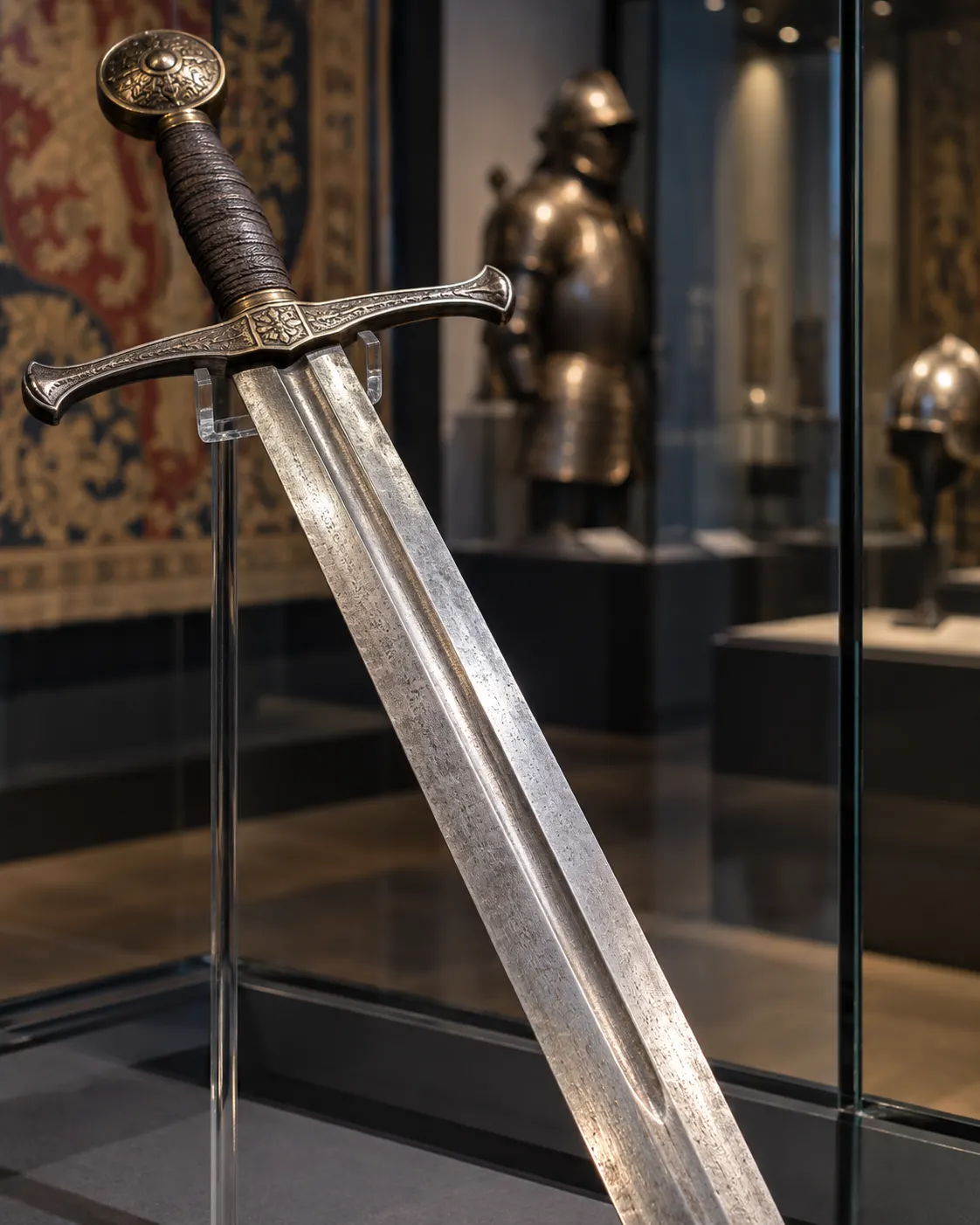
AI-generated with OpenAI image generation. Prompt: “Photorealistic editorial cover for a museum article correcting the sword ‘blood groove’ myth. A historical European sword displayed in a museum case with its central blade groove visible under soft side lighting, no blood, no combat, no people, no readable text or logos. Educational artifact photography, portrait 4:5.”
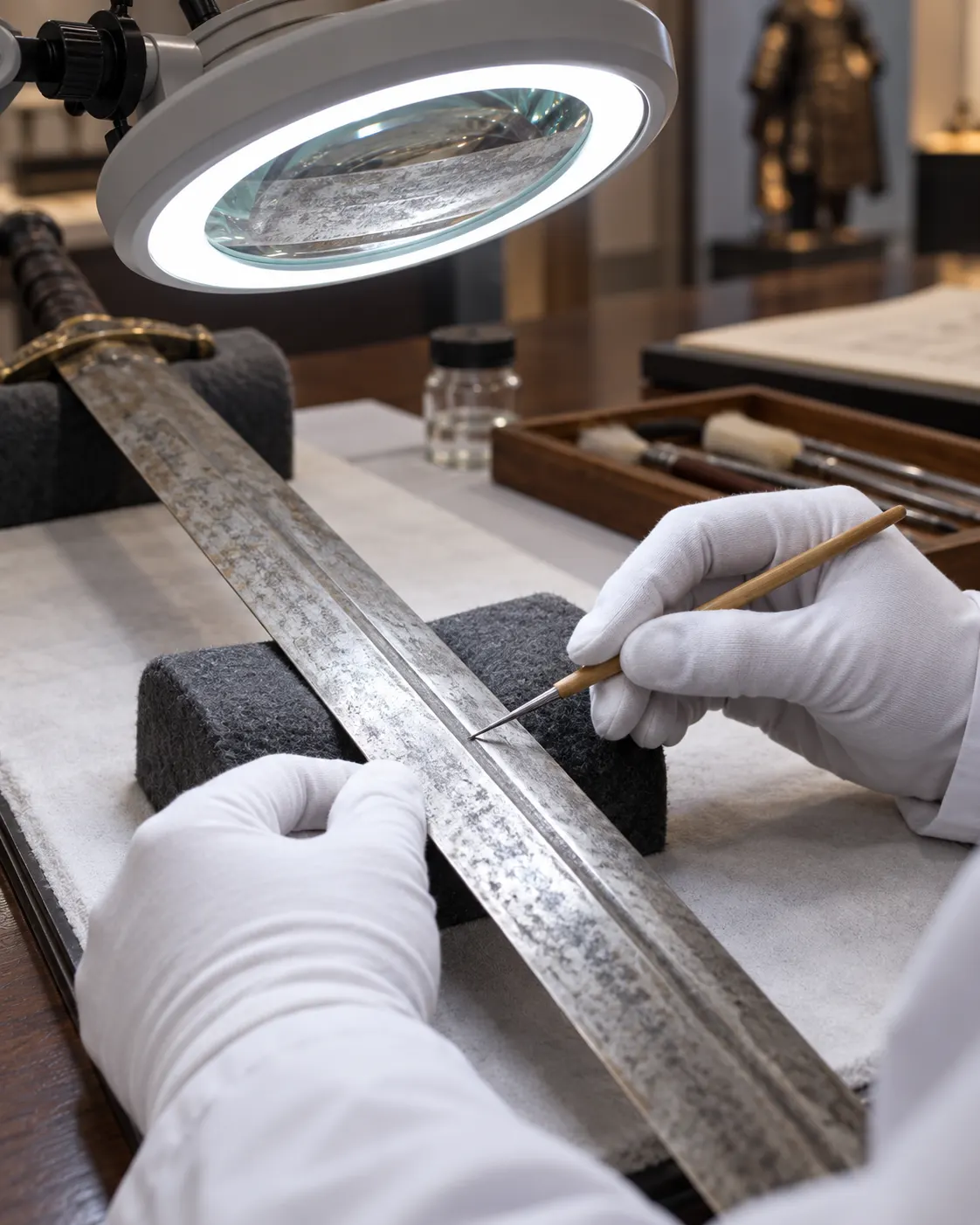
AI-generated with OpenAI image generation. Prompt: “Distinct photorealistic editorial conservation scene: a museum conservator studies the shallow lengthwise groove of a historical steel blade under a magnifying lamp, only gloved hands visible, no blood, no weapons in use, no readable text, no logos. Calm technical documentation, portrait 4:5.”

AI-generated with OpenAI image generation. Prompt: “Photorealistic editorial cover for a museum article correcting the sword ‘blood groove’ myth. A historical European sword displayed in a museum case with its central blade groove visible under soft side lighting, no blood, no combat, no people, no readable text or logos. Educational artifact photography, portrait 4:5.”

Listen to fact0:00 / —

The lengthwise groove in a blade is often called a “blood groove,” but that is not its purpose. The Metropolitan Museum explains that a fuller reduces the blade’s mass without weakening it or diminishing its flexibility. The museum identifies stories about draining blood or breaking suction as misconceptions.