WattSearch
Your WattLeaderboard
Language
Autoplay narration
Appearance

Feedback

Have a question or an idea? Something not working? Send us a message.

What would you like to share?
Up to 3 files, 5 MB each, 12 MB total.
Or contact us directly

Direct contacts open a separate chat or email. Files attached here are not included.

arohalya@gmail.com
A little wonder, every day

Fact 2248 — how one-handed and two-handed swords differed
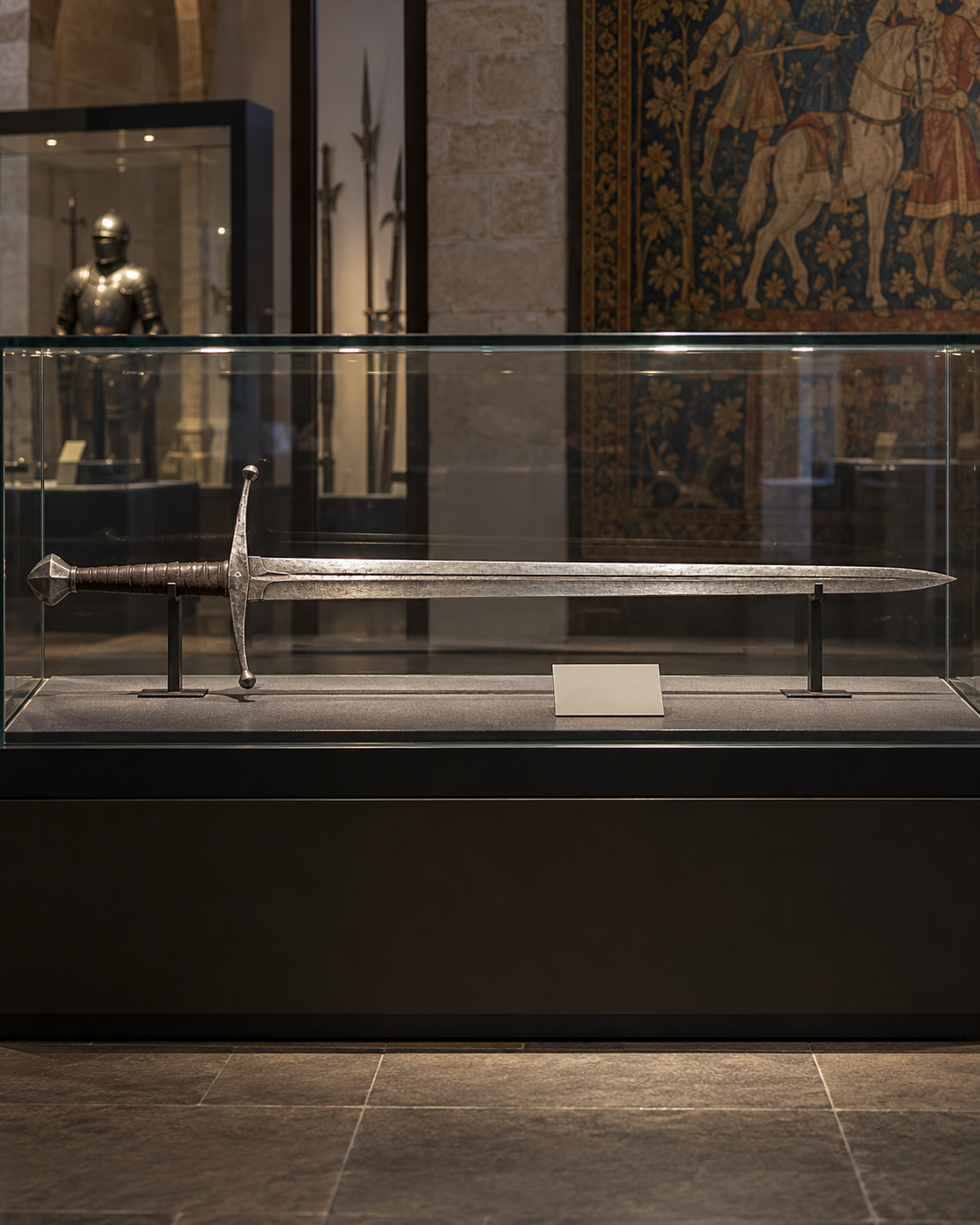
AI-generated with OpenAI image generation. Prompt: “Photorealistic editorial cover for a museum history article about the weight of two-handed swords. A long late-medieval European sword displayed horizontally in a glass museum case beside a simple blank measurement card, no readable text, no people, no combat, no logos. Accurate museum lighting, clean documentary style, portrait 4:5 framing.”
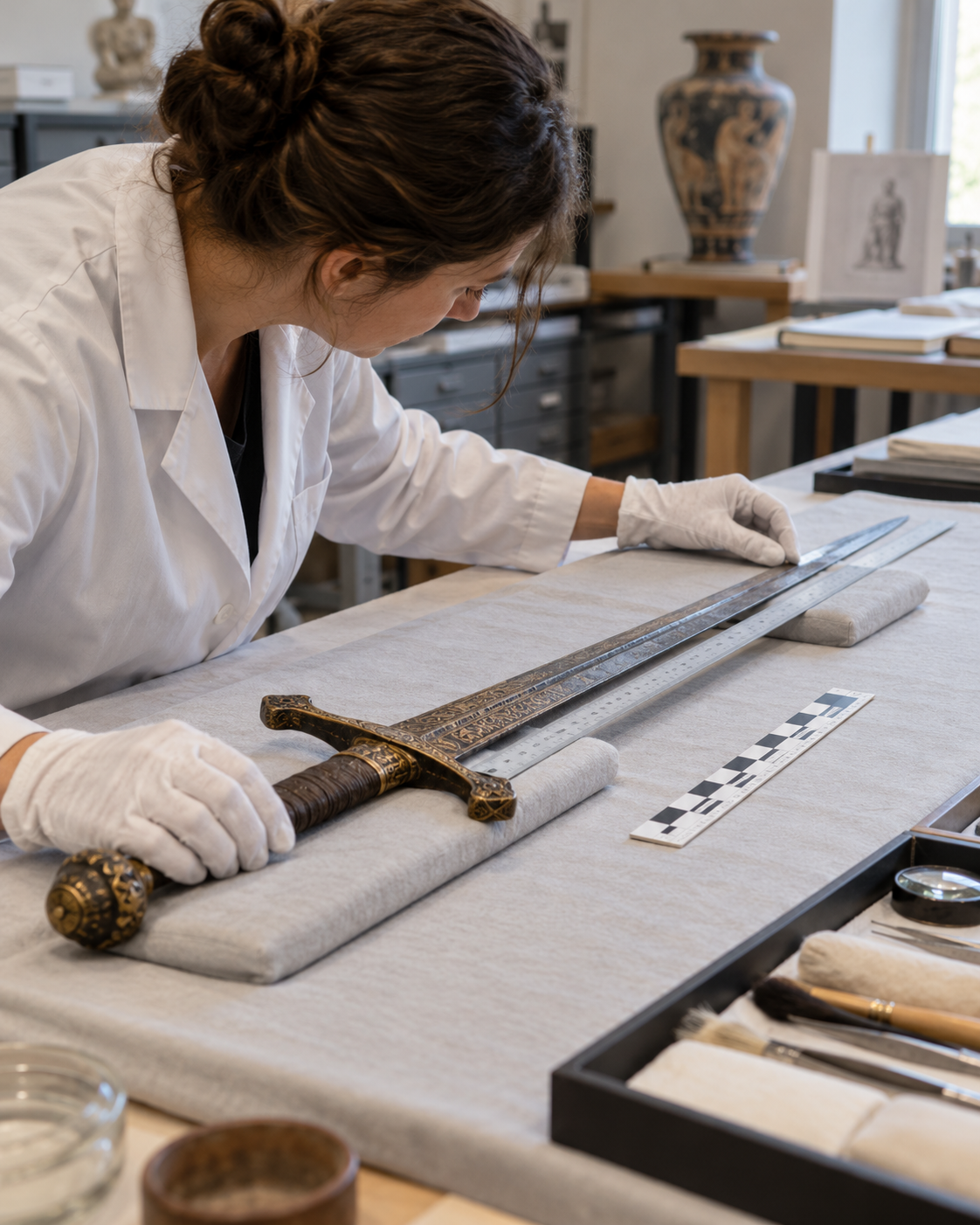
AI-generated with OpenAI image generation. Prompt: “Distinct photorealistic editorial scene in a conservation lab: a museum curator carefully measures a long historical sword on a padded table using a ruler and archival scale, hands gloved, no readable text, no logos, no people’s faces, no violence. Educational heritage documentation, soft natural light, portrait 4:5.”

AI-generated with OpenAI image generation. Prompt: “Photorealistic editorial cover for a museum history article about the weight of two-handed swords. A long late-medieval European sword displayed horizontally in a glass museum case beside a simple blank measurement card, no readable text, no people, no combat, no logos. Accurate museum lighting, clean documentary style, portrait 4:5 framing.”

Listen to fact0:00 / —

Historical swords are often described by how they were used: with one hand, with two, or with a grip between those categories. Length ranges are only rough guides, not a universal standard across regions and centuries. For example, a two-handed sword at the Cleveland Museum of Art is 167.3 centimeters long and weighs 2.24 kilograms. Its classification reflects its intended two-handed use, not length or mass alone.