WattSearch
Your WattLeaderboard
Language
Autoplay narration
Appearance

Feedback

Have a question or an idea? Something not working? Send us a message.

What would you like to share?
Up to 3 files, 5 MB each, 12 MB total.
Or contact us directly

Direct contacts open a separate chat or email. Files attached here are not included.

arohalya@gmail.com
A little wonder, every day

María was the first to see Altamira’s paintings
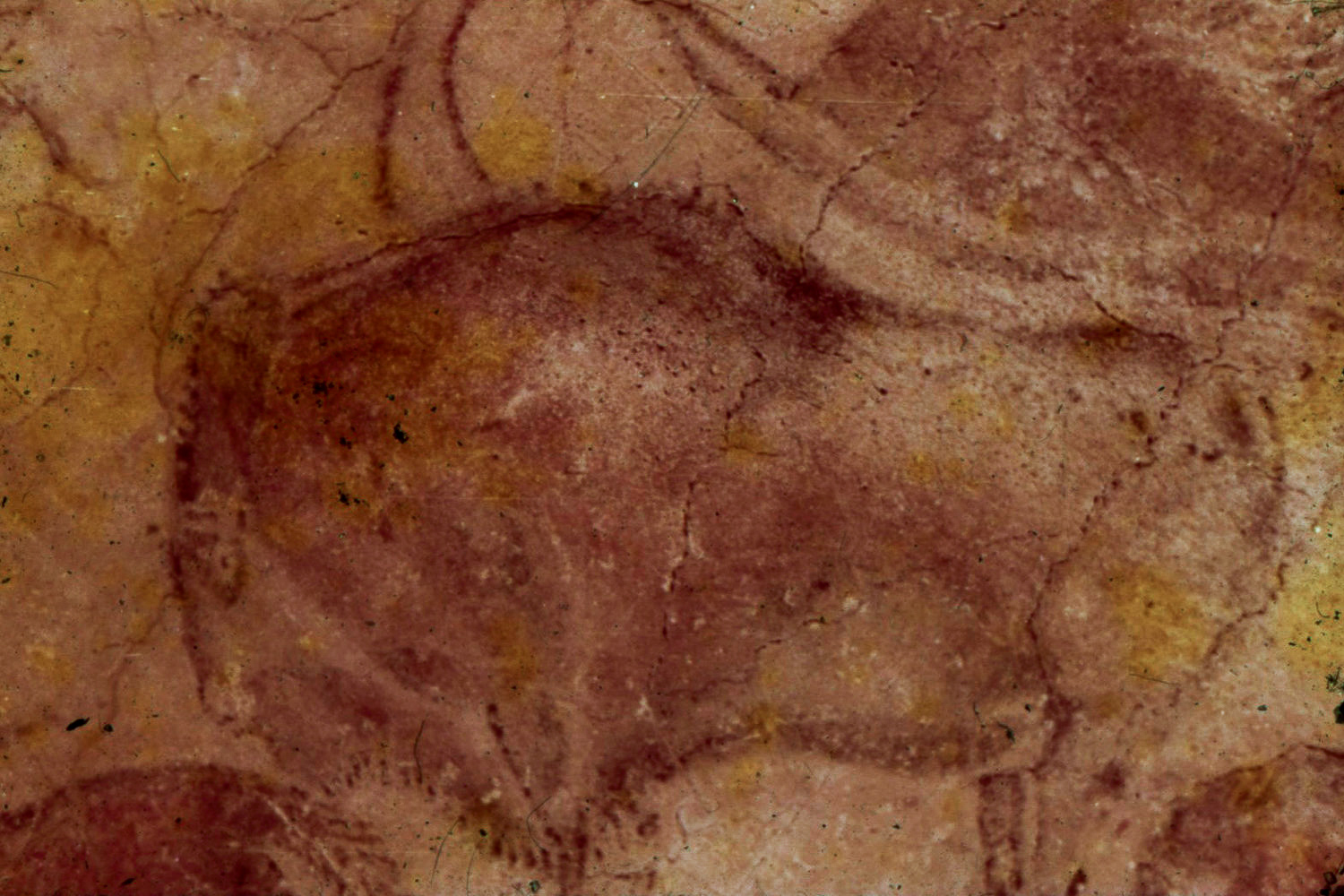
Photograph of a bison painting in Altamira Cave, taken by Daniel VILLAFRUELA on 7 Oct 1962; image is retouched; CC BY-SA 3.0. https://commons.wikimedia.org/wiki/File:Cueva_de_Altamira-19621007-003.jpg
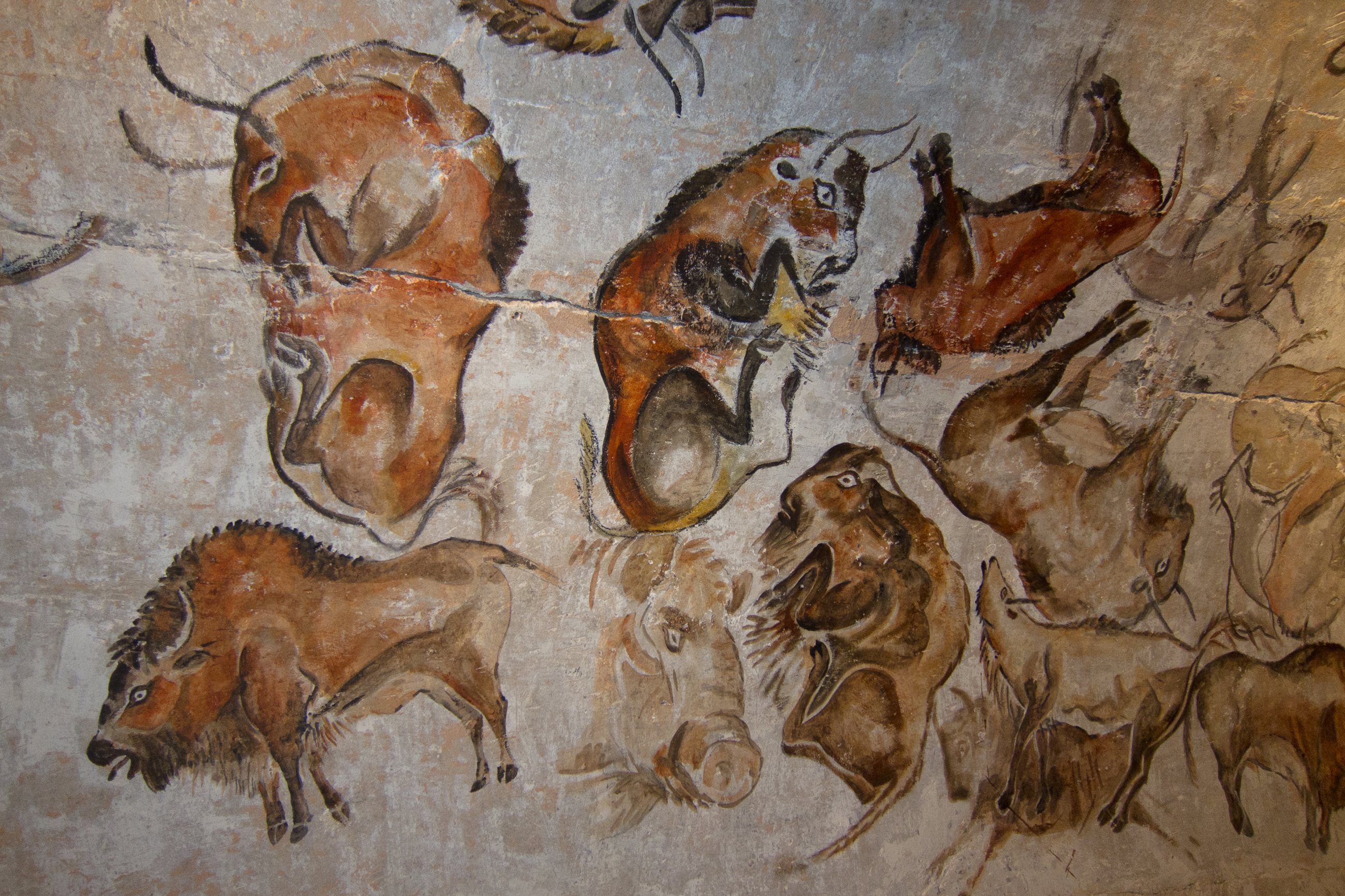
Photograph of reproductions at Museo del Mamut, Barcelona (2011), by Thomas Quine; resized/recompressed for web; CC BY-SA 2.0. This shows reproductions, not the original cave ceiling. https://commons.wikimedia.org/wiki/File:Altamira_bisons.jpg
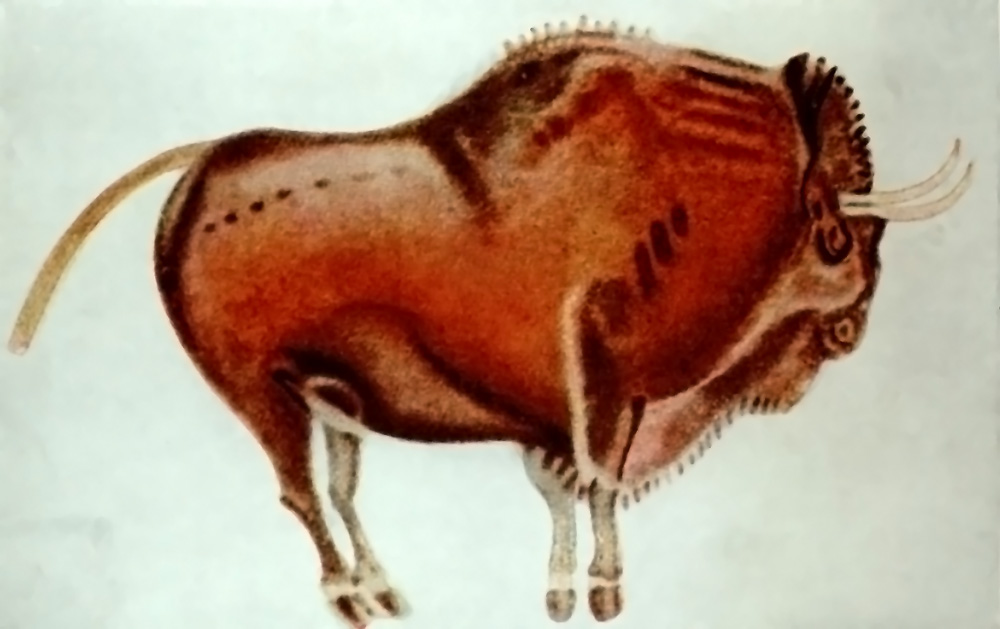
1906 tracing of an Altamira bison, published by Émile Cartailhac and Henri Breuil; public-domain reproduction. https://commons.wikimedia.org/wiki/File:Bisonte_de_Altamira.jpg

Photograph of a bison painting in Altamira Cave, taken by Daniel VILLAFRUELA on 7 Oct 1962; image is retouched; CC BY-SA 3.0. https://commons.wikimedia.org/wiki/File:Cueva_de_Altamira-19621007-003.jpg

Listen to fact0:00 / —

Altamira Cave was found around 1868, but its famous ceiling images were noticed later. In 1879, nine-year-old María Sanz de Sautuola was the first to see the painted animals and called her father, researcher Marcelino Sanz de Sautuola. He identified the images as Paleolithic and described them in an 1880 publication. Scholars of the time reacted skeptically; Sautuola was even accused of having forged the paintings. Recognition came only in 1902, after Paleolithic paintings were found in other European caves and French archaeologist Émile Cartailhac publicly admitted his mistake. Sautuola had died in 1888, before this recognition.