A cuckoo lays an egg rather than moving a chick
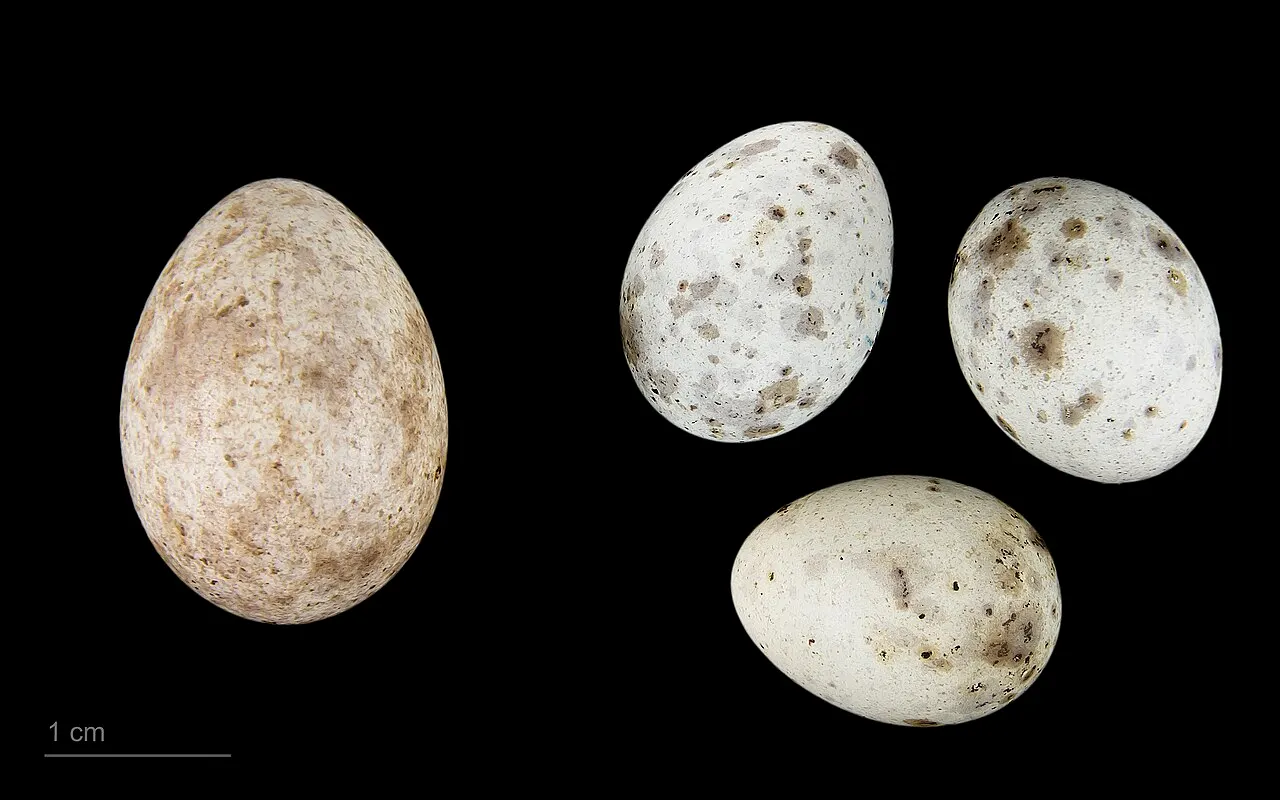
Музейна кладка болотяної очеретянки з яйцем звичайної зозулі, Muséum de Toulouse; збережений зразок, не реконструкція акту відкладання / Museum marsh-warbler clutch with a common-cuckoo egg, Muséum de Toulouse; a preserved specimen, not a reconstruction of laying. Credit: Roger Culos; CC BY-SA 4.0. https://creativecommons.org/licenses/by-sa/4.0 Source: https://commons.wikimedia.org/?curid=104401924
The common cuckoo lays eggs in host birds’ nests, where hosts incubate them and feed the chick. This is brood parasitism, rather than placing an already hatched youngster in another nest. Researchers study it as an evolutionary interaction involving parasite adaptations and host defenses. Differences between adult and chick diets do not by themselves establish the cause of the strategy, and human moral judgments are not a biological explanation.