WattSearch
Your WattLeaderboard
Language
Autoplay narration
Appearance

Feedback

Have a question or an idea? Something not working? Send us a message.

What would you like to share?
Up to 3 files, 5 MB each, 12 MB total.
Or contact us directly

Direct contacts open a separate chat or email. Files attached here are not included.

arohalya@gmail.com
A little wonder, every day

where the name pianoforte comes from
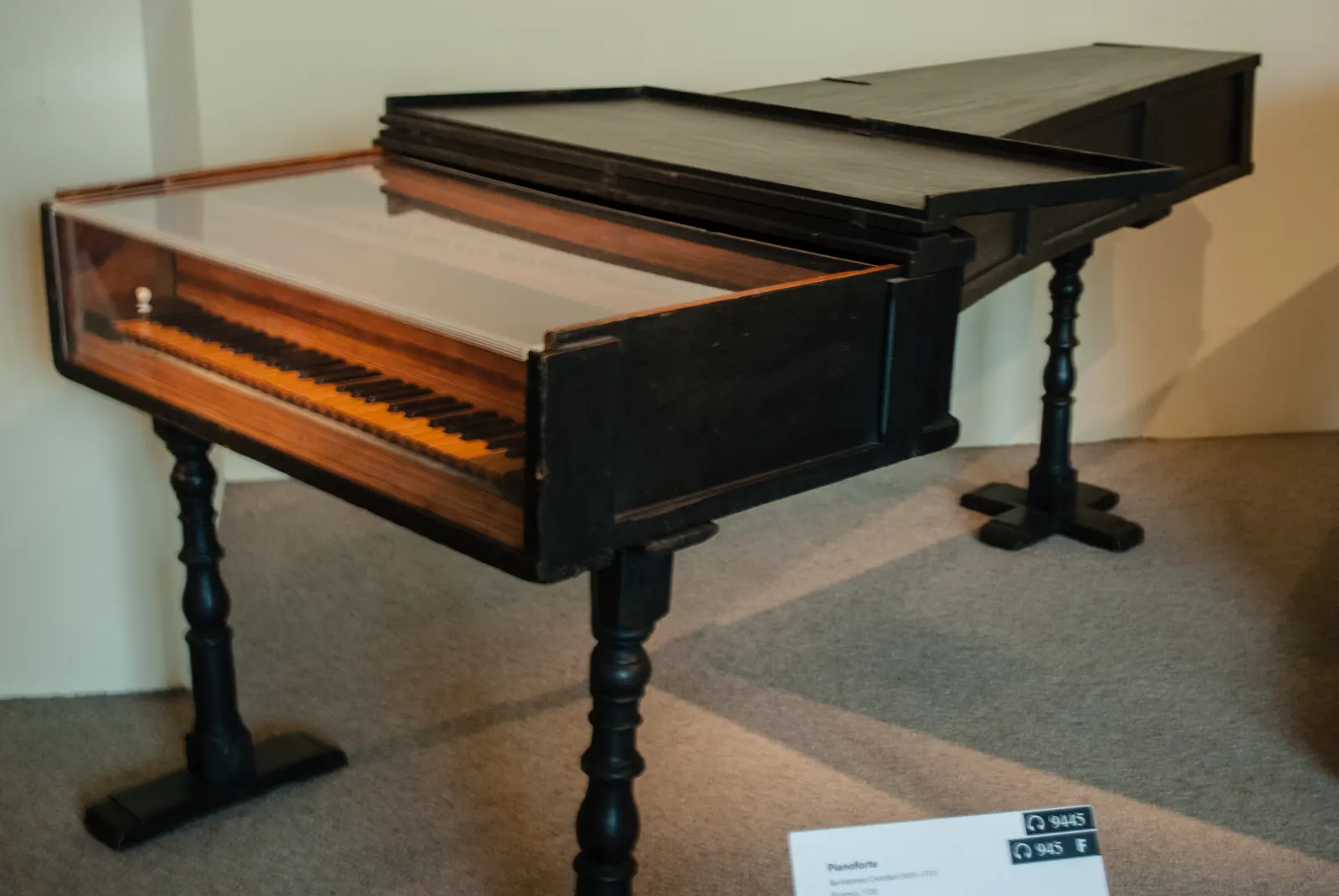
Cristofori grand piano (1720), the oldest surviving piano, in the Metropolitan Museum of Art. Photograph by Shriram Rajagopalan; Wikimedia Commons file page https://commons.wikimedia.org/wiki/File:Pianoforte_Cristofori_1720.jpg; CC BY 2.0. Attribution: “Pianoforte Cristofori 1720” by Shriram Rajagopalan, CC BY 2.0, via Wikimedia Commons. No edits.
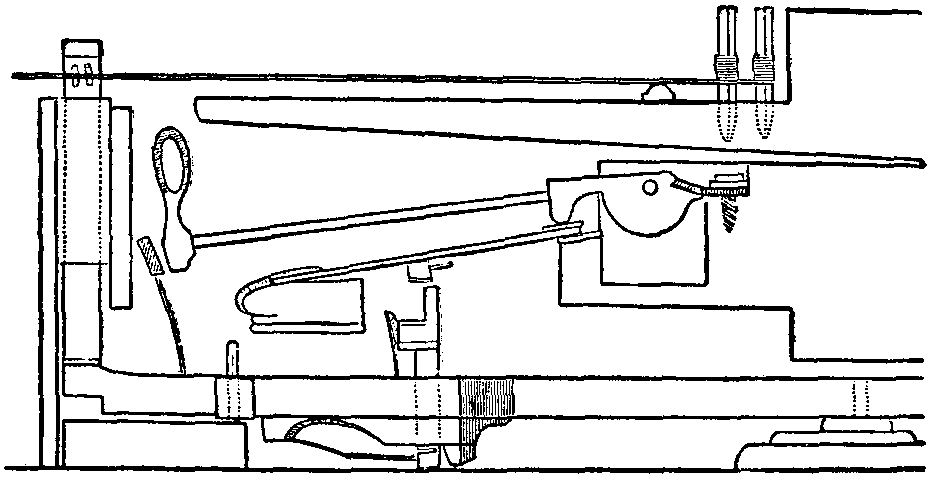
diagram of Cristofori’s escapement/hammer action, 1720. Wikimedia Commons file page https://commons.wikimedia.org/wiki/File:Britannica_Pianoforte_Cristofori_Escapement_Action.png; public domain in the United States as it comes from the 1911 Encyclopaedia Britannica. No attribution required; source listed for context. No edits.

Cristofori grand piano (1720), the oldest surviving piano, in the Metropolitan Museum of Art. Photograph by Shriram Rajagopalan; Wikimedia Commons file page https://commons.wikimedia.org/wiki/File:Pianoforte_Cristofori_1720.jpg; CC BY 2.0. Attribution: “Pianoforte Cristofori 1720” by Shriram Rajagopalan, CC BY 2.0, via Wikimedia Commons. No edits.

Listen to fact0:00 / —

The name pianoforte reflects the instrument’s ability to play softly and loudly depending on how a key is struck. In 1700, an inventory of the Florentine court described Bartolomeo Cristofori’s instrument as a new invention; in 1711, Scipione Maffei called it a “gravicembalo col piano, e forte”—a harpsichord that plays softly and loudly. The name pianoforte was later shortened to piano.