WattSearch
Your WattLeaderboard
Language
Autoplay narration
Appearance

Feedback

Have a question or an idea? Something not working? Send us a message.

What would you like to share?
Up to 3 files, 5 MB each, 12 MB total.
Or contact us directly

Direct contacts open a separate chat or email. Files attached here are not included.

arohalya@gmail.com
A little wonder, every day

Fact 1620 — repeat Nobel Prizes are rare
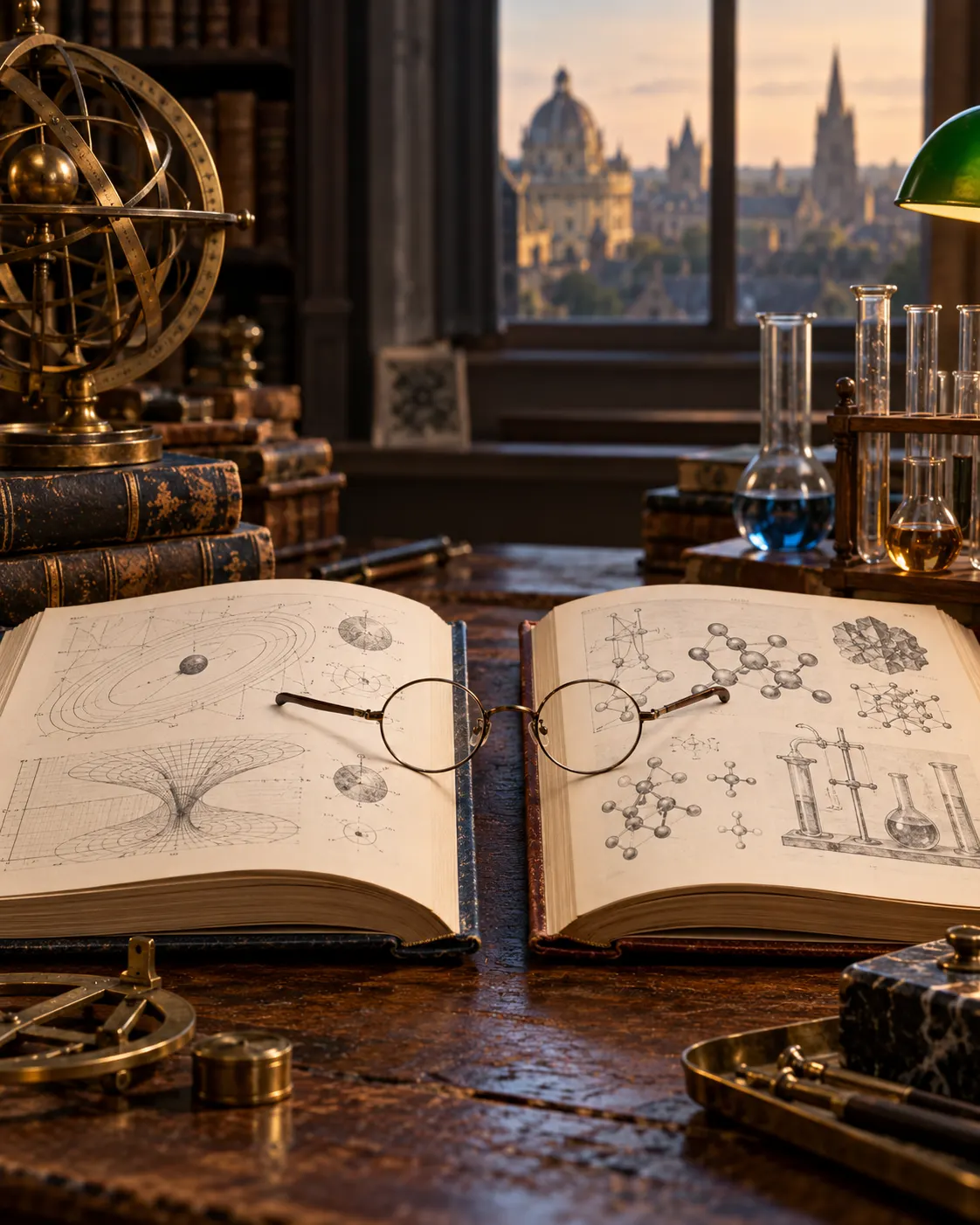
AI-generated cover: a symbolic research desk with physics and chemistry notebooks, illustrating repeat awards in distinct fields; no real person or prize artifact is depicted. Prompt: “Photorealistic vertical 4:5 editorial cover about rare repeat Nobel Prizes, with a symbolic research desk showing two distinct open scholarly books side by side, one on physics and one on chemistry, connected by the same pair of simple reading glasses. Evoke one person's achievements across separate fields without showing a real person, Nobel medal, prize emblem or actual award. Elegant historical archive atmosphere, no readable text, no logos.” Generated 19 October 2026.
documentary portrait of Marie Curie, photographed in 1911 and published in Sweden in 1912. Photographer: Fotograv. – Generalstabens Litografiska Anstalt Stockholm. Source: [Wikimedia Commons file page](https://commons.wikimedia.org/wiki/File:Marie_Curie_(Nobel-Chem).jpg), image derived from the Nobel Prize archives and a 1912 publication. Public domain in Sweden under the stated photographic/publication rules; Public Domain Mark shown; note the stated jurisdiction caveats. No edits; checked 18 October 2026.
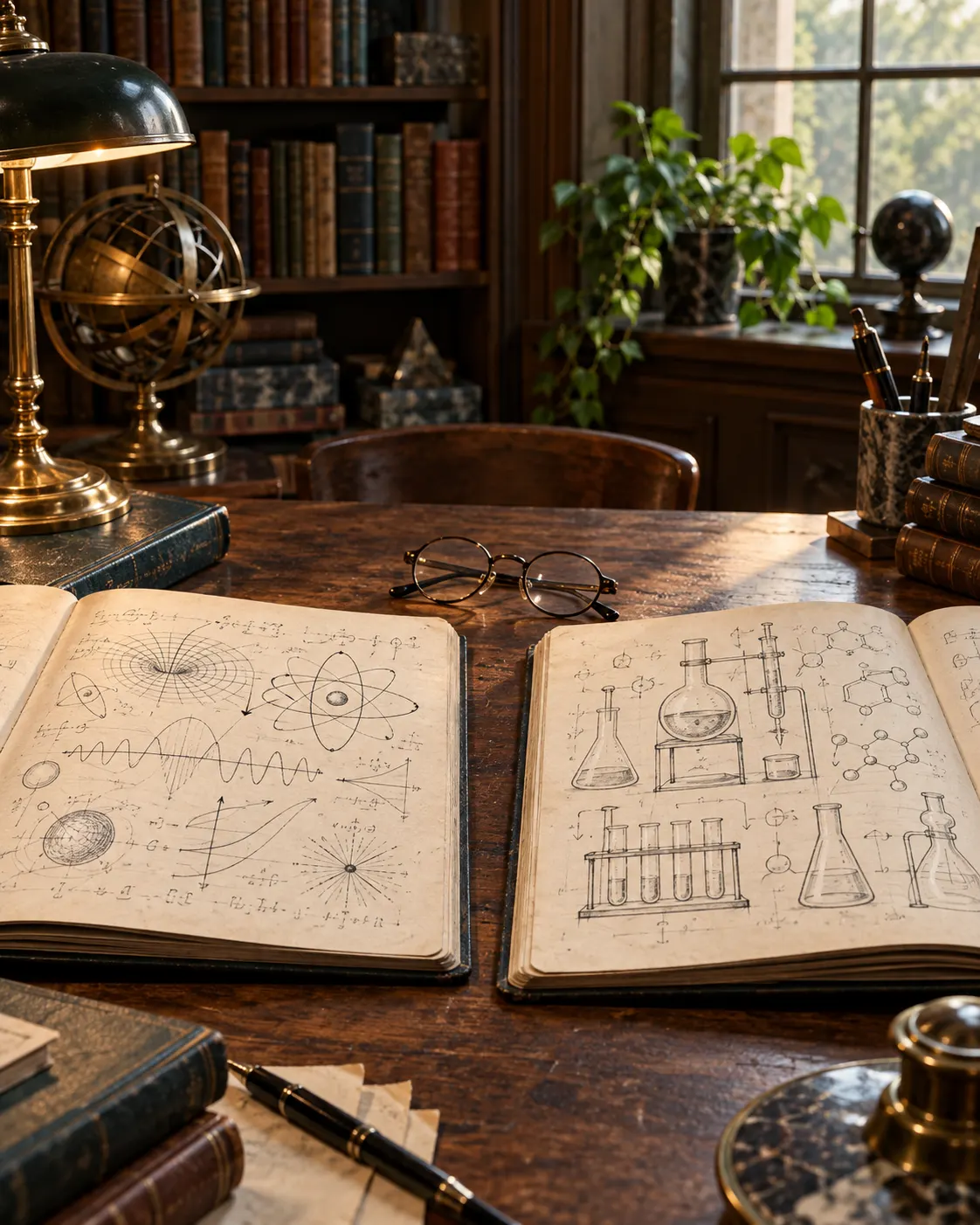
AI-generated still life with fictional physics and chemistry notebooks, symbolizing recognition in two different disciplines; it does not depict an authentic archive or specific scholar. Prompt: “Photorealistic vertical 4:5 editorial illustration about one researcher being honored in two different years and fields. Show a quiet library desk with two separate open archival notebooks, one with abstract physics diagrams and one with abstract chemistry glassware sketches, with a small pair of spectacles between them. No readable dates, names, prize emblems, medals, or real people. Generic symbolic image.” Generated 19 October 2026.
documentary photograph of John Bardeen with I. I. Rabi and Werner Heisenberg in New York on 2 July 1962. Photographer unknown / Anefo; Nationaal Archief. Source: [Wikimedia Commons file page](https://commons.wikimedia.org/wiki/File:Nobelprijswinnaar_(prof_dr_John_Bardeen_(VS)_prof_dr_IJ_Rabi_(New_york)_e,_Bestanddeelnr_914-0886.jpg). CC0 1.0 public-domain dedication. No edits; checked 18 October 2026.
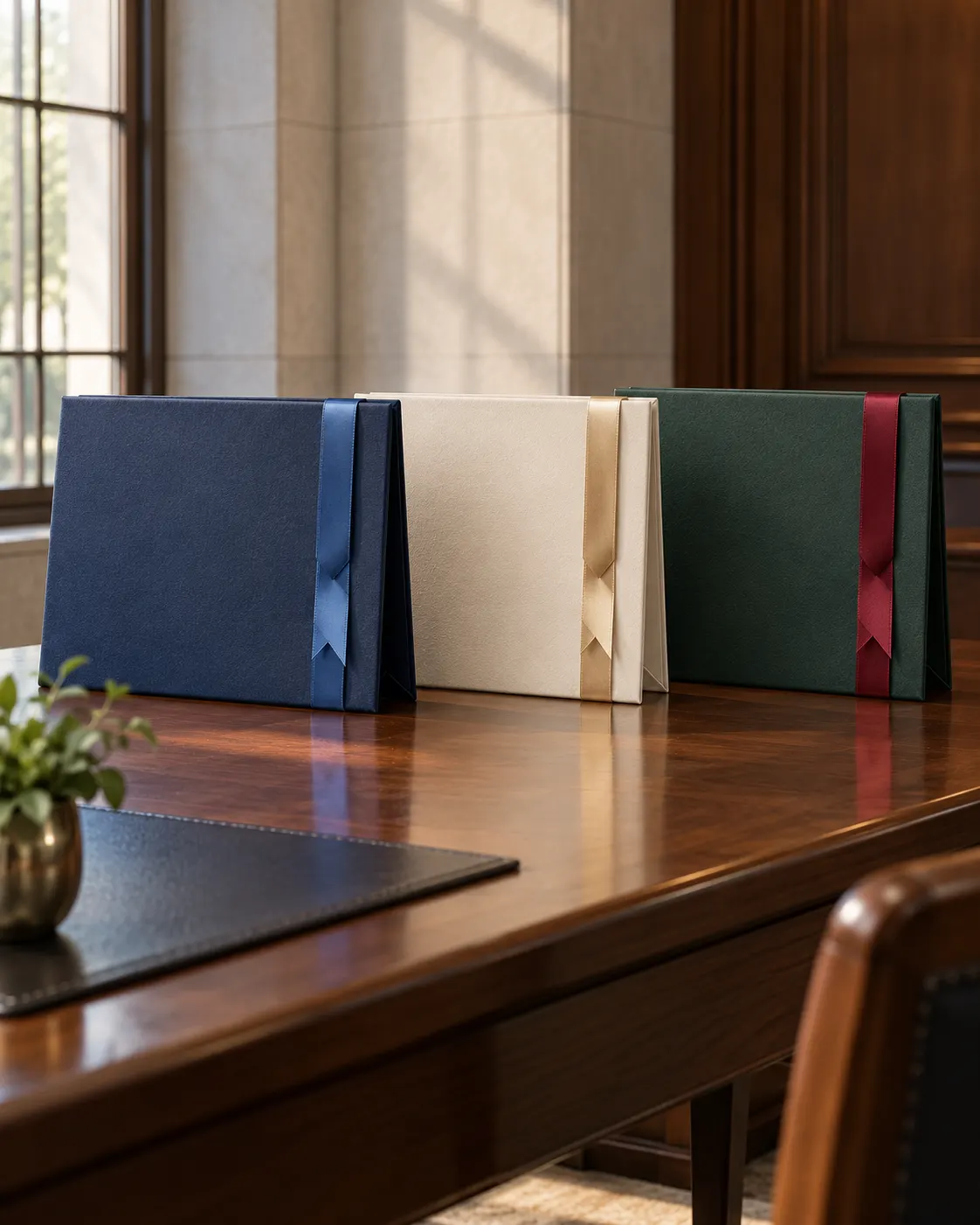
AI-generated symbolic still life of three blank presentation folders, illustrating repeated recognition of an organization; no real organization or award is represented. Prompt: “Photorealistic vertical 4:5 editorial still life illustrating an organization receiving recognition multiple times: three plain archival presentation folders arranged in a row on a quiet institutional table, each with a different subtle blank colored ribbon, no logos or recognizable symbols. Suggest repeated honors over time. No legible text, no seals, no medals, no flags, no real-world organization branding.” Generated 19 October 2026.

AI-generated cover: a symbolic research desk with physics and chemistry notebooks, illustrating repeat awards in distinct fields; no real person or prize artifact is depicted. Prompt: “Photorealistic vertical 4:5 editorial cover about rare repeat Nobel Prizes, with a symbolic research desk showing two distinct open scholarly books side by side, one on physics and one on chemistry, connected by the same pair of simple reading glasses. Evoke one person's achievements across separate fields without showing a real person, Nobel medal, prize emblem or actual award. Elegant historical archive atmosphere, no readable text, no logos.” Generated 19 October 2026.

Listen to fact0:00 / —

It is rare for the same person to receive a Nobel Prize twice. One example is Marie Curie, who received the Physics Prize in 1903 and the Chemistry Prize in 1911. Organisations have also received repeat awards: the International Committee of the Red Cross was awarded the Peace Prize three times.