WattSearch
Your WattLeaderboard
Language
Autoplay narration
Appearance

Feedback

Have a question or an idea? Something not working? Send us a message.

What would you like to share?
Up to 3 files, 5 MB each, 12 MB total.
Or contact us directly

Direct contacts open a separate chat or email. Files attached here are not included.

arohalya@gmail.com
A little wonder, every day

How the ISS reuses water
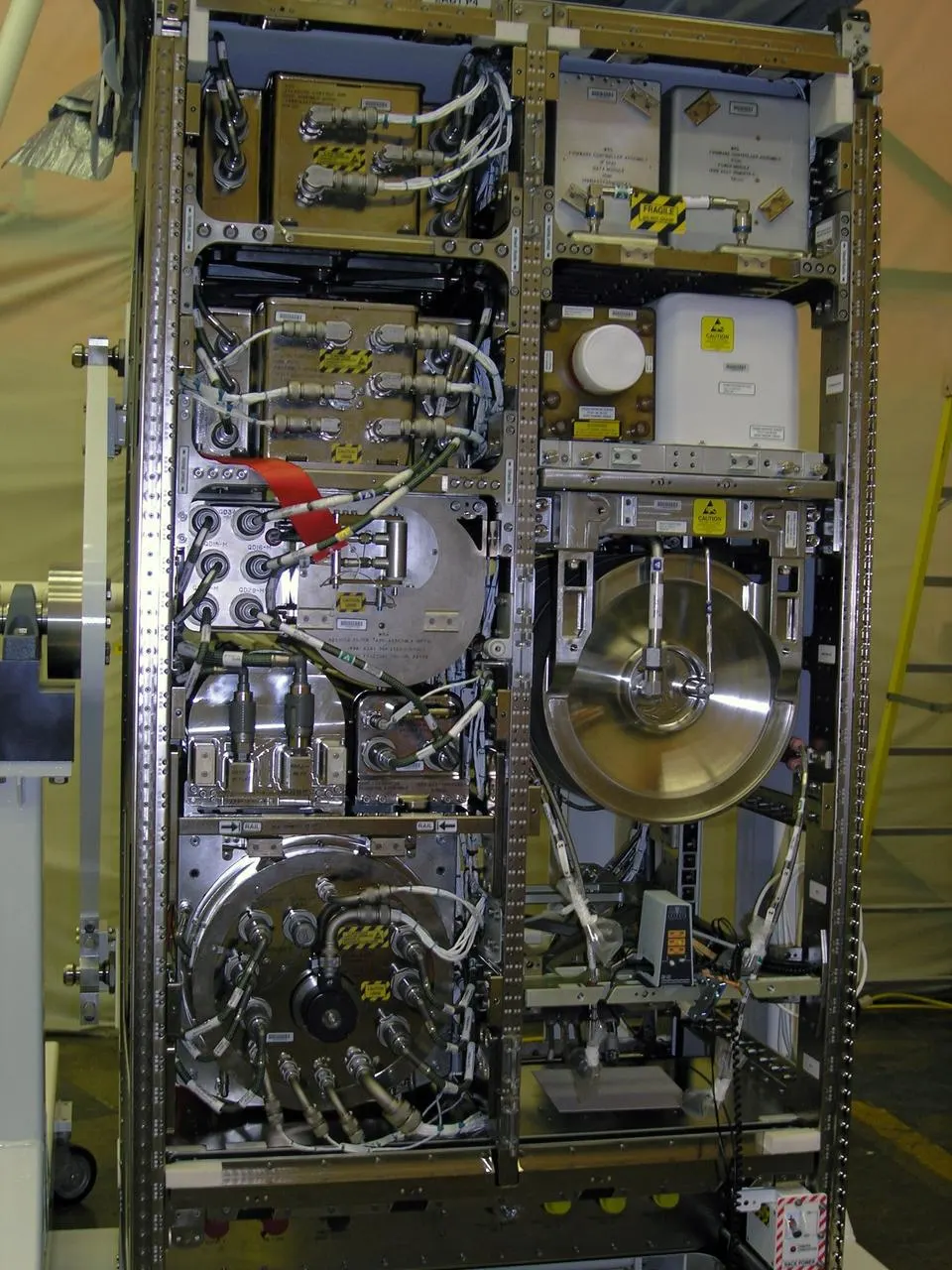
NASA/Kennedy Space Center image KSC-08pd3209, Water Recovery System rack 2 prepared for delivery to the ISS on STS-126 in 2008. Source: https://images-assets.nasa.gov/image/KSC-08pd3209/KSC-08pd3209~medium.jpg. NASA credit; public-domain U.S. federal work. This shows the flight hardware before launch.
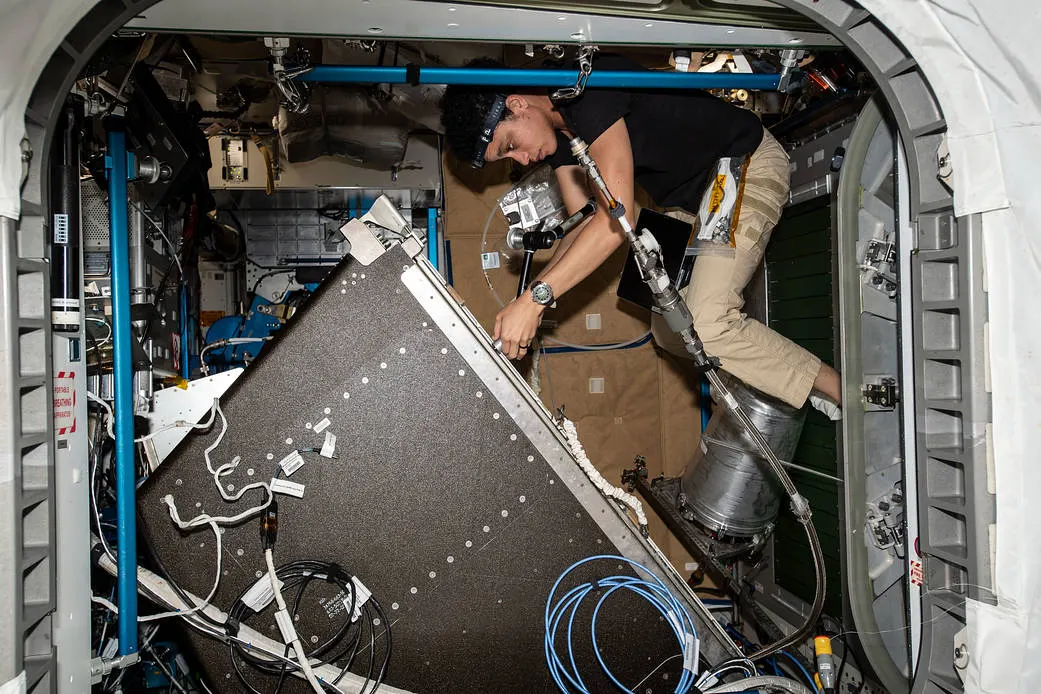
NASA image ISS067E099373, astronaut Jessica Watkins servicing the Water Recovery System rack inside the ISS on 1 June 2022. Source: https://www.nasa.gov/image-article/astronaut-jessica-watkins-services-life-support-components/. NASA credit; public-domain U.S. federal work.

NASA/Kennedy Space Center image KSC-08pd3209, Water Recovery System rack 2 prepared for delivery to the ISS on STS-126 in 2008. Source: https://images-assets.nasa.gov/image/KSC-08pd3209/KSC-08pd3209~medium.jpg. NASA credit; public-domain U.S. federal work. This shows the flight hardware before launch.

Listen to fact0:00 / —

Aboard the International Space Station, the water system collects urine and moisture condensed from crew breath and perspiration. Specialized units separate, filter, and purify the water; sensors check its quality, and water that fails the checks is processed again. After treatment, the water returns to the supply for drinking, food preparation, and hygiene—it is processed water, not untreated waste. Microgravity makes ordinary washing difficult: water does not drain downward and can float through the cabin as droplets, so the crew uses wet wipes and products that do not need rinsing.