WattSearch
Your WattLeaderboard
Language
Autoplay narration
Appearance

Feedback

Have a question or an idea? Something not working? Send us a message.

What would you like to share?
Up to 3 files, 5 MB each, 12 MB total.
Or contact us directly

Direct contacts open a separate chat or email. Files attached here are not included.

arohalya@gmail.com
A little wonder, every day

Mars’s moons in Gulliver’s Travels
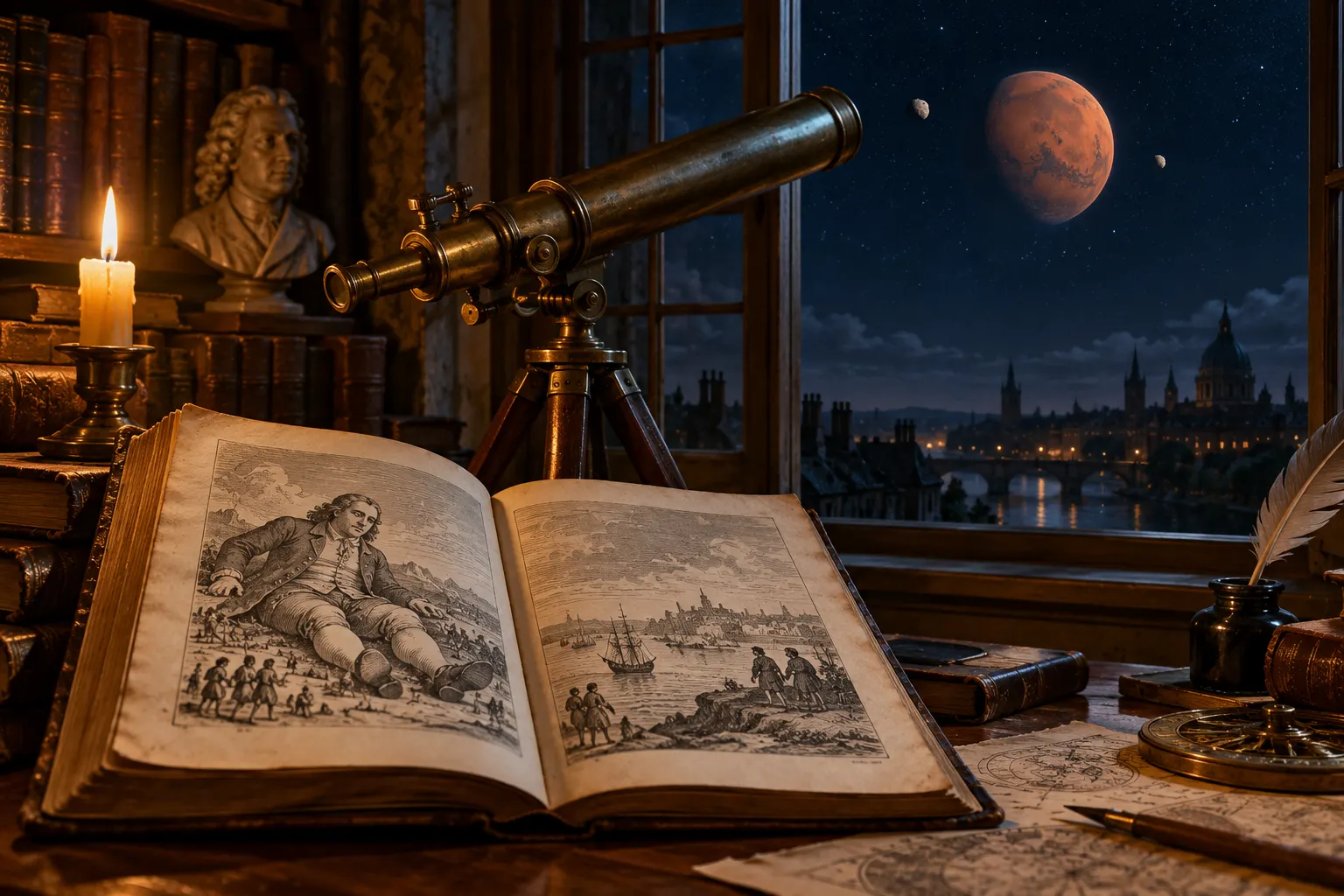
Титульна AI-згенерована ілюстрація / AI-generated cover illustration. An eighteenth-century book and telescope frame Mars and its two moons, evoking Swift’s fictional description.
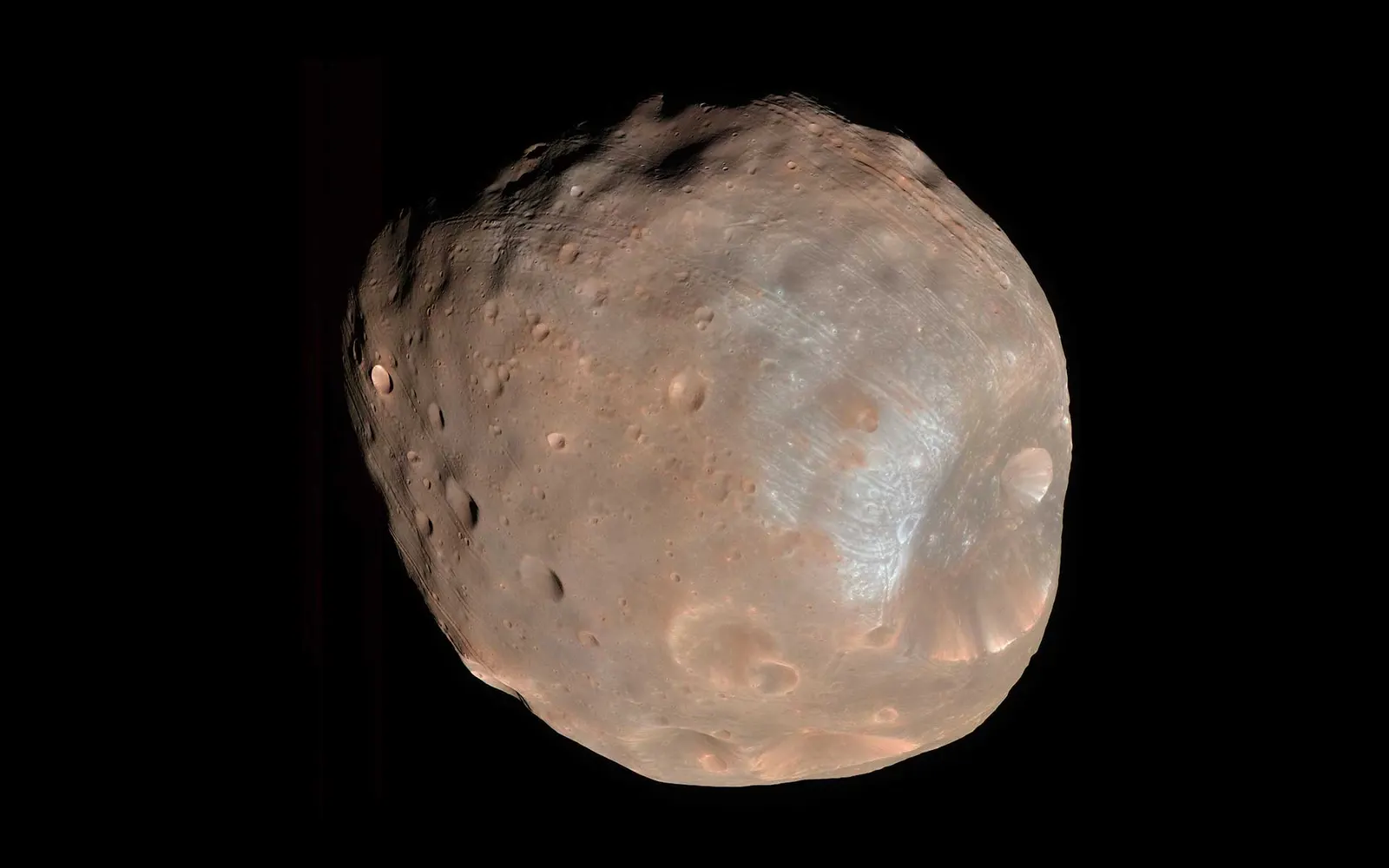
NASA image of Phobos; NASA’s Mars Reconnaissance Orbiter / HiRISE. NASA/JPL-Caltech/University of Arizona credit as indicated by the NASA image page. Original page: https://science.nasa.gov/mars/moons/ (Phobos image). NASA imagery is generally not copyrighted in the United States; retain stated credit and check third-party markings on the original page.
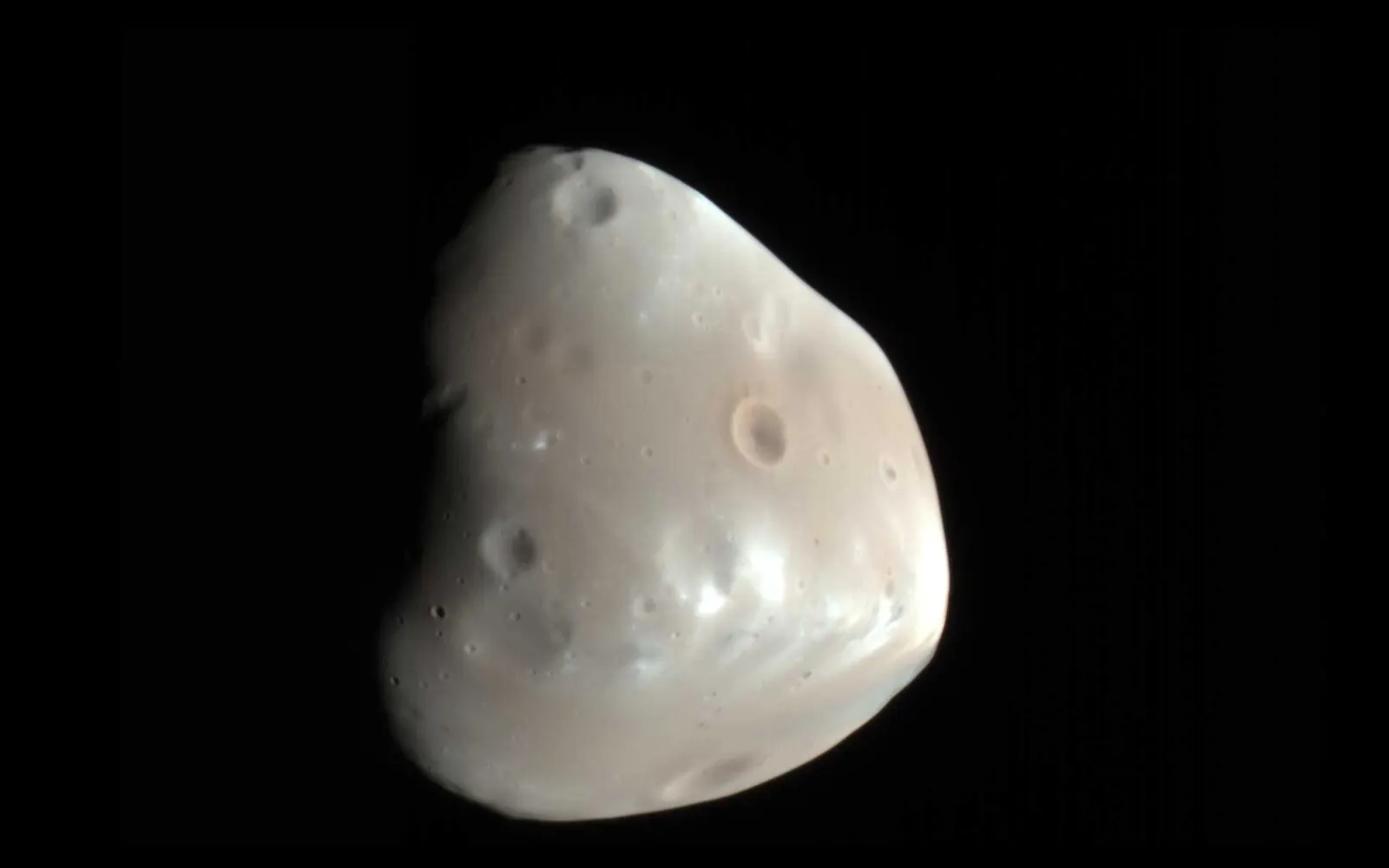
Color-enhanced NASA image of Deimos taken by HiRISE aboard Mars Reconnaissance Orbiter on 21 February 2009. Credit: NASA/JPL-Caltech/University of Arizona. Original: https://www.nasa.gov/image-article/mars-moon-deimos/; direct asset: https://science.nasa.gov/wp-content/uploads/2017/11/deimos-1920x1200-1.jpg.
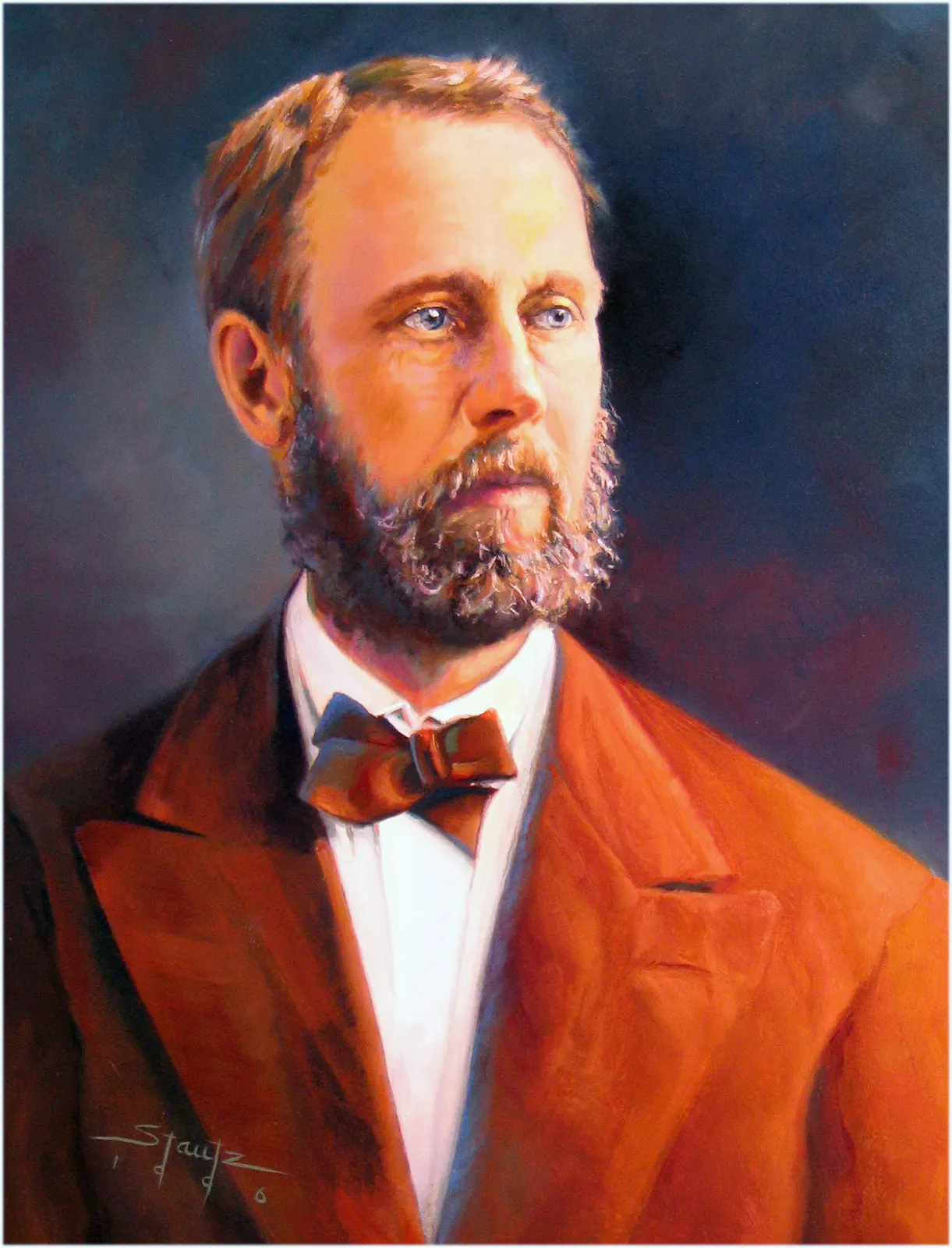
Oil portrait of astronomer Asaph Hall, discoverer of Phobos and Deimos. Source: U.S. Naval Observatory, https://www.usno.navy.mil/library/history/HallPortrait.jpg; file page: https://commons.wikimedia.org/wiki/File:HallPortrait.jpg. Public domain as a U.S. federal government work. Attribution requested: U.S. Naval Observatory. No edits.
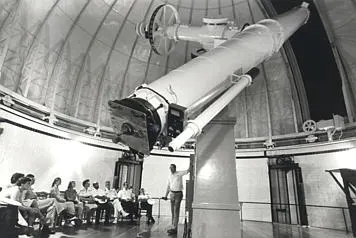
The U.S. Naval Observatory’s 26-inch “Great Equatorial” refracting telescope, from which Hall discovered Phobos and Deimos in August 1877. Creator: United States Naval Observatory. Public domain as a U.S. federal government work. File page: https://commons.wikimedia.org/wiki/File:USNO26in-2.jpg. Source: https://www.usno.navy.mil/USNO/about-us/the-26-inch-refractor. Credit: United States Naval Observatory. No edits.

Титульна AI-згенерована ілюстрація / AI-generated cover illustration. An eighteenth-century book and telescope frame Mars and its two moons, evoking Swift’s fictional description.

Listen to fact0:00 / —

In Jonathan Swift’s *Gulliver’s Travels*, published in 1726, the astronomers of the imaginary island of Laputa describe two moons of Mars. The real moons, Phobos and Deimos, were not discovered until 1877, about 151 years later. But Swift’s figures were not an accurate prediction: the novel gives orbital periods of 10 and 21.5 hours, while the modern values are about 7.66 and 30.3 hours. [1–3]