WattSearch
Your WattLeaderboard
Language
Autoplay narration
Appearance

Feedback

Have a question or an idea? Something not working? Send us a message.

What would you like to share?
Up to 3 files, 5 MB each, 12 MB total.
Or contact us directly

Direct contacts open a separate chat or email. Files attached here are not included.

arohalya@gmail.com
A little wonder, every day

How concrete was raised in the Burj Khalifa
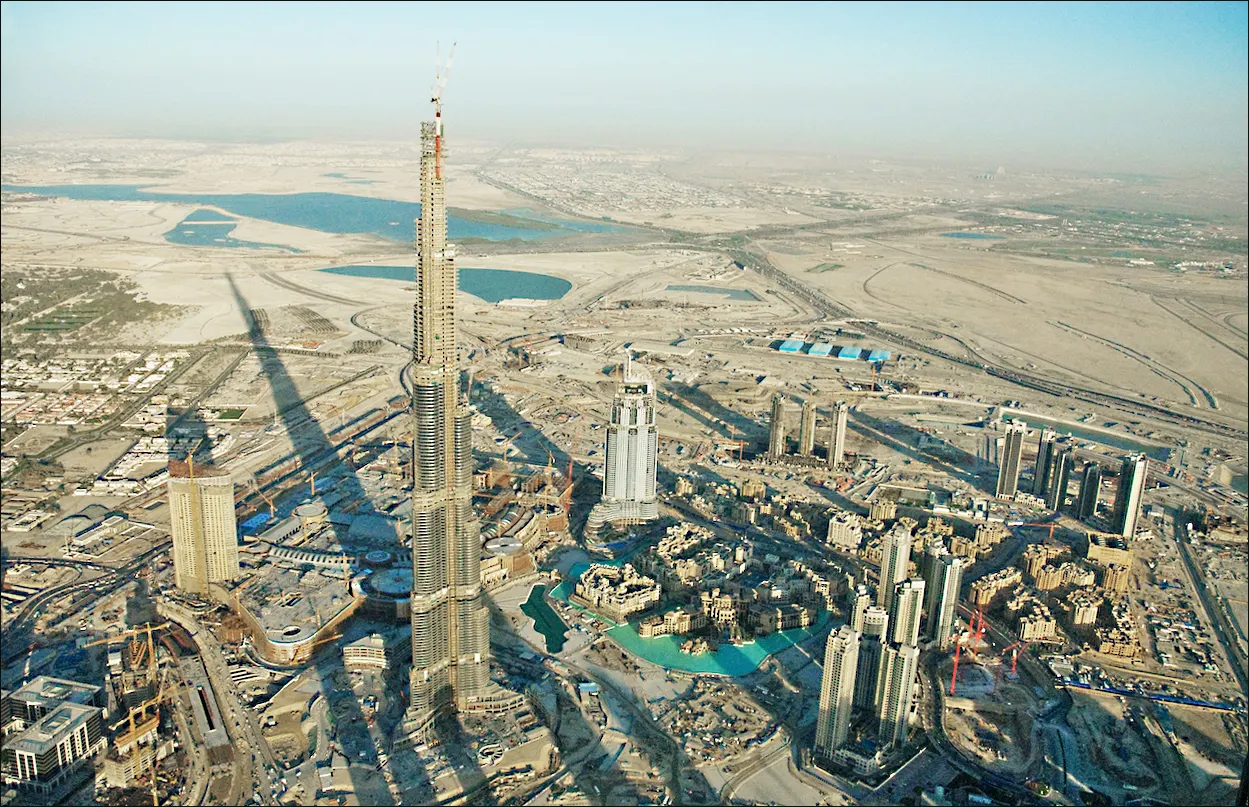
Documentary aerial photo of Burj Khalifa under construction in 2008. Creator: Aheilner. Wikimedia Commons, CC BY-SA 4.0; unaltered. Credit Aheilner, link to license, note no changes. https://commons.wikimedia.org/wiki/File:La_tour_Burj_Khalifa_en_construction_en_2008.jpg
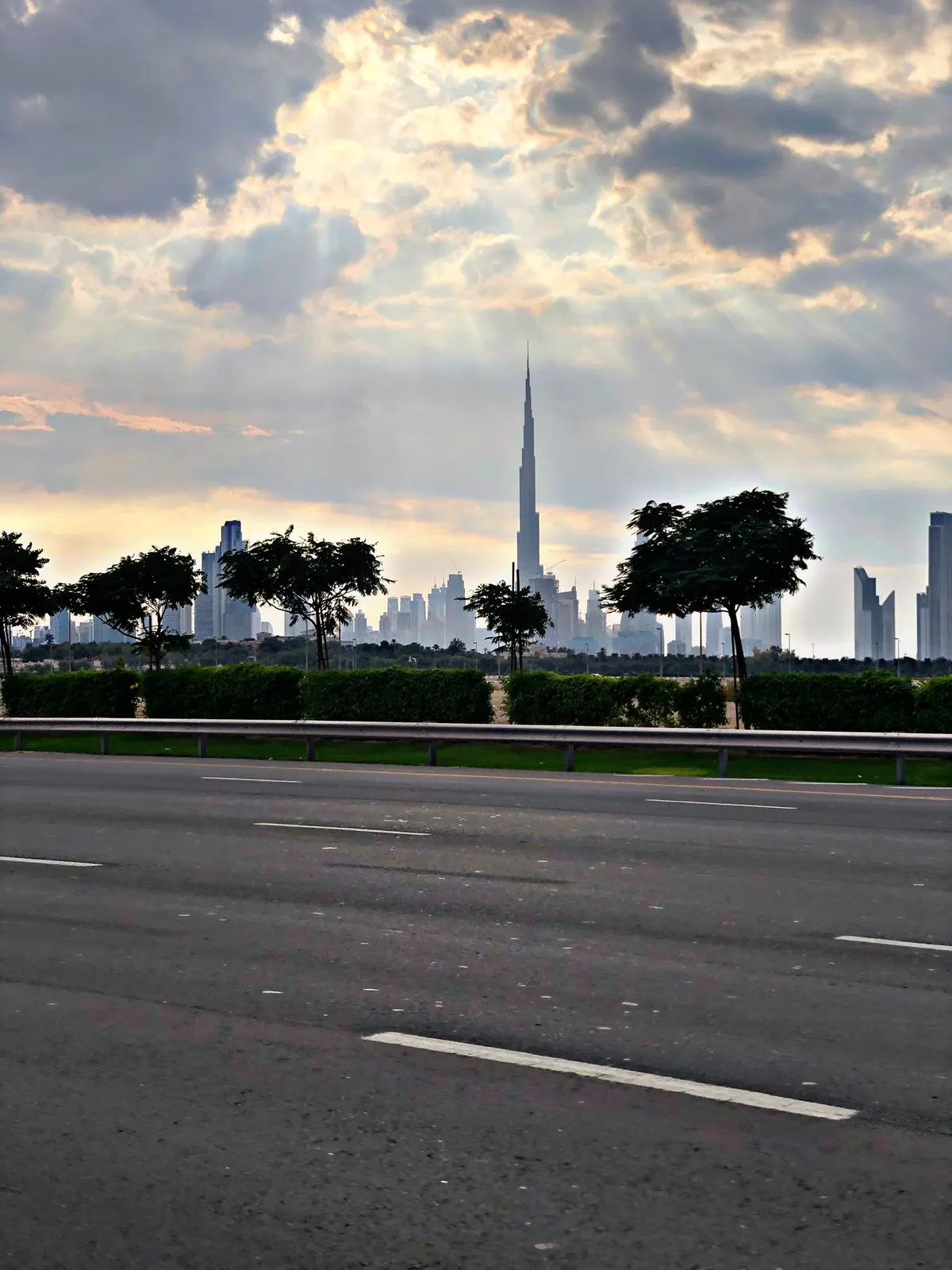
Documentary photograph of the completed Burj Khalifa from Dubai. Creator: Nihad Nitz. Wikimedia Commons, CC BY-SA 4.0; unaltered. Credit Nihad Nitz, link to license, note no changes. https://commons.wikimedia.org/wiki/File:Burj_Khalifa_-_Dubai.jpg

Documentary aerial photo of Burj Khalifa under construction in 2008. Creator: Aheilner. Wikimedia Commons, CC BY-SA 4.0; unaltered. Credit Aheilner, link to license, note no changes. https://commons.wikimedia.org/wiki/File:La_tour_Burj_Khalifa_en_construction_en_2008.jpg

Listen to fact0:00 / —

During the hot months of the Burj Khalifa’s construction, concrete was poured mainly at night, and some of the mix water was replaced with flaked ice to lower the concrete’s temperature. A carefully designed high-performance concrete and pumping system made it possible to raise concrete more than 600 meters. Emaar says 330,000 cubic meters of concrete were used in the tower overall; that is the total volume, not the amount all pumped to record height. The Burj Khalifa was officially inaugurated on 4 January 2010.