WattSearch
Your WattLeaderboard
Language
Autoplay narration
Appearance

Feedback

Have a question or an idea? Something not working? Send us a message.

What would you like to share?
Up to 3 files, 5 MB each, 12 MB total.
Or contact us directly

Direct contacts open a separate chat or email. Files attached here are not included.

arohalya@gmail.com
A little wonder, every day

The white latex of spurges
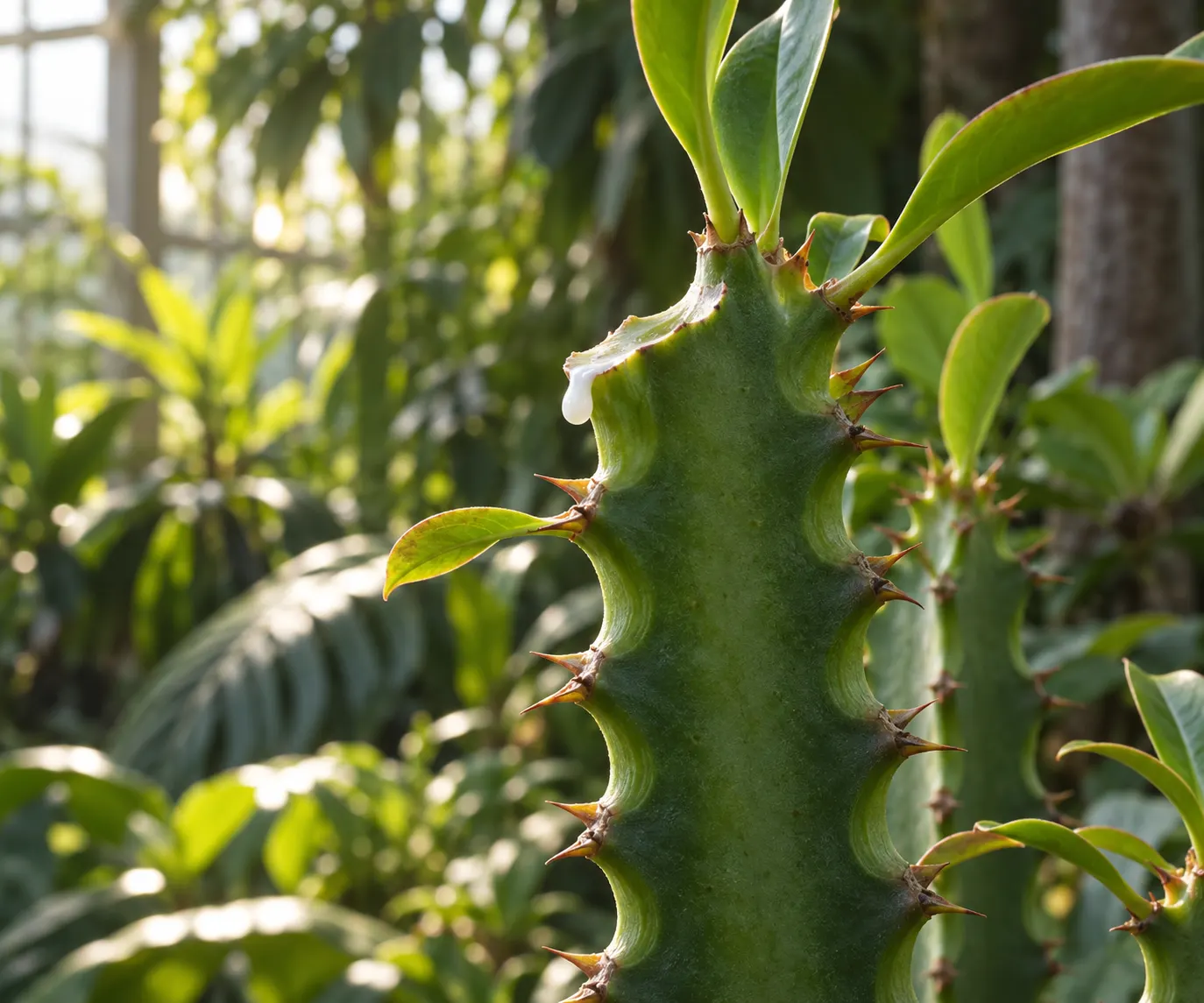
AI-generated cover illustration of a spurge-like stem with a bead of milky latex in a greenhouse; generic, not an identified species.
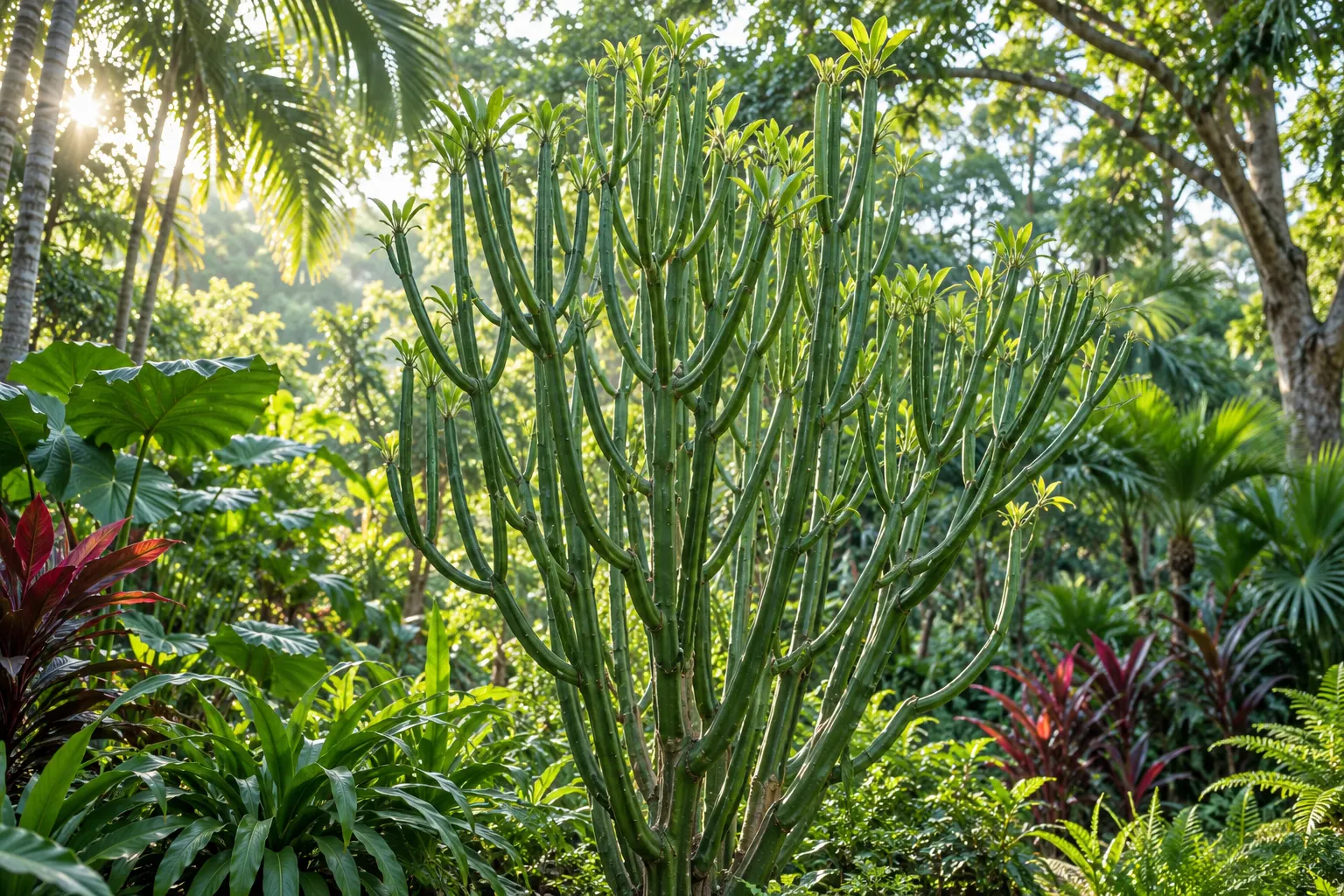
AI-generated wide view of a branching pencil-like spurge shrub in a tropical garden; generic, not a precise species identification.
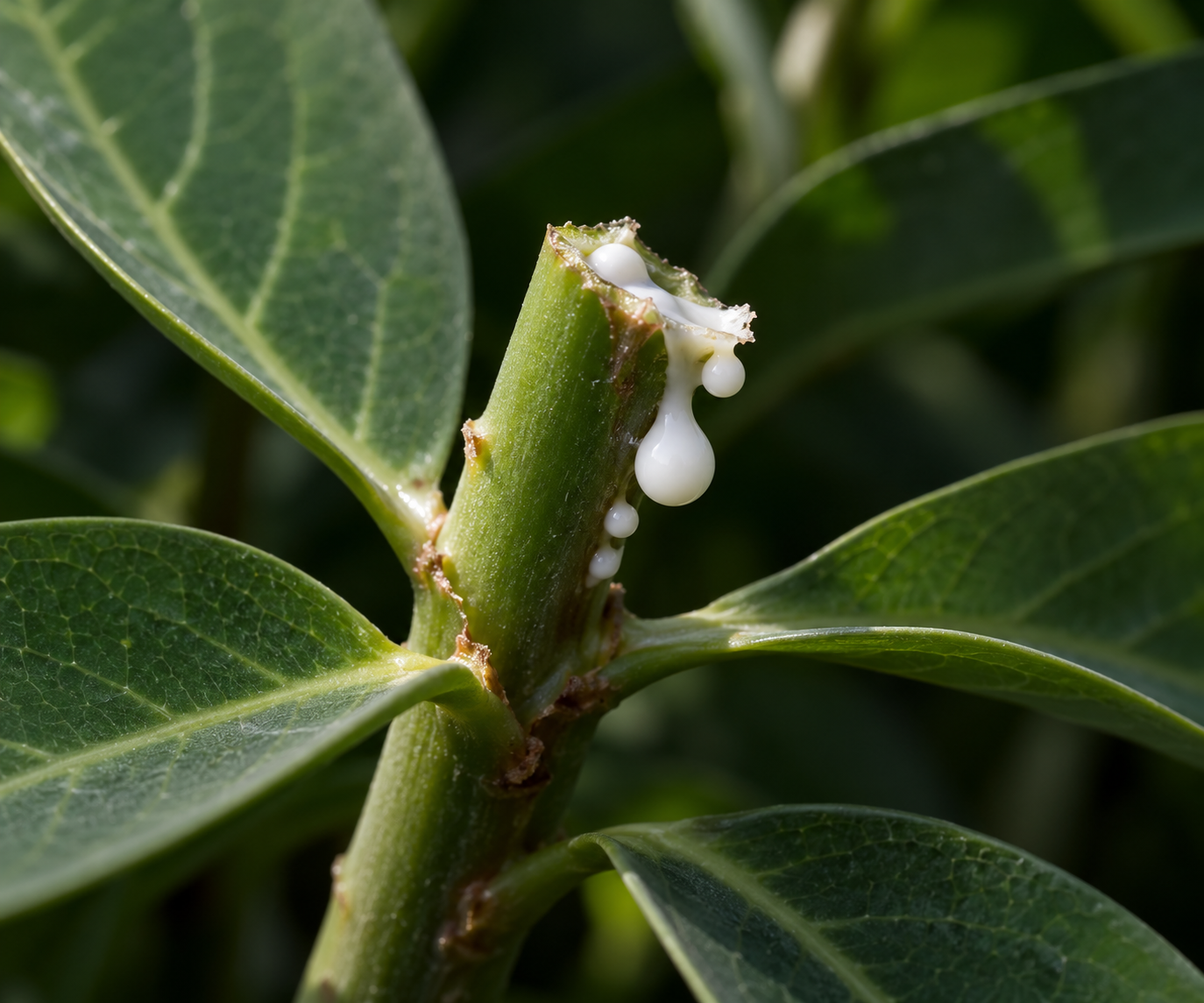
AI-generated macro view of white latex on a freshly damaged generic green stem; not an actual toxicology specimen.
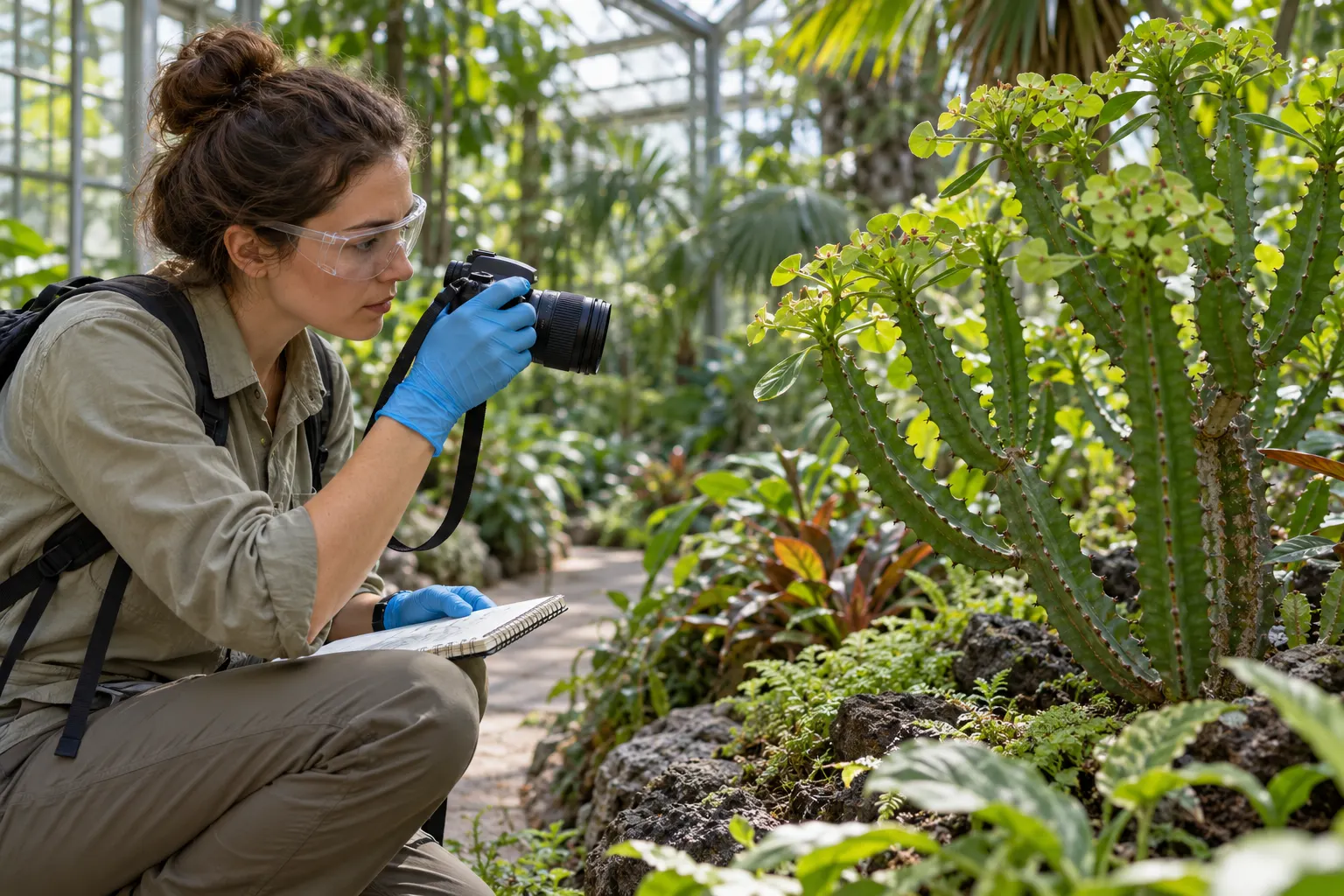
AI-generated scene of a protected botanist photographing a spurge-like plant in a greenhouse; an illustrative reconstruction, not a real person or specimen.
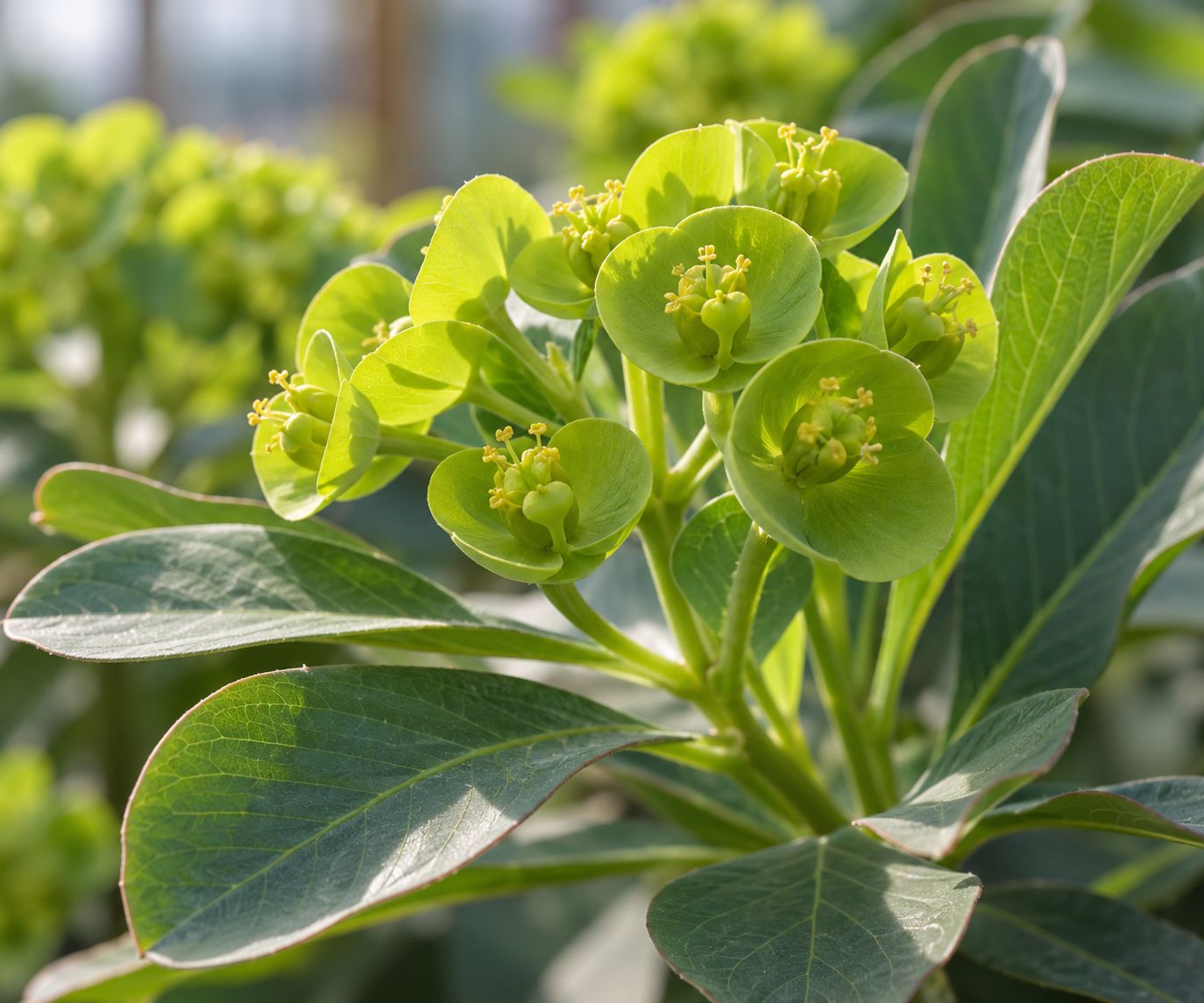
AI-generated botanical macro of generic euphorbia-like flower clusters; does not depict latex or establish a species.

AI-generated cover illustration of a spurge-like stem with a bead of milky latex in a greenhouse; generic, not an identified species.

Listen to fact0:00 / —

When a spurge is damaged, it may release white, milk-like latex—sometimes figuratively called “white blood.” In many species, the sap irritates skin and eyes; the latex of pencil tree (Euphorbia tirucalli) can cause intense burning and blisters on skin, and serious eye injury. The hazard depends on the species and the type of exposure. [1, 2, 3]