WattSearch
Your WattLeaderboard
Language
Autoplay narration
Appearance

Feedback

Have a question or an idea? Something not working? Send us a message.

What would you like to share?
Up to 3 files, 5 MB each, 12 MB total.
Or contact us directly

Direct contacts open a separate chat or email. Files attached here are not included.

arohalya@gmail.com
A little wonder, every day

Caries-removal gel: an aid with limits
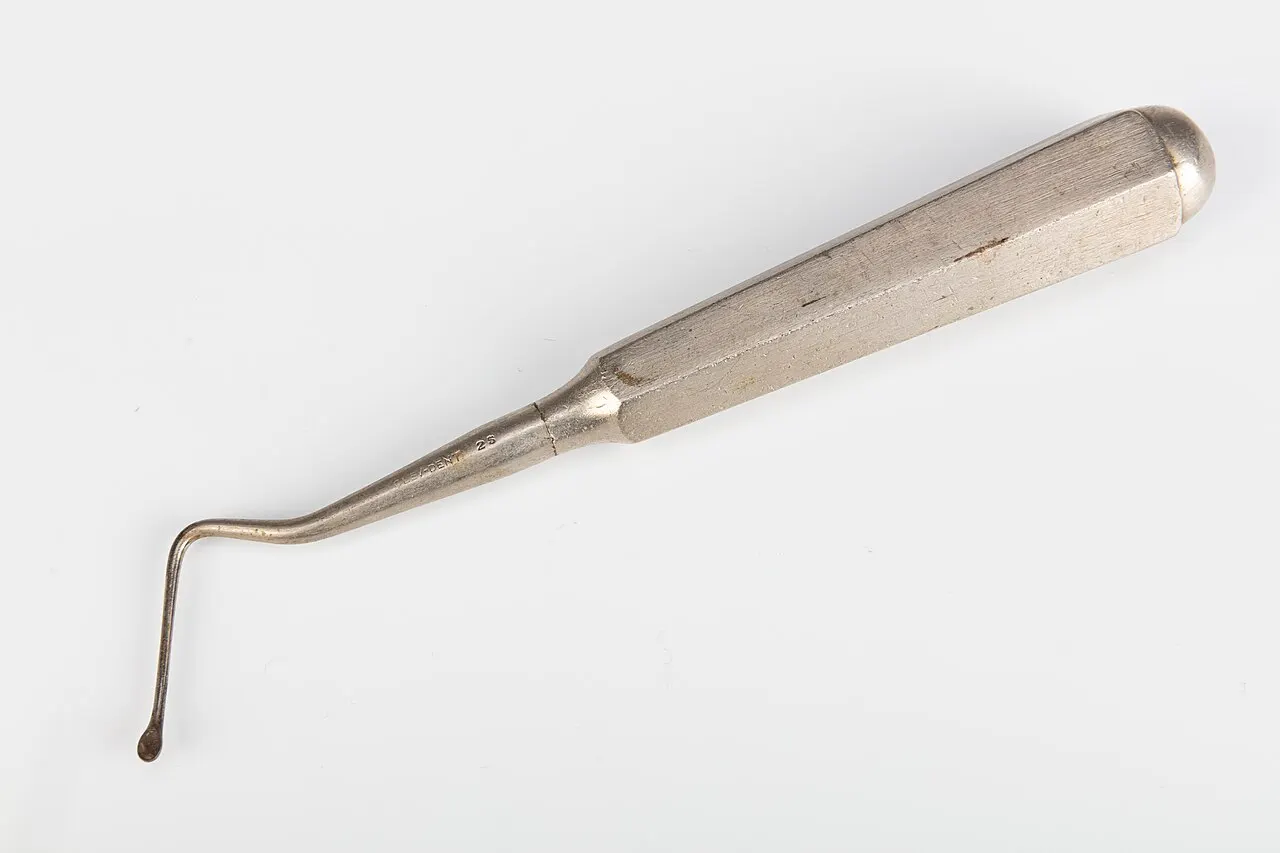
Історичний стоматологічний ложкоподібний екскаватор із музейної колекції; приклад ручного інструмента, не конкретний інструмент дослідження Brix3000 / Historical museum dental spoon excavator; a manual-tool example, not the particular instrument used in the Brix3000 trial.
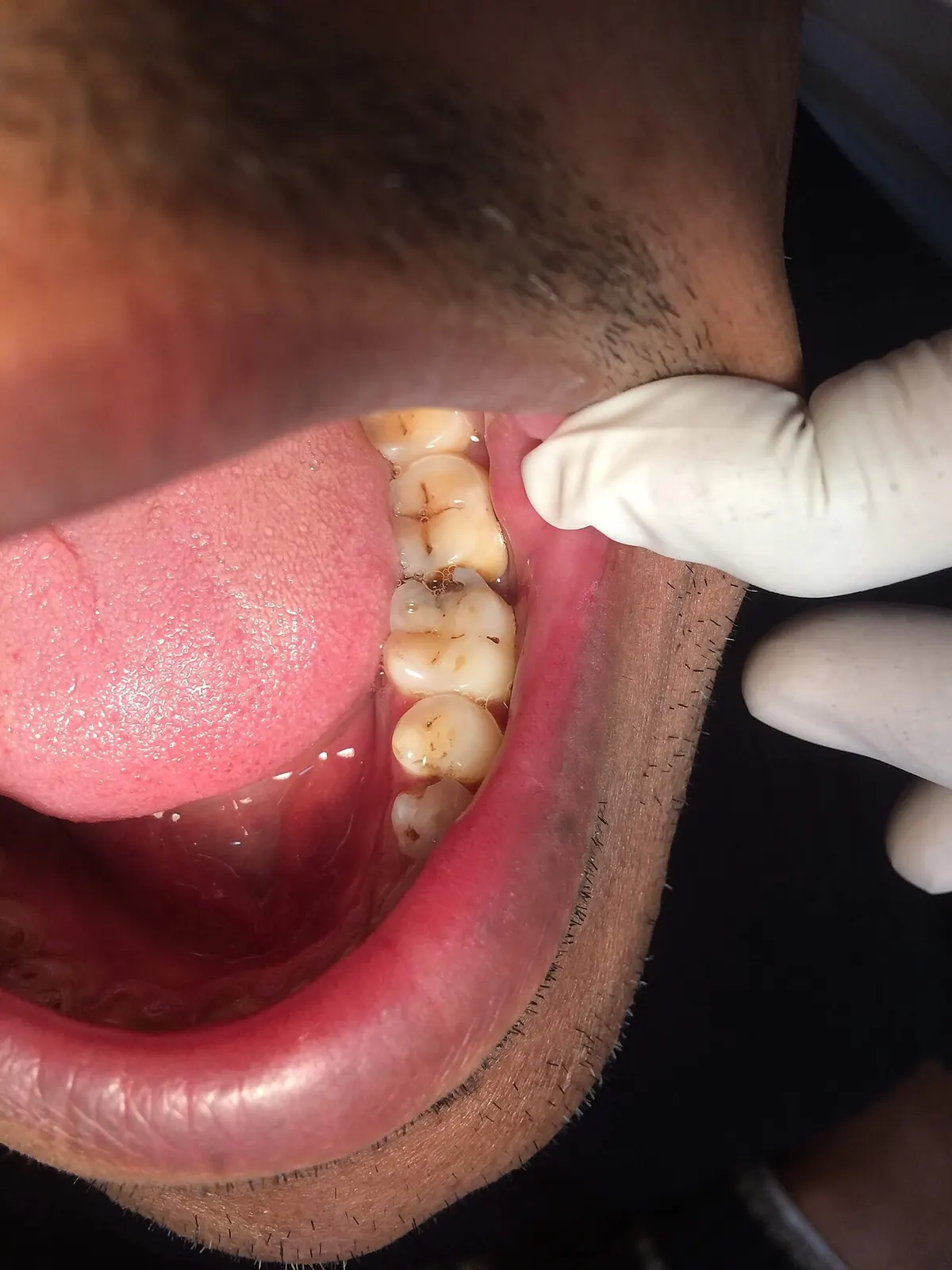
Документальне клінічне фото карієсу моляра; окремий ілюстративний випадок, не учасник і не результат описаного випробування / Documentary clinical photograph of molar caries; a separate illustrative case, not a participant or outcome from the cited trial. Credit: Dr. Yogesh; CC BY-SA 4.0. https://creativecommons.org/licenses/by-sa/4.0 Source: https://commons.wikimedia.org/?curid=80952918

Історичний стоматологічний ложкоподібний екскаватор із музейної колекції; приклад ручного інструмента, не конкретний інструмент дослідження Brix3000 / Historical museum dental spoon excavator; a manual-tool example, not the particular instrument used in the Brix3000 trial.

Listen to fact0:00 / —

Brix3000 is a papain-enzyme gel used in chemomechanical removal of carious dentine. It helps soften affected tissue, which a dentist then removes with instruments before restoring the tooth. This does not mean the gel alone treats every cavity or that the procedure is always completely painless. In a preliminary randomized 2021 trial, adding the gel to manual atraumatic restorative treatment, ART, increased treatment time without showing a difference in pain or acceptability for children.