A little wonder, every day
313 and 380 mark different imperial policies
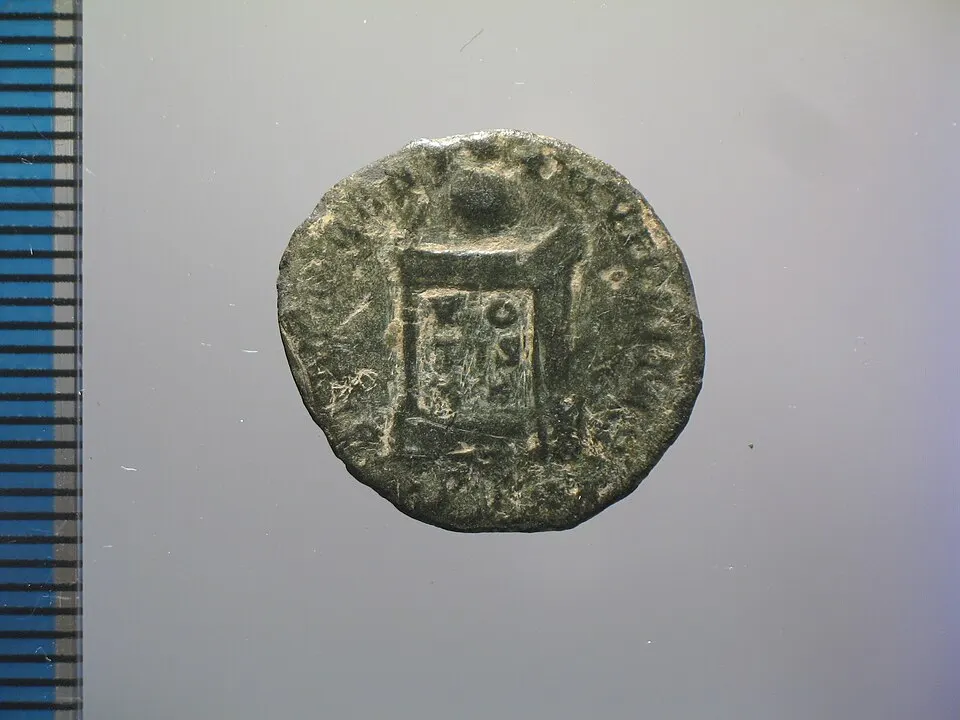
Справжня монета часу Костянтина I, реверс BEATA TRANQVILLITAS; не текст едикту313 року / Actual Constantine I coin, BEATA TRANQVILLITAS reverse; not the313 edict text. Credit: Vincent Drost, Vincent Drost, 2014-09-29 15:42:57; CC BY-SA 2.0. https://creativecommons.org/licenses/by-sa/2.0 Source: https://commons.wikimedia.org/?curid=55108362
Listen to fact0:00 / —
Constantine is associated with recognition of Christian worship freedom in 313, rather than making one Christian faith the empire’s mandatory religion then. The 380 edict of Theodosius I with his co-emperors established imperial normative support for Nicene teaching. Toleration, a ruler’s patronage and a binding state norm were different steps in a long process.