WattSearch
Your WattLeaderboard
Language
Autoplay narration
Appearance

Feedback

Have a question or an idea? Something not working? Send us a message.

What would you like to share?
Up to 3 files, 5 MB each, 12 MB total.
Or contact us directly

Direct contacts open a separate chat or email. Files attached here are not included.

arohalya@gmail.com
A little wonder, every day

Le Guin argued for science fiction and fantasy as literature

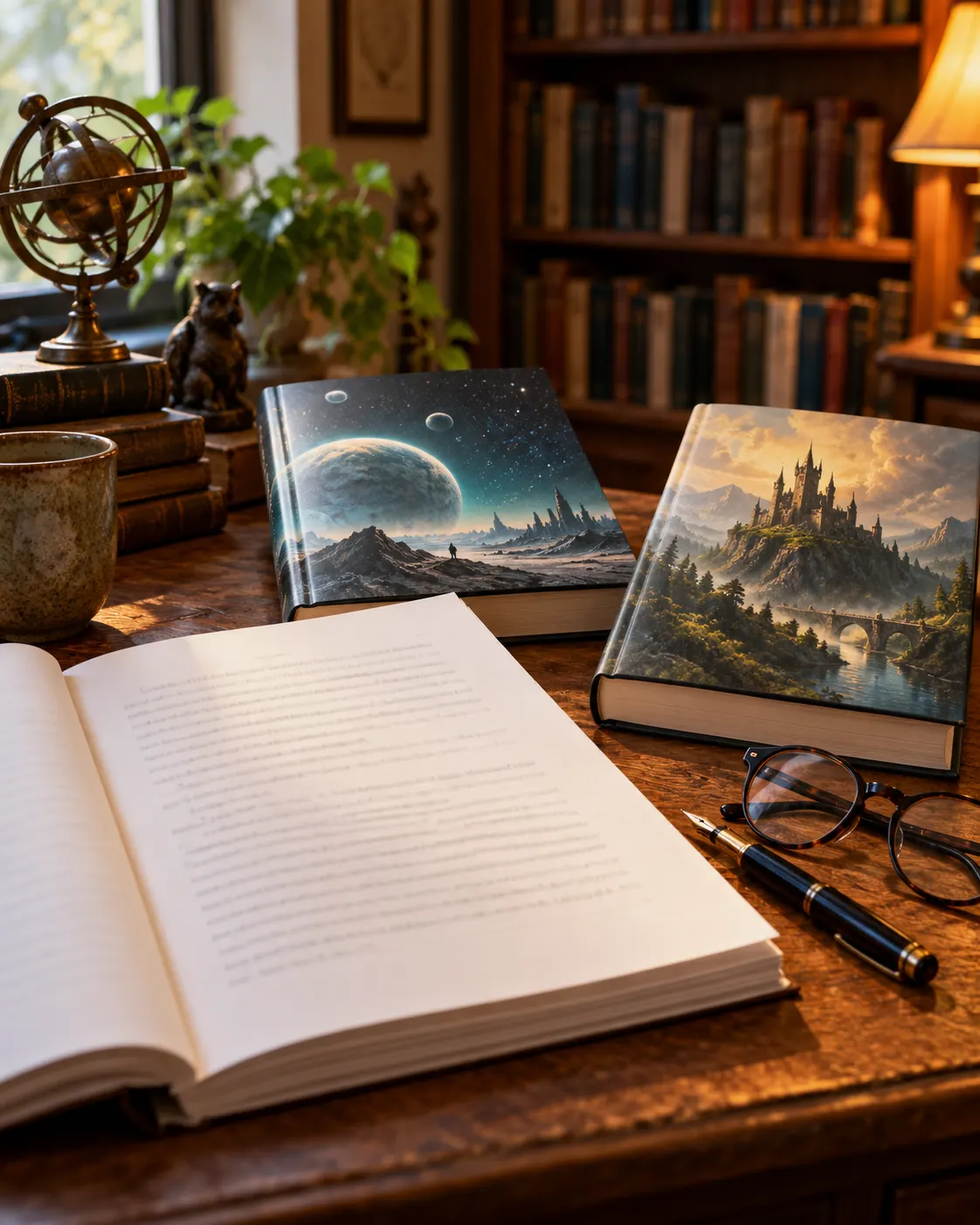
Титульна AI-згенерована ілюстрація / AI-generated cover illustration. Generic speculative-fiction books, a globe, telescope, and manuscript evoke Le Guin’s argument that such writing can explore human experience.
AI-generated fictional reading group discussing books, evoking a wider literary conversation.
AI-generated writing desk with a globe, telescope, and generic speculative book, evoking imaginative literature’s range.
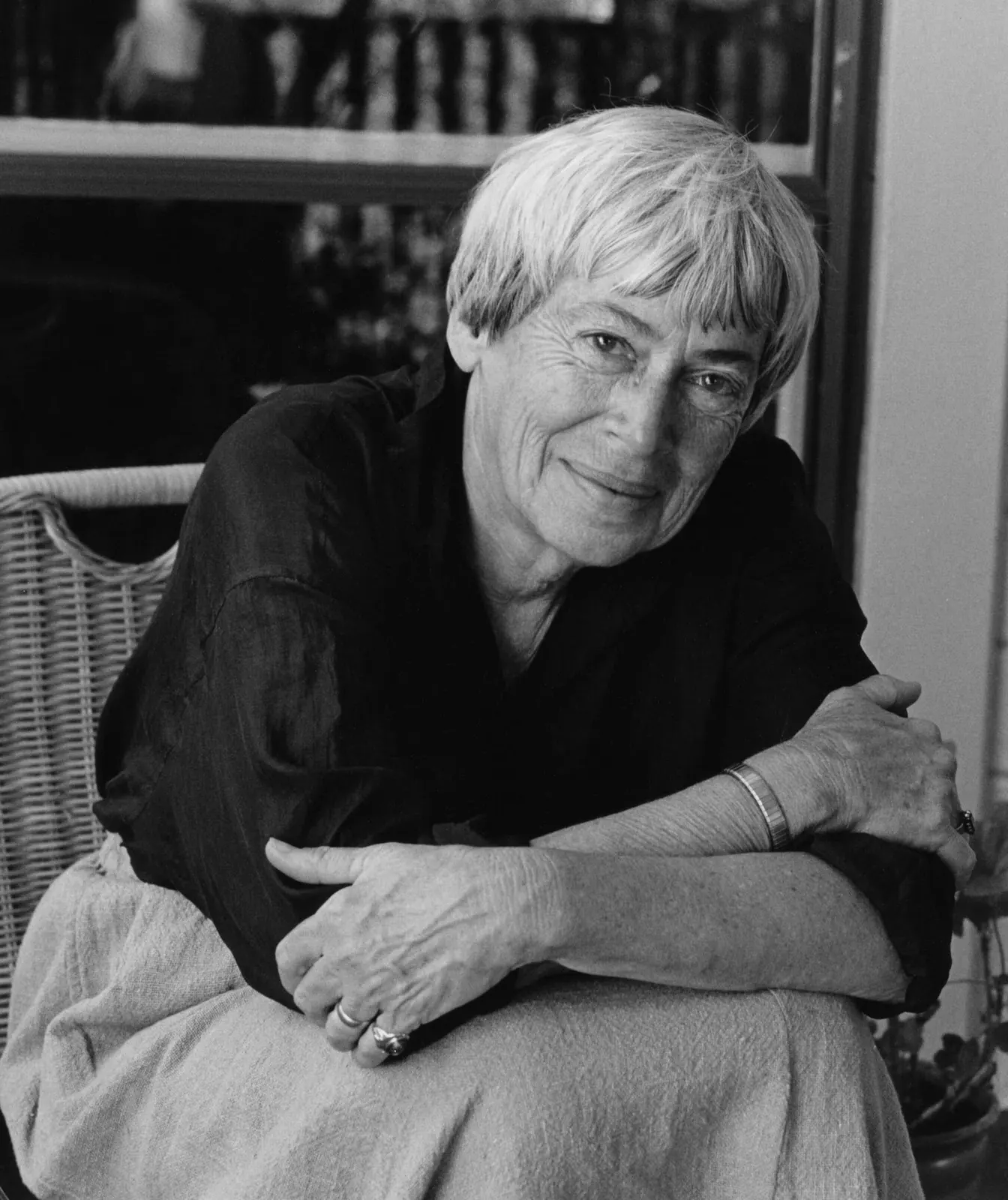
оптимізовано з `media/ursula-le-guin-portrait-1995.jpg`: 1593×1896 px (половина початкової ширини й висоти), JPEG quality 82.
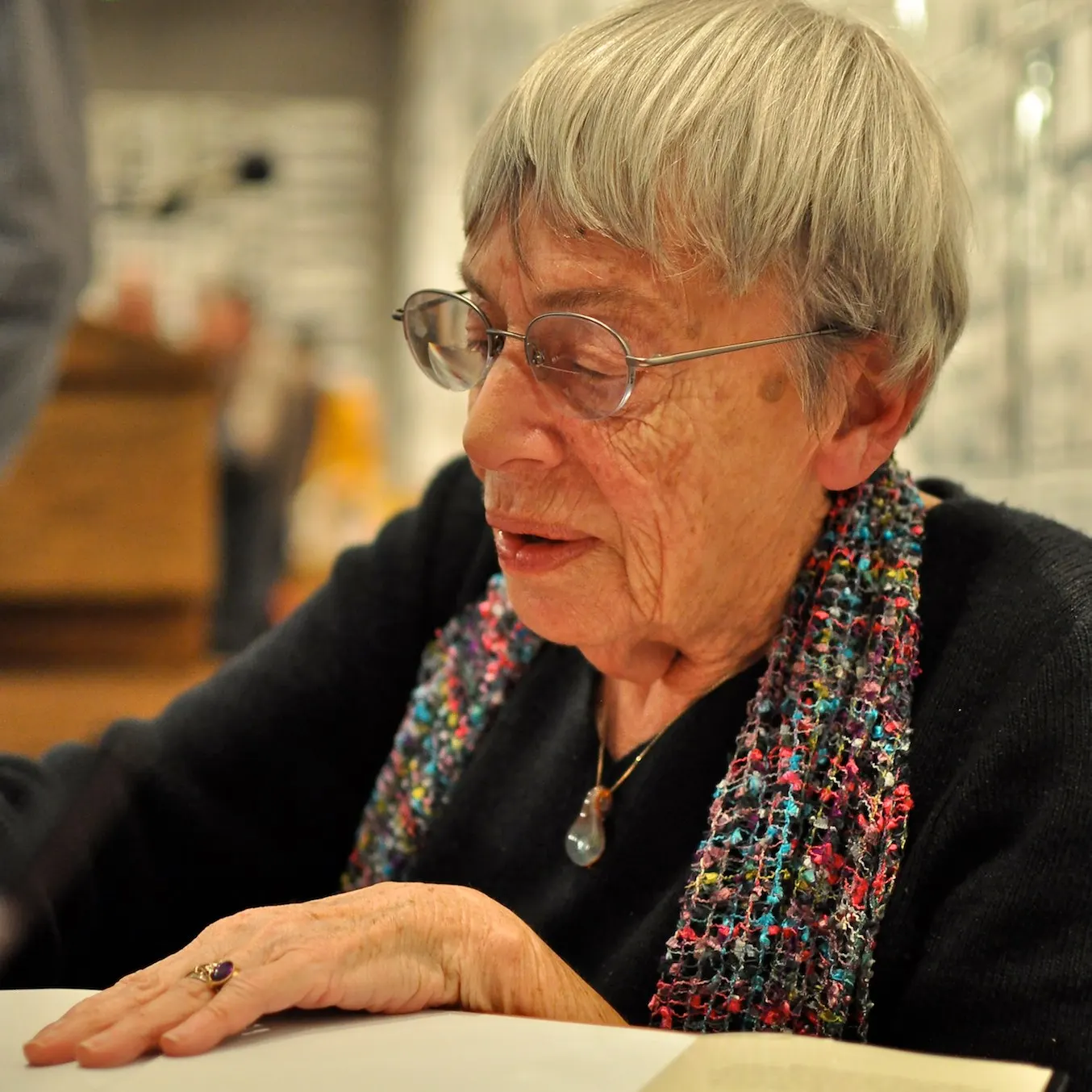
documentary photo of Le Guin signing a book on 6 January 2013, photographer K. Kendall; CC BY 2.0. Attribution: “K. Kendall / Wikimedia Commons / CC BY 2.0”; no edits. Original page: https://commons.wikimedia.org/wiki/File:Ursula_Le_Guin.jpg. Inspected locally.

Титульна AI-згенерована ілюстрація / AI-generated cover illustration. Generic speculative-fiction books, a globe, telescope, and manuscript evoke Le Guin’s argument that such writing can explore human experience.

Listen to fact0:00 / —

Ursula K. Le Guin defended science fiction and fantasy against the idea that they were “lesser” forms of literature. In her essays, she argued that speculative genres can be serious ways to explore human experience and urged writers to move beyond genre isolation and engage with wider literary culture. She also became an important feminist voice in speculative fiction, while remaining part of a broader movement of women writers and critics rather than its sole first representative.